
Dog owners know the frustration of coming home to find a favorite shoe destroyed, a couch leg gnawed beyond repair, or electrical cords chewed into hazardous confetti. While chewing is a natural behavior—especially in puppies—it becomes problematic when it targets household items. The key isn't to eliminate chewing altogether but to redirect it appropriately. With consistency, understanding, and the right techniques, you can curb destructive chewing and safeguard your possessions without compromising your dog’s well-being.
Understand Why Dogs Chew
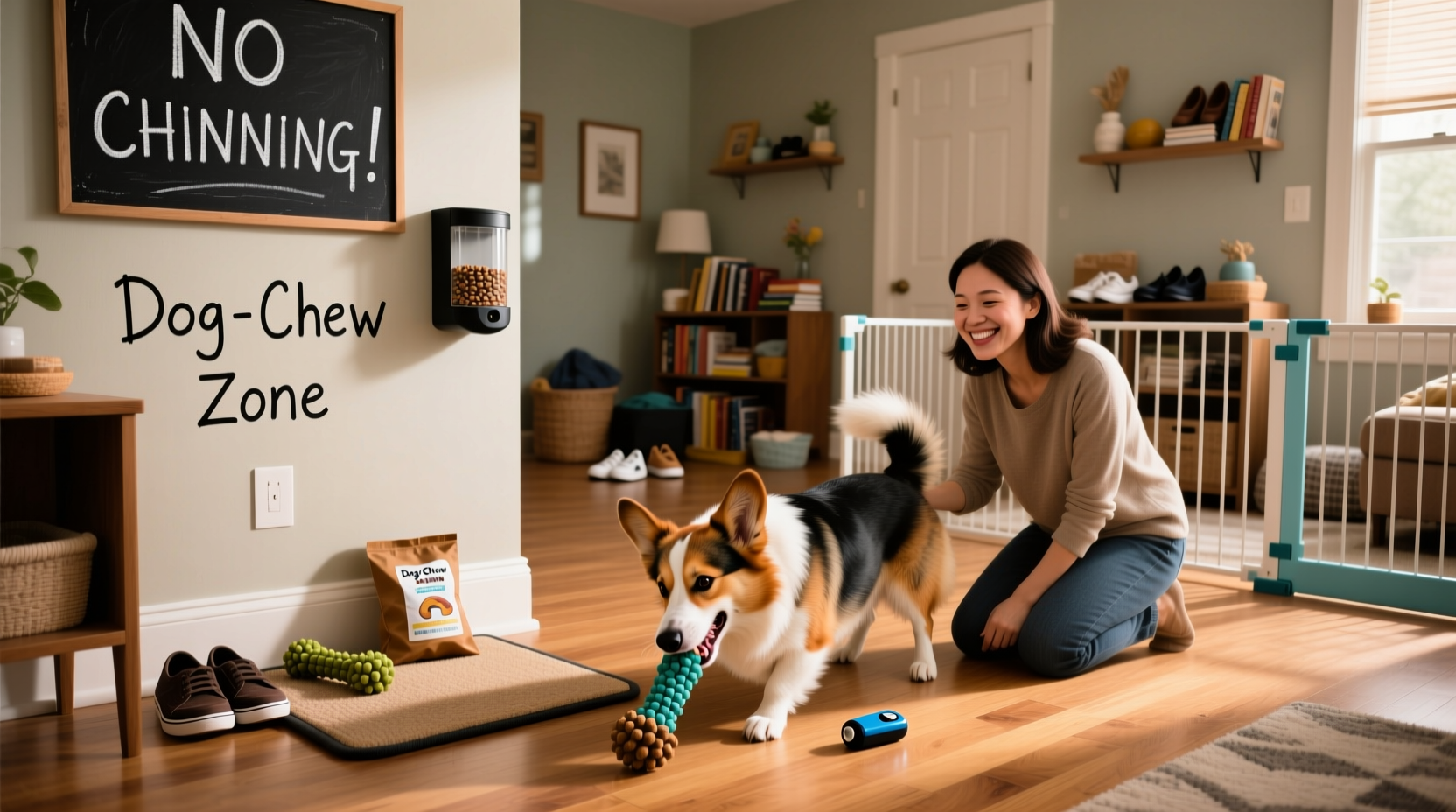
Before implementing solutions, it's essential to recognize why dogs chew. For puppies, teething between 3 and 6 months causes discomfort, prompting them to chew on objects to relieve gum pressure. Adult dogs may chew due to boredom, anxiety, lack of exercise, or insufficient mental stimulation. In some cases, chewing signals underlying stress or separation anxiety.
Ignoring the root cause leads to temporary fixes at best. A dog left alone for eight hours with no toys or activity will likely chew out of frustration—not malice. Addressing the motivation behind the behavior ensures long-term success.
Tip: Observe when and where chewing occurs. Is it during alone time? After meals? This helps identify patterns tied to anxiety or excess energy.Provide Appropriate Chew Alternatives
The most effective way to protect your belongings is to offer acceptable substitutes. Dogs need to chew—it’s instinctive. The goal is to guide that instinct toward designated items.
Select durable, safe chew toys made from rubber, nylon, or dental-friendly materials. Avoid toys that resemble household items (e.g., rope toys that look like shoelaces). Rotate toys weekly to maintain novelty and interest.
Stuffed puzzle toys, such as Kongs filled with frozen peanut butter (xylitol-free), can keep dogs occupied for extended periods. These not only satisfy the urge to chew but also provide mental enrichment.
“Redirecting chewing behavior starts with giving dogs better options. When a dog has access to engaging, satisfying chew toys, they’re far less likely to seek out inappropriate items.” — Dr. Karen Becker, Integrative Veterinarian
Manage the Environment: Prevent Access
You cannot train a dog not to chew something if it’s constantly within reach. Environmental management is one of the most underrated yet powerful tools in preventing destructive behavior.
Use baby gates to restrict access to high-risk areas like living rooms with leather furniture or home offices with cords. Store shoes, bags, and electronics in closed closets or cabinets. Use cord protectors or tuck power strips behind furniture.
Crating your dog when unsupervised is not punishment—it’s a safety measure. A properly sized crate with chew toys and a soft bed creates a den-like space where dogs feel secure. Never use the crate as a long-term confinement tool; it should complement, not replace, training and exercise.
Do’s and Don’ts of Environmental Management
| Do | Don’t |
|---|---|
| Rotate chew toys regularly | Leave tempting items within reach |
| Use bitter-tasting sprays on off-limits objects | Rely solely on verbal corrections |
| Supervise closely during early training phases | Assume your dog “knows better” after one lesson |
| Use crates or pens when away | Punish after the fact—dogs won’t connect action to consequence |
Train with Positive Reinforcement
Training must be proactive, not reactive. When you catch your dog chewing an approved toy, praise and reward immediately. This reinforces the desired behavior. If you find your dog starting to chew a forbidden object, calmly interrupt with a neutral sound (“eh-eh”), remove the item, and replace it with an appropriate chew toy. Reward the switch.
Avoid yelling or physical punishment. These methods increase fear and anxiety, potentially worsening destructive behaviors. Instead, focus on rewarding what you want to see more of.
Teach commands like “leave it” and “drop it” using high-value treats. Practice daily in low-distraction environments before progressing to real-world scenarios. These cues become invaluable when your dog picks up something dangerous or valuable.
Step-by-Step Guide: Redirect Chewing Behavior
- Identify triggers: Note when and where chewing happens (e.g., when alone, during storms).
- Remove temptations: Secure shoes, cords, and furniture legs.
- Introduce alternatives: Offer 2–3 durable chew toys in accessible locations.
- Encourage use: Rub toys with tasty, pet-safe pastes or freeze treats inside.
- Reinforce positive choices: Praise and treat when your dog selects the right item.
- Gradually expand freedom: Only allow access to new areas once consistent good behavior is established.
Address Underlying Behavioral Issues
If chewing persists despite environmental control and training, deeper issues may be at play. Separation anxiety, for example, often manifests through destructive chewing, especially around exits or personal items like clothing.
Signs include pacing, excessive drooling, whining when you prepare to leave, or destruction focused on doorframes and owner-scented objects. In these cases, behavioral modification under the guidance of a certified dog trainer or veterinary behaviorist is crucial.
Treatment may involve desensitization to departure cues (like picking up keys), counter-conditioning with food puzzles, and, in severe cases, short-term medication prescribed by a vet.
Tip: Record video of your dog when you're away. It reveals whether chewing is situational or part of broader anxiety.Mini Case Study: Max, the Terrier Mix
Max, a 10-month-old Jack Russell mix, was destroying baseboards and shoes within minutes of his owner leaving. Despite multiple chew toys, the behavior continued. A camera revealed Max became agitated as soon as the owner picked up her bag.
Working with a trainer, the owner began practicing “fake departures”—putting on her coat, picking up keys, then sitting down again—rewarding calm behavior. She also started feeding Max a stuffed Kong before leaving. Over six weeks, Max’s chewing decreased by 90%. Full resolution required consistent routine and gradual exposure, but the outcome transformed their daily life.
Frequently Asked Questions
How long does it take to stop a dog from chewing?
Most dogs show improvement within 2–4 weeks of consistent management and training. Puppies typically outgrow intense chewing by 8–10 months, though adult dogs may require longer if anxiety or habit is involved.
Are bitter sprays safe and effective?
Yes, when used correctly. Choose pet-safe sprays labeled for chewing deterrence. Test on a small area first to ensure no damage to surfaces. Reapply regularly, especially after cleaning. Combine with redirection for best results.
Can diet affect chewing behavior?
Indirectly, yes. Dogs lacking sufficient fiber or mental stimulation may chew more. Some dogs chew due to oral discomfort from poor dental health. Regular vet checkups help rule out medical causes.
Final Checklist: Stop Destructive Chewing for Good
- ✅ Identify the reason behind the chewing (teething, boredom, anxiety)
- ✅ Remove or secure tempting household items
- ✅ Provide multiple durable, varied chew toys
- ✅ Supervise closely and intervene early
- ✅ Use positive reinforcement when your dog chooses the right item
- ✅ Crate or confine safely when unsupervised
- ✅ Train “leave it” and “drop it” with rewards
- ✅ Consult a professional if anxiety is suspected
Take Action Today
Stopping destructive chewing isn’t about perfection—it’s about progress. Start tonight by removing one high-risk item and replacing it with a satisfying chew toy. Small, consistent actions build lasting change. Your dog isn’t trying to ruin your home; they’re responding to instinct and environment. With patience and structure, you can protect your belongings while nurturing a happier, healthier pet.
💬 Have a chewing success story or tip? Share your experience in the comments—your insight could help another dog owner turn chaos into calm.








