Cat spraying—when a cat deposits small amounts of urine on vertical surfaces—is a common but distressing behavior for pet owners. Unlike regular urination, spraying is a form of scent marking, often driven by stress, territorial instincts, or medical issues. Left unaddressed, it can compromise indoor air quality, damage furniture, and strain the human-animal bond. The good news is that with the right approach, most cases of indoor spraying can be resolved. Understanding the root cause and applying targeted interventions are key to restoring peace in your home.
Understanding Why Cats Spray
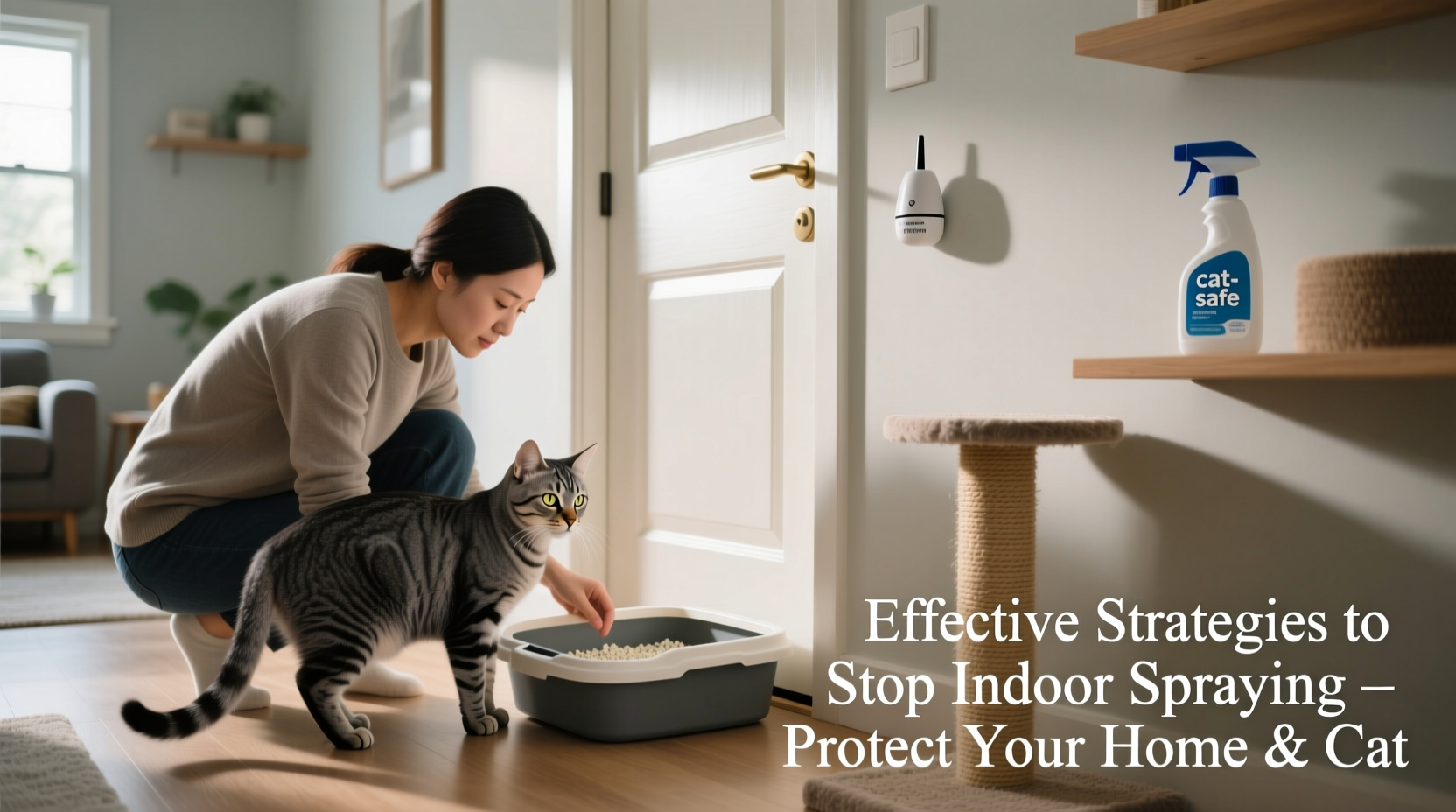
Spraying is not a random act of defiance. It's a communication method cats use to assert territory, respond to environmental changes, or express anxiety. While both male and female cats spray, unneutered males are the most frequent offenders due to heightened hormone levels. However, even spayed or neutered cats may spray under stress.
Common triggers include:
- New pets or people entering the household
- Changes in routine or environment (e.g., moving, renovations)
- Presence of outdoor cats visible through windows
- Multi-cat household tensions
- Medical conditions such as urinary tract infections or kidney disease
Before assuming behavioral causes, rule out health problems. A sudden onset of spraying in a previously clean cat warrants a veterinary visit. As Dr. Sarah Thompson, a feline behavior specialist at the American Association of Feline Practitioners, explains:
“Spraying is often the tip of the iceberg. Underlying pain or discomfort can manifest as inappropriate elimination. Always start with a vet check.” — Dr. Sarah Thompson, DVM, Feline Behavior Consultant
Immediate Steps to Address Spraying
When you catch your cat in the act or discover fresh spray marks, quick response is critical to prevent recurrence. Cats are more likely to re-spray areas they’ve marked before, especially if the odor remains detectable.
- Clean thoroughly with an enzymatic cleaner: Regular household cleaners mask odors but don’t break down the proteins in urine. Enzymatic cleaners like Nature’s Miracle or Urine Off digest organic compounds, eliminating the scent signal that invites re-marking.
- Avoid ammonia-based products: Ammonia smells similar to urine and may encourage further spraying.
- Block access to sprayed areas: Use furniture rearrangement, aluminum foil, or double-sided tape to deter your cat from returning to the site.
- Identify and remove stressors: If outdoor cats are visible, cover windows or use motion-activated deterrents outside.
Long-Term Behavioral and Environmental Solutions
Addressing the immediate mess is only half the battle. Lasting change requires modifying your cat’s environment and reducing psychological stressors.
Create a Secure, Enriched Environment
Cats thrive on predictability and control. In multi-cat homes, ensure each cat has its own resources—litter boxes, food bowls, resting spots—placed in separate zones to minimize competition.
Environmental enrichment plays a crucial role. Provide:
- Vertical spaces (cat trees, shelves)
- Scratching posts (a natural marking alternative)
- Interactive toys and daily play sessions
- Safe observation points (window perches)
Use Pheromone Therapy
Synthetic feline facial pheromones, such as those in Feliway diffusers, mimic the calming signals cats leave when they rub their faces on objects. These products help reduce anxiety and decrease the urge to mark.
Place diffusers in rooms where spraying occurs or in high-traffic areas. Studies show that consistent use over 4–6 weeks leads to improvement in up to 90% of cases when combined with other interventions.
Neutering and Medical Management
One of the most effective preventive measures is early neutering. Cats neutered before sexual maturity rarely develop spraying habits. For adult cats, neutering reduces spraying in approximately 87% of males and 95% of females, according to research published in the *Journal of the American Veterinary Medical Association*.
If medical causes are identified—such as cystitis or hormonal imbalances—treatment may involve antibiotics, dietary changes, or anti-anxiety medications prescribed by a veterinarian. Never administer medication without professional guidance.
| Cause | Signs | Solution |
|---|---|---|
| Stress from new pet | Spraying near entry points, hiding, aggression | Gradual reintroduction, separate territories, pheromones |
| Outdoor cat presence | Spraying on windowsills, alert posture | Block visual access, use motion-activated sprinklers |
| Medical issue | Frequent attempts, vocalizing, blood in urine | Veterinary exam, lab tests, treatment plan |
| Litter box aversion | Spraying near but not in box, digging elsewhere | More boxes, different litter, cleaner maintenance |
Real-Life Example: Resolving Spraying in a Multi-Cat Home
The Rivera family adopted a second cat, Luna, hoping their resident cat Milo would enjoy companionship. Within weeks, Milo began spraying on the living room curtains and hallway walls. Despite cleaning efforts, the behavior persisted.
After consulting a veterinary behaviorist, they discovered two issues: Milo felt his territory was invaded, and the single litter box was located next to Luna’s food bowl—an unacceptable setup for a stressed cat.
Their action plan included:
- Adding a second litter box in a quiet area
- Installing a Feliway diffuser in the main living space
- Creating separate feeding and resting zones
- Using positive reinforcement when both cats relaxed near each other
Within six weeks, the spraying stopped entirely. The family emphasized consistency and patience, noting that progress wasn’t linear but ultimately successful.
Step-by-Step Guide to Eliminate Indoor Cat Spraying
- Confirm the behavior: Distinguish spraying (small amounts on vertical surfaces) from inappropriate urination (larger puddles on horizontal surfaces).
- Visit the vet: Rule out urinary tract infections, diabetes, or other medical concerns.
- Neuter or spay: If not already done, schedule the procedure promptly.
- Deep-clean all affected areas: Use enzymatic cleaner on walls, baseboards, and fabrics.
- Assess the environment: Identify stressors like overcrowding, lack of resources, or outdoor threats.
- Implement environmental enrichment: Add scratching posts, climbing structures, and daily interactive play.
- Install pheromone diffusers: Place in key areas and run continuously for at least one month.
- Monitor and adjust: Track incidents, note patterns, and modify the plan as needed.
FAQ
Can I stop my cat from spraying without using medication?
Yes, in most cases. Behavioral modification, environmental changes, and pheromone therapy are highly effective without drugs. Medication is typically reserved for severe anxiety cases unresponsive to other methods.
Will declawing stop my cat from spraying?
No—and it’s not recommended. Declawing is a painful surgical procedure unrelated to urine marking. It can increase stress and worsen behavioral problems. Focus on humane, evidence-based solutions instead.
How long does it take to stop a cat from spraying?
Improvement can begin within days of addressing the cause, but full resolution often takes 4–8 weeks. Consistency is essential; setbacks may occur during periods of change or stress.
Tip: Avoid yelling or punishment. Cats don’t associate punishment with past actions, and fear-based discipline increases anxiety and marking behavior.Conclusion: Reclaim Your Home with Compassion and Strategy
Stopping indoor cat spraying isn’t about dominance or discipline—it’s about understanding your cat’s needs and responding with empathy and structure. By combining medical insight, environmental management, and behavioral techniques, you can resolve this issue effectively and humanely. Your home doesn’t have to bear the stain of persistent odors or damaged surfaces. With patience and the right approach, harmony between you and your feline companion is not only possible—it’s within reach.
💬 Have you successfully stopped your cat from spraying? Share your story or questions in the comments—your experience could help another pet owner find relief.








