Dogs that eat too quickly aren't just messy—they're at risk for serious health issues. Rapid eating can lead to poor digestion, excessive gas, vomiting, and in severe cases, life-threatening conditions like gastric dilatation-volvulus (GDV), commonly known as bloat. Slowing down your dog’s eating isn’t just about neatness; it supports optimal nutrient absorption, reduces gastrointestinal stress, and promotes long-term wellness. The good news is that with a few practical adjustments, you can transform your dog’s mealtime into a healthier, more mindful experience.
Why Fast Eating Is a Problem
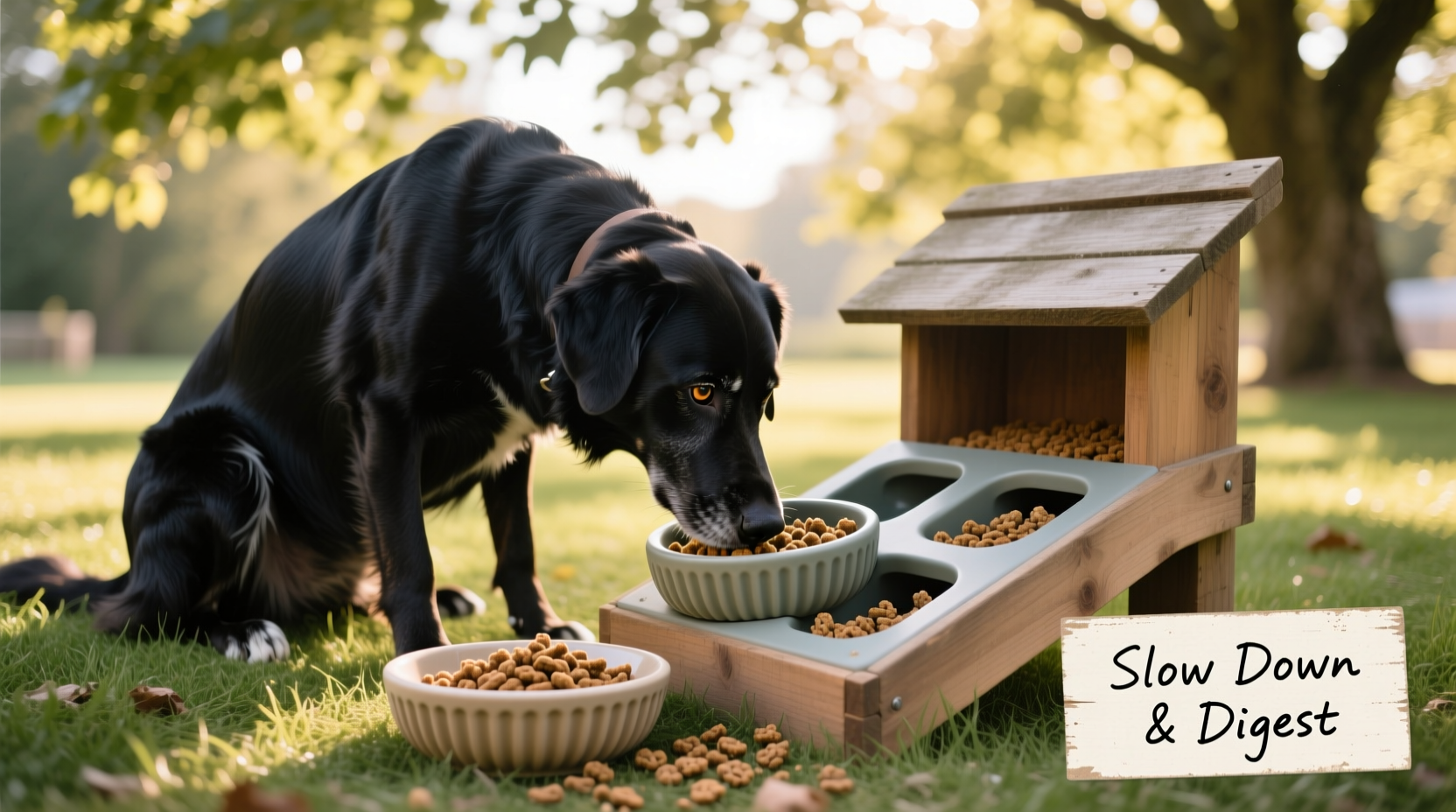
Many dogs have an instinctual drive to consume food rapidly, especially if they’ve lived in competitive environments or were once part of a multi-dog household. However, this behavior becomes problematic when it interferes with proper digestion. When a dog eats too fast:
- Air is swallowed along with food, leading to bloating and discomfort.
- Food isn’t chewed thoroughly, which hampers the digestive process starting in the mouth.
- The stomach expands rapidly, increasing the risk of GDV—particularly in deep-chested breeds like Great Danes, Boxers, and Standard Poodles.
- Nutrient absorption may be compromised due to rushed transit through the digestive tract.
“Dogs that gulp their food are more likely to experience indigestion and are at higher risk for bloat, one of the most critical emergencies in veterinary medicine.” — Dr. Karen Becker, Veterinary Advocate for Proactive Pet Health
Slow-Feeding Tools and Techniques
One of the most effective ways to manage rapid eating is by modifying how food is presented. A variety of tools are designed specifically to encourage slower consumption.
| Tool | How It Works | Best For |
|---|---|---|
| Puzzle feeders | Require dogs to nudge or paw food out of compartments | Mentally active breeds like Border Collies, Australian Shepherds |
| Lick mats | Spread wet food or paste for extended licking time | Dogs needing calming activities or those on soft diets |
| Slow-feed bowls | Contain baffles or mazes that block direct access to kibble | Most dogs, especially medium to large breeds |
| Snuffle mats | Hide food in fabric folds, encouraging foraging behavior | Dogs with high sniffing drive, such as Beagles or Spaniels |
Mealtime Behavior Adjustments
Beyond tools, how and when you feed your dog plays a crucial role in pacing. Structured routines and environmental control can make a significant difference.
- Feed smaller, more frequent meals. Instead of two large portions, divide daily intake into three or four smaller meals to reduce hunger-driven speed.
- Elevate food bowls appropriately. For large or deep-chested dogs, raising the bowl to chest level may reduce air intake during eating—though research is mixed, many owners report improvement.
- Use hand feeding selectively. Offering a portion of the meal by hand teaches patience and reinforces calm behavior, but should not replace all bowl feeding.
- Separate dogs during meals. In multi-dog homes, competition often triggers fast eating. Feeding pets in separate rooms eliminates this trigger.
Mini Case Study: Max, the Labrador Who Ate Too Fast
Max, a 3-year-old male Labrador Retriever, was brought to a behavioral vet after his owner reported frequent post-meal vomiting and lethargy. Video analysis showed he consumed his entire 2-cup meal in under 45 seconds. After ruling out medical causes, the vet recommended switching to a slow-feed bowl and dividing his food into three meals. Within two weeks, vomiting ceased, and Max’s energy levels improved. His owner later introduced a snuffle mat for breakfast, turning mealtime into a 15-minute enrichment activity. Over time, even when given a regular bowl, Max naturally began eating more slowly—a learned behavior reinforced by consistency.
Enhancing Digestion Through Diet and Timing
Slowing down eating is only part of the equation. What your dog eats and when they exercise around mealtimes also affects digestive health.
- Choose highly digestible foods. Look for named protein sources (e.g., “chicken,” not “meat meal”) and avoid excessive fillers like corn or soy.
- Incorporate fiber-rich ingredients. Pumpkin puree (not pie filling) or psyllium husk can add bulk and support gut motility.
- Avoid exercise immediately before or after meals. Wait at least one hour after eating before vigorous activity to lower GDV risk.
- Monitor water intake timing. While hydration is essential, gulping large amounts right after eating can distend the stomach. Offer water before and after meals, not exclusively during.
Step-by-Step Guide to Transitioning to Slow Feeding
- Week 1: Introduce a slow-feeder tool alongside the regular bowl. Place 25% of the meal in the device and 75% in the bowl.
- Week 2: Increase to 50% in the slow feeder. Observe for signs of frustration or avoidance.
- Week 3: Use the slow feeder for 75% of the meal. Add variety—try stuffing a Kong with soaked kibble and low-sodium broth.
- Week 4: Transition fully to the slow-feeding method. Rotate between puzzle toys to maintain engagement.
- Ongoing: Monitor digestion—look for well-formed stools, absence of regurgitation, and consistent energy.
Frequently Asked Questions
Can fast eating cause bloat?
Yes. Rapid eating increases the amount of air swallowed (aerophagia), which contributes to stomach distension. In susceptible dogs, this can progress to gastric torsion (twisting), a life-threatening condition requiring emergency surgery.
Are certain breeds more prone to fast eating?
While any dog can be a fast eater, breed tendencies exist. Herding and working breeds like German Shepherds and Siberian Huskies often exhibit food-driven behaviors. Additionally, dogs rescued from shelters or high-stress environments may develop rapid eating due to past food insecurity.
Is it safe to use frozen meals in slow feeders?
Yes, but with caution. Freezing wet food or broth with kibble inside a Kong or puzzle toy extends eating time significantly. Ensure the toy is rated for freezer use and never leave your dog unattended with frozen rubber items that could become brittle.
Checklist: How to Implement a Safer Feeding Routine
- ✅ Assess your dog’s current eating speed and post-meal behavior
- ✅ Purchase a slow-feed bowl or interactive food toy
- ✅ Divide daily food into 3–4 smaller meals
- ✅ Feed dogs separately if multiple pets live in the home
- ✅ Avoid intense play or walks one hour before and after meals
- ✅ Monitor stool quality and energy levels weekly
- ✅ Consult your vet if vomiting, bloating, or discomfort persists
Final Thoughts: Small Changes, Big Impact
Improving your dog’s digestion starts with rethinking mealtime. By slowing down eating, you’re not just preventing emergencies—you’re nurturing a healthier relationship between your dog and their food. These changes don’t require expensive interventions or drastic overhauls. Often, a simple switch to a maze-style bowl or a five-minute foraging game can yield lasting benefits. Your dog’s body will respond with better nutrient uptake, fewer digestive upsets, and increased comfort after meals.
💬 Have a tip that worked for your fast-eating dog? Share your experience in the comments and help other pet owners create safer, smarter feeding routines.








