
Water hardness is a critical but often overlooked factor in maintaining a thriving aquarium. High levels of minerals like calcium and magnesium—measured as general hardness (GH)—can stress fish, inhibit breeding, and disrupt biological balance. While some species thrive in hard water, many popular freshwater fish such as tetras, angelfish, and discus prefer softer conditions. The key lies not in eliminating hardness entirely, but in managing it effectively and safely. This guide explores proven methods to lower water hardness without endangering your aquatic life, ensuring optimal health and longevity for your fish.
Understanding Water Hardness: GH vs. KH
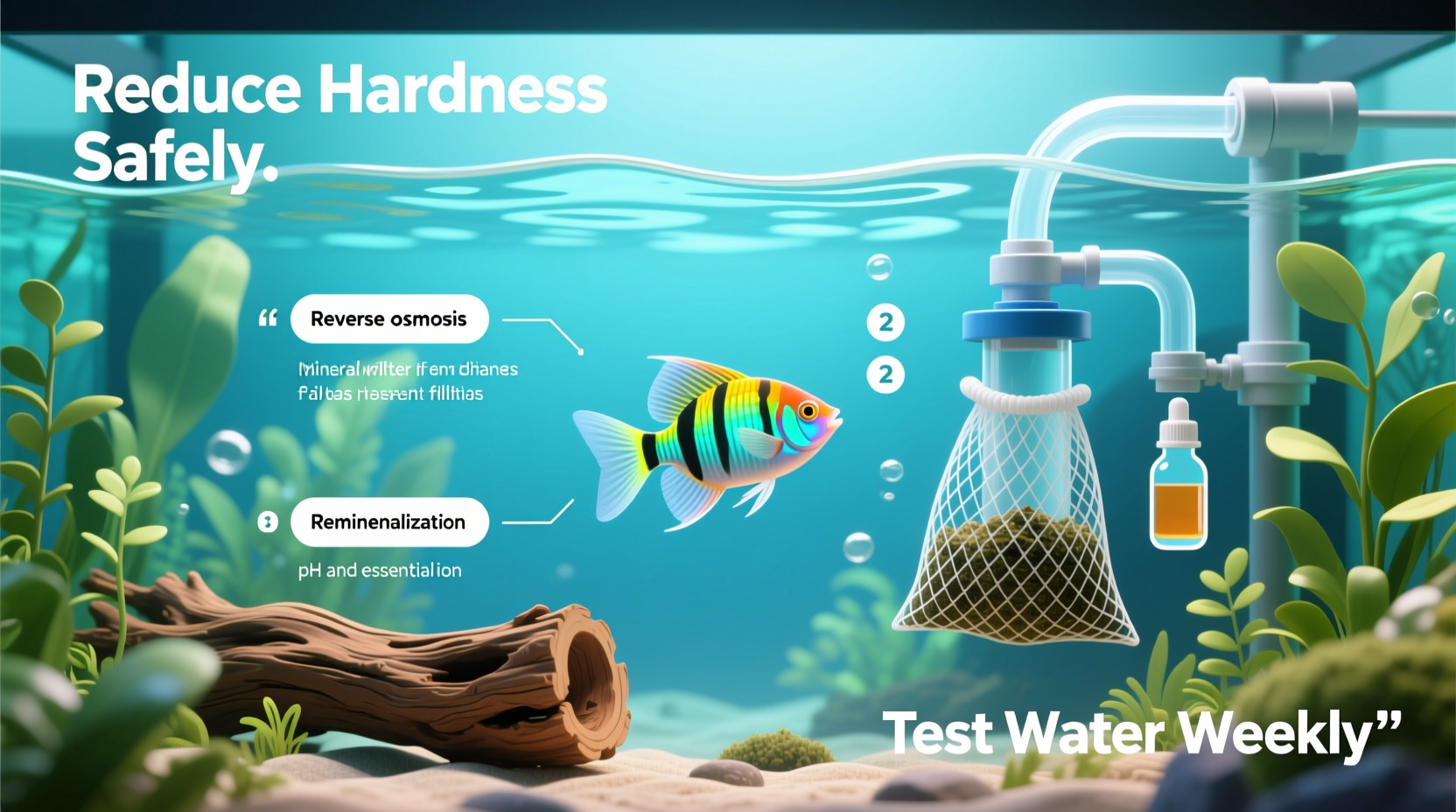
Before adjusting water parameters, it's essential to distinguish between two types of hardness: General Hardness (GH) and Carbonate Hardness (KH). GH measures the concentration of calcium and magnesium ions, directly affecting osmoregulation in fish—the process by which they maintain internal fluid balance. High GH can strain this system, leading to chronic stress or organ fatigue.
KH, also known as alkalinity, measures bicarbonate and carbonate levels. It stabilizes pH by buffering against sudden drops. While reducing GH, you must be cautious not to compromise KH excessively, as this can lead to dangerous pH swings.
Tip: Always test both GH and KH before making adjustments. Use liquid test kits for accuracy over strip-based tests.Safe Methods to Reduce Water Hardness
Lowering water hardness requires more than just dilution—it demands precision and consistency. Abrupt changes can shock fish, so gradual adjustment is paramount. Below are five reliable techniques backed by aquarists and aquatic biologists.
1. Use Reverse Osmosis (RO) Water
Reverse osmosis is one of the most effective ways to reduce water hardness. RO systems filter out up to 99% of dissolved minerals, producing nearly pure H₂O. By mixing RO water with tap water, you can achieve a target GH level suitable for soft-water species.
To use RO water safely:
- Pre-mix with tap water to avoid drastic parameter shifts.
- Re-mineralize if needed using specialized products for soft-water tanks.
- Store unused RO water in clean, sealed containers away from light.
2. Introduce Peat Moss
Peat moss naturally releases organic acids (humic and fulvic acids) that soften water by binding to calcium and magnesium ions. It also slightly lowers pH, making it ideal for simulating blackwater environments common in Amazonian habitats.
Use peat in a filter media bag or place it directly in the sump. For best results:
- Rinse thoroughly before use to remove dust and debris.
- Replace every 3–6 months as effectiveness diminishes.
- Monitor pH closely, especially in small or heavily stocked tanks.
“Peat remains a time-tested method for softening water, particularly for breeders of sensitive species like wild-caught rams and apistos.” — Dr. Lena Torres, Aquatic Biologist
3. Add Driftwood
Natural driftwood slowly leaches tannins into the water, contributing mild softening effects and creating a tea-colored tint reminiscent of tropical rivers. While the impact on GH is modest compared to RO or peat, driftwood provides consistent, gentle conditioning over time.
Tip: Boil new driftwood for 1–2 hours to accelerate tannin release and reduce initial cloudiness.4. Utilize Rainwater (With Caution)
In regions with clean air and proper collection methods, rainwater can serve as a natural soft water source. However, it must be collected from non-contaminated surfaces and tested for pollutants like heavy metals or acid rain compounds.
If used:
- Collect only from glass or food-grade plastic surfaces.
- Filter through activated carbon and test for nitrates and pH.
- Avoid using if you live near industrial zones or high-traffic areas.
5. Employ Water Softening Resins
Ion-exchange resins specifically designed for aquariums (such as those containing sodium ions) can temporarily reduce GH by swapping calcium and magnesium for less impactful elements. These resins are placed in filter compartments and require periodic recharging or replacement.
Important considerations:
- Do not use household water softeners—they add salt, which is toxic to most freshwater fish.
- Monitor sodium levels regularly when using ion-exchange media.
- Resins work best in conjunction with other methods for sustained results.
Step-by-Step Guide to Safely Lowering Water Hardness
Follow this timeline to adjust water hardness gradually and safely:
- Test current levels: Measure GH and KH using a liquid test kit. Record baseline values.
- Identify target range: Research ideal GH for your fish species (e.g., neon tetras prefer 3–6 dGH).
- Choose a method: Select one primary technique (e.g., RO/tap mix) and one supplementary (e.g., peat).
- Prepare adjusted water: Mix RO water with tap in a 1:1 ratio initially; test resulting GH.
- Perform partial changes: Replace 10–15% of tank water daily with treated water over 5–7 days.
- Monitor fish behavior: Watch for signs of stress like gasping, lethargy, or clamped fins.
- Stabilize and maintain: Once target GH is reached, continue using softening methods during routine water changes.
Common Mistakes to Avoid
Even well-intentioned efforts can backfire if executed improperly. Below is a summary of pitfalls and best practices:
| Don’t | Do |
|---|---|
| Switch from hard to soft water in a single change | Adjust hardness gradually over several days |
| Use distilled water alone without remineralization | Mix with mineral-rich water or add electrolytes |
| Overuse peat, causing excessive pH drop | Start with small amounts and monitor pH daily |
| Ignore KH when lowering GH | Maintain KH above 4 dKH to prevent pH crashes |
Mini Case Study: Restoring Balance in a Discus Tank
A hobbyist in Austin, Texas, struggled with recurring health issues in his discus community. Despite pristine filtration and feeding routines, fish showed faded colors and reduced appetite. Testing revealed tap water at 14 dGH—far above the 4–6 dGH ideal for discus.
The solution involved blending 70% RO water with 30% tap water and adding a small mesh bag of pre-boiled peat to the canister filter. Over six days, he replaced 15% of the tank volume daily with the softened mix. Within two weeks, fish exhibited improved coloration, increased activity, and resumed normal feeding. GH stabilized at 5 dGH, and no adverse effects were observed.
Frequently Asked Questions
Can I use bottled spring water to lower hardness?
Springs vary widely in mineral content. Some brands may still have high GH. Always test before use. Purified or distilled water is more predictable, though it requires remineralization for long-term stability.
Will soft water harm hard-water fish like African cichlids?
Yes. Species adapted to alkaline, hard water (like Malawi or Tanganyika cichlids) rely on high mineral content for physiological function. Reducing GH can impair their osmoregulation and lead to illness. Always match water parameters to species needs.
How often should I test water hardness?
Test GH and KH weekly in established tanks. After any adjustment, test every 2–3 days until stable. New setups or breeding tanks may require twice-weekly monitoring.
Final Checklist for Safe Hardness Reduction
- Test GH and KH before starting.
- Research ideal hardness for your fish species.
- Select a safe softening method (RO, peat, driftwood, etc.).
- Adjust parameters gradually—never all at once.
- Observe fish closely for signs of stress.
- Maintain KH to buffer pH during changes.
- Document results and refine approach as needed.
Conclusion: Prioritize Stability for Long-Term Success
Reducing water hardness isn't about achieving the lowest possible number—it's about creating a stable, species-appropriate environment where fish can thrive. Whether you're preparing for breeding, addressing health concerns, or simply optimizing tank conditions, the strategies outlined here offer reliable pathways to success. Consistency, patience, and regular testing are your greatest allies. Take action today by assessing your current water profile and planning a gradual adjustment strategy tailored to your aquarium’s unique needs.
💬 Have experience softening aquarium water? Share your tips or challenges in the comments—your insight could help fellow aquarists create healthier homes for their fish!








