
Bringing a new baby into a home with pets introduces a beautiful but complex dynamic. Dogs often become protective and affectionate toward infants, but certain safety hazards must be managed—especially around feeding areas. One of the most overlooked risks is a baby accessing or interacting with dog food and water bowls. These bowls can pose choking hazards, expose babies to bacteria like salmonella or E. coli, and even trigger allergic reactions. More importantly, disturbing a dog while eating may provoke defensive behavior. Implementing thoughtful, consistent strategies ensures both your baby’s safety and your dog’s well-being.
Why Keeping Babies Away from Dog Bowls Matters
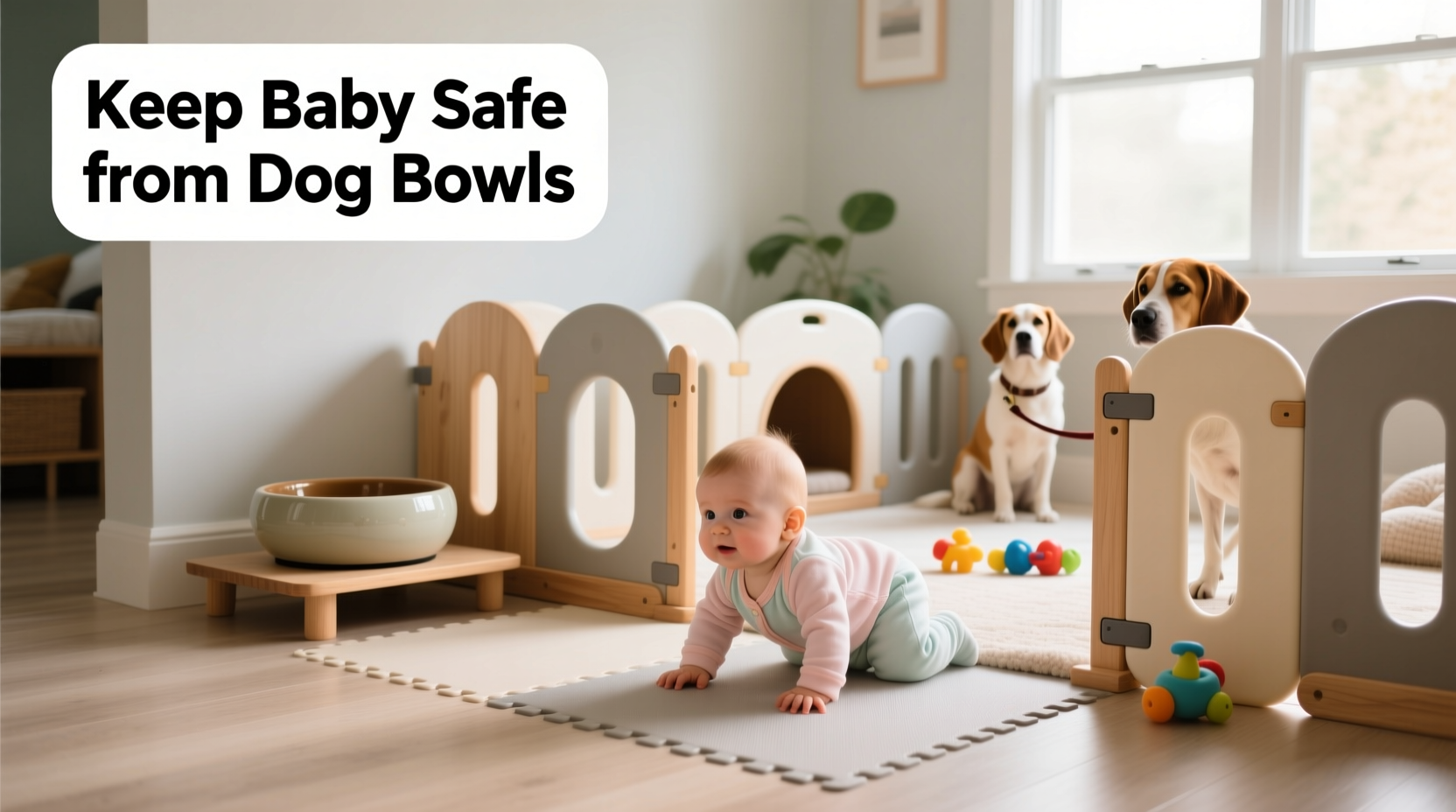
Dog bowls are not just containers for food—they’re potential hotspots for contamination and behavioral conflict. Dog food is formulated for canine digestion, not human consumption, and may contain ingredients harmful to infants, such as garlic, onions, or high levels of fat. Wet food left in bowls breeds bacteria quickly, especially in warm environments. Even clean-looking water bowls can harbor biofilm and pathogens transferred from your dog’s mouth.
Beyond health concerns, allowing a baby to approach or touch a dog’s bowl during mealtime can lead to resource guarding—a natural but dangerous instinct where dogs defend their food. Puppies and adult dogs alike may growl, snap, or lunge if they feel threatened, even if they generally love children. Preventing access isn’t about mistrusting your pet; it’s about managing predictable animal behaviors in a multi-species household.
Tip: Never allow your baby to play near or touch dog bowls—even when empty. Consistency helps reinforce boundaries for both baby and dog.Strategic Placement of Dog Feeding Areas
The location of your dog’s feeding station is one of the most impactful factors in baby safety. Choose a spot that is physically separated from common baby zones like playpens, cribs, or crawling paths. Ideal locations include laundry rooms, mudrooms, or enclosed corners of the kitchen that can be gated off.
If space allows, designate a permanent feeding zone using a baby gate or pet barrier. This not only blocks infant access but also gives your dog a quiet, stress-free environment to eat. Avoid placing bowls in high-traffic areas where a baby might crawl through during meals.
| Feeding Location | Pros | Cons |
|---|---|---|
| Kitchen corner (gated) | Easy cleanup, close to storage | Baby may still reach if unsupervised |
| Laundry room | Separated, low foot traffic | May require door modification |
| Pet enclosure or crate area | Dog feels secure, baby fully blocked | Limited space for larger dogs |
| Basement or utility room | Fully isolated | Less convenient for refilling |
Step-by-Step Guide to Establishing Safe Feeding Routines
Safety begins with routine. A structured feeding schedule minimizes unattended bowls and reduces temptation for curious babies. Follow this sequence to create a secure feeding system:
- Choose a fixed feeding time – Feed your dog when the baby is napping or occupied elsewhere. This reduces overlap and supervision demands.
- Use a designated feeding zone – Train your dog to eat only in a specific, gated area. Use verbal cues like “eat” or “place” to reinforce the habit.
- Limited meal duration – Allow 15–20 minutes for eating, then remove bowls immediately. This prevents lingering access and keeps food fresh.
- Clean bowls daily – Wash with hot, soapy water to eliminate bacteria. Stainless steel bowls are easiest to sanitize.
- Supervise all interactions – Even brief moments of unsupervised contact between baby and dog near feeding areas should be avoided.
“Dogs thrive on predictability. When feeding becomes a structured, isolated event, both pets and parents benefit from reduced stress and increased safety.” — Dr. Lena Peterson, DVM, Certified Animal Behaviorist
Childproofing and Physical Barriers
As babies begin crawling and walking, physical prevention becomes essential. Baby gates are among the most effective tools. Install a pressure-mounted or hardware-mounted gate at the entrance to the feeding area. For extra security, choose a gate with a lock mechanism to prevent curious toddlers from opening it.
Consider elevated feeders mounted to walls or secured under cabinets—these are out of a baby’s reach but accessible to dogs. Alternatively, use furniture like low shelves or cabinets with child locks to store bowls when not in use.
Tip: Test accessibility from a baby’s perspective—get down on your hands and knees to see if bowls or spilled food are within reach.Training Your Dog and Educating Caregivers
Training your dog to stay away from baby zones is as important as protecting the baby from the dog. Teach commands like “leave it,” “stay,” and “go to place” to manage movement during feeding times. Positive reinforcement works best: reward calm behavior with treats and praise.
Equally crucial is educating family members, babysitters, and visitors. Missteps like feeding a dog in the living room or leaving water bowls in open areas can undo your safety efforts. Create a simple household rule: Dog bowls go in Zone X, and only during feeding times.
Mini Case Study: The Rivera Family
The Riveras welcomed their daughter, Mia, six months ago. Their golden retriever, Max, was loving but possessive of his food. Initially, they fed Max in the kitchen, but Mia began crawling toward his bowl during meals. After Max growled once—prompting a scare but no injury—they restructured their setup. They installed a retractable baby gate between the kitchen and dining area, created a feeding nook in the laundry room, and trained Max to wait for the “okay” command before approaching his bowl. Within three weeks, feeding became a calm, isolated routine. Now, Mia plays safely nearby while Max eats behind the closed door—no incidents since.
Checklist: Baby-Safe Dog Feeding Setup
- ✅ Designate a dog feeding zone away from baby areas
- ✅ Install a secure baby gate or barrier
- ✅ Use timed feeding instead of free-feeding
- ✅ Remove bowls immediately after meals
- ✅ Clean bowls daily with hot, soapy water
- ✅ Train dog with “leave it” and “place” commands
- ✅ Educate all caregivers on feeding rules
- ✅ Conduct weekly safety checks for spills or access points
FAQ
Can I use automatic feeders to improve safety?
Yes. Automatic feeders dispense food on a timer and can be placed in restricted areas, reducing human involvement and accidental exposure. Ensure the unit is mounted securely and the area remains gated during feeding.
What if my dog hoards food or carries kibble away?
This behavior increases risk. Use a heavy, non-tip bowl and feed in an easy-to-clean room like tile or vinyl flooring. Pick up any stray pieces immediately. Consult a trainer if the behavior persists.
Is it safe for babies to touch dry dog food?
No. Even dry kibble can carry bacteria and contains ingredients unsafe for infants. Treat dog food like a household chemical—store it out of reach and clean up spills instantly.
Conclusion
Protecting your baby from dog bowls isn’t just about physical barriers—it’s about creating a household culture of awareness, consistency, and mutual respect between species. With strategic placement, disciplined routines, and proper training, you can foster a safe, harmonious home where both your child and pet thrive. Start implementing these steps today to prevent accidents before they happen.
💬 Have a tip that worked for your family? Share your experience in the comments to help other parents navigate pet-and-baby life safely!








