
As temperatures rise each summer, pet owners face a growing but often overlooked threat: ultraviolet (UV) radiation. While humans reach for sunscreen and wide-brimmed hats, many forget that pets—especially those with light-colored fur, thin coats, or exposed skin—are equally vulnerable to sunburn and long-term skin damage. Prolonged sun exposure can lead to painful burns, skin cancers like squamous cell carcinoma, and accelerated aging of the skin. Fortunately, proactive care and informed habits can significantly reduce these risks. Understanding how sunlight affects animals and implementing protective measures ensures your pet enjoys the season safely.
Understanding Sun Sensitivity in Pets
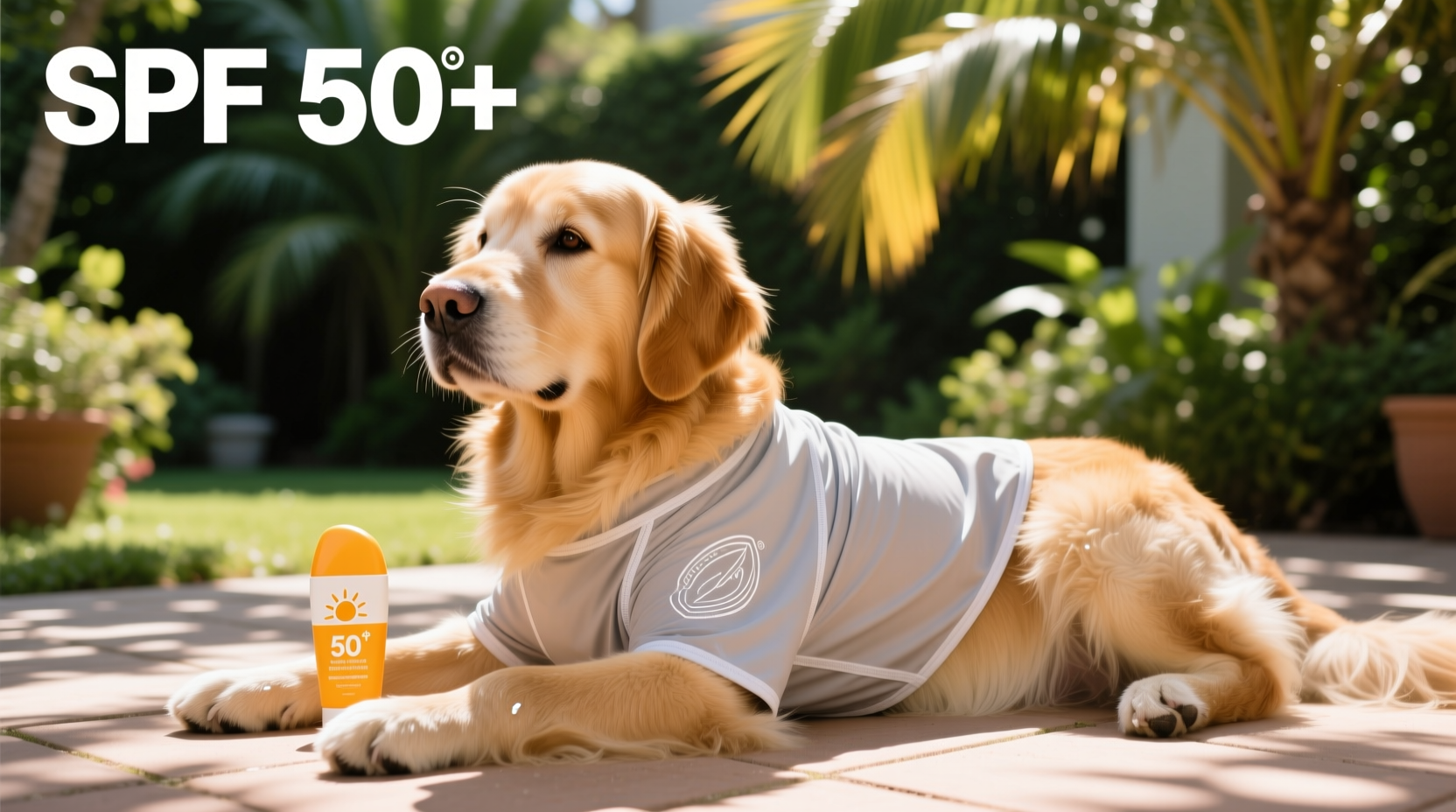
Not all pets react to the sun the same way. Factors such as coat color, thickness, breed, age, and pre-existing medical conditions influence susceptibility. Cats and dogs with white or light-colored fur, pink noses, and sparse hair—like Bulldogs, Dalmatians, Whippets, and Sphynx cats—are at higher risk. Areas with little fur coverage, including the ears, nose, eyelids, belly, and groin, are particularly prone to UV damage.
Veterinary dermatologists emphasize that repeated sun exposure accumulates over time. “Pets don’t show signs of sun damage immediately,” explains Dr. Lena Torres, a board-certified veterinary dermatologist. “But chronic exposure without protection can lead to actinic keratosis and even malignant tumors, especially in older animals.”
“Sun protection for pets isn’t just about comfort—it’s a critical component of preventive healthcare.” — Dr. Lena Torres, Veterinary Dermatologist
Key Protective Measures for Daily Sun Safety
Shielding your pet from harmful UV rays involves more than limiting outdoor time. A comprehensive approach combines physical barriers, behavioral adjustments, and safe products designed specifically for animals.
Tip: Schedule walks and playtime during early morning or late evening hours when UV intensity is lowest.- Use pet-safe sunscreen: Apply veterinarian-approved sunscreen to vulnerable areas like the nose, ears, and belly. Never use human sunscreen, as ingredients like zinc oxide and para-aminobenzoic acid (PABA) can be toxic if ingested during grooming.
- Provide shaded environments: Ensure access to covered patios, awnings, or indoor spaces during peak sun hours (10 a.m.–4 p.m.). Even backyard enclosures should include movable shade options.
- Dress your pet appropriately: UV-protective pet clothing, such as lightweight sun shirts or cooling vests with UPF ratings, offers an additional layer of defense, especially for hairless or clipped breeds.
- Avoid reflective surfaces: Concrete, sand, and water intensify UV exposure. Limit time on beaches or paved areas during midday.
Step-by-Step Guide to Summer Skin Protection
Follow this timeline to establish a consistent sun-safety routine for your pet throughout the summer months:
- Week 1: Assess your pet’s risk level. Examine their coat, skin tone, and medical history. Note any areas with thin fur or previous sun damage.
- Week 2: Purchase pet-safe sunscreen and UV-protective gear. Choose products labeled for animal use with broad-spectrum SPF 15–30. Test a small area first to check for irritation.
- Week 3: Introduce protective clothing gradually. Allow your pet to wear sun shirts indoors to build comfort before outdoor use.
- Ongoing (Daily): Apply sunscreen 15–30 minutes before going outside. Reapply after swimming or excessive sweating. Avoid eyes, mouth, and open wounds.
- Monthly: Inspect skin for changes. Look for redness, flaking, scabs, or new growths. Document findings and consult your vet promptly if abnormalities appear.
Do’s and Don’ts: Sun Safety for Pets
| Do’s | Don’ts |
|---|---|
| Use vet-recommended sunscreens formulated for pets | Apply human sunscreen or insect repellent containing DEET |
| Provide constant access to fresh water and shaded areas | Leave pets outdoors unattended during peak UV hours |
| Dress high-risk pets in UPF-rated clothing | Shave double-coated breeds excessively—they rely on fur for natural insulation and protection |
| Monitor pets closely after grooming or medical shaving | Assume cloudy days eliminate UV risk—up to 80% of UV rays penetrate cloud cover |
| Schedule annual skin exams with your veterinarian | Ignore signs of sunburn, such as redness, peeling, or behavioral discomfort |
Real-Life Scenario: Protecting a Senior Dog with Thin Coat
Milo, a 10-year-old White Boxer, began spending more time napping on the sunlit patio during summer. His owner noticed his nose and inner ears becoming increasingly pink and flaky. After a vet visit, Milo was diagnosed with mild solar dermatitis—a precursor to skin cancer caused by cumulative sun exposure. The vet recommended daily application of pet-safe sunscreen, installation of a retractable shade sail in the yard, and limiting outdoor activity to cooler times. Within six weeks, Milo’s skin improved significantly. His owner now conducts monthly skin checks and includes sun protection as part of his daily care—proving that even small changes can have lasting benefits.
Pet-Friendly Sunscreen Checklist
Before purchasing or applying any product, ensure it meets the following criteria:
- Formulated specifically for dogs or cats
- Free of zinc oxide, PABA, fragrances, and parabens
- Water-resistant if swimming is involved
- Non-greasy and quick-drying to minimize licking
- Clinically tested and recommended by veterinarians
- Easily applied with minimal stress to the pet
Frequently Asked Questions
Can I use baby sunscreen on my dog?
No. Even baby sunscreens often contain ingredients like zinc oxide or essential oils that are toxic to pets when ingested. Always choose a product explicitly labeled as safe for animals.
Are cats more sensitive to sun than dogs?
In many cases, yes. Outdoor cats, especially white or light-colored ones, frequently develop solar-induced squamous cell carcinoma on the ears and nose. Indoor cats near sunny windows are also at risk due to UVA penetration through glass.
How do I know if my pet has sunburn?
Symptoms include red, warm, or tender skin, peeling, hair loss in patches, and behavioral signs like excessive scratching or avoidance of touch. In severe cases, blisters or ulcers may form. If you suspect sunburn, contact your veterinarian immediately.
Final Thoughts: Make Sun Safety a Habit
Protecting your pet from summer sun damage doesn’t require drastic lifestyle changes—just consistent awareness and simple preventive steps. From choosing the right sunscreen to modifying outdoor routines, every action contributes to long-term skin health. As climate patterns shift and UV indexes climb, proactive care becomes even more essential. Start today by evaluating your pet’s sun exposure and building a protection plan tailored to their needs.
💬 Your pet’s safety matters—share this guide with fellow pet owners and help spread awareness about summer skin protection. Have a sun-safety tip or story? Leave a comment below!








