
Fleas are more than just a nuisance—they pose real health risks to dogs, including anemia, skin infections, and tapeworm transmission. These tiny parasites reproduce rapidly, turning a minor irritation into a full-blown infestation in days. Eliminating fleas requires a comprehensive approach that treats the pet, the home, and the outdoor environment. More importantly, prevention is far easier—and less stressful—than dealing with an outbreak. With consistent care and the right tools, you can keep your dog flea-free year-round.
Understanding the Flea Life Cycle
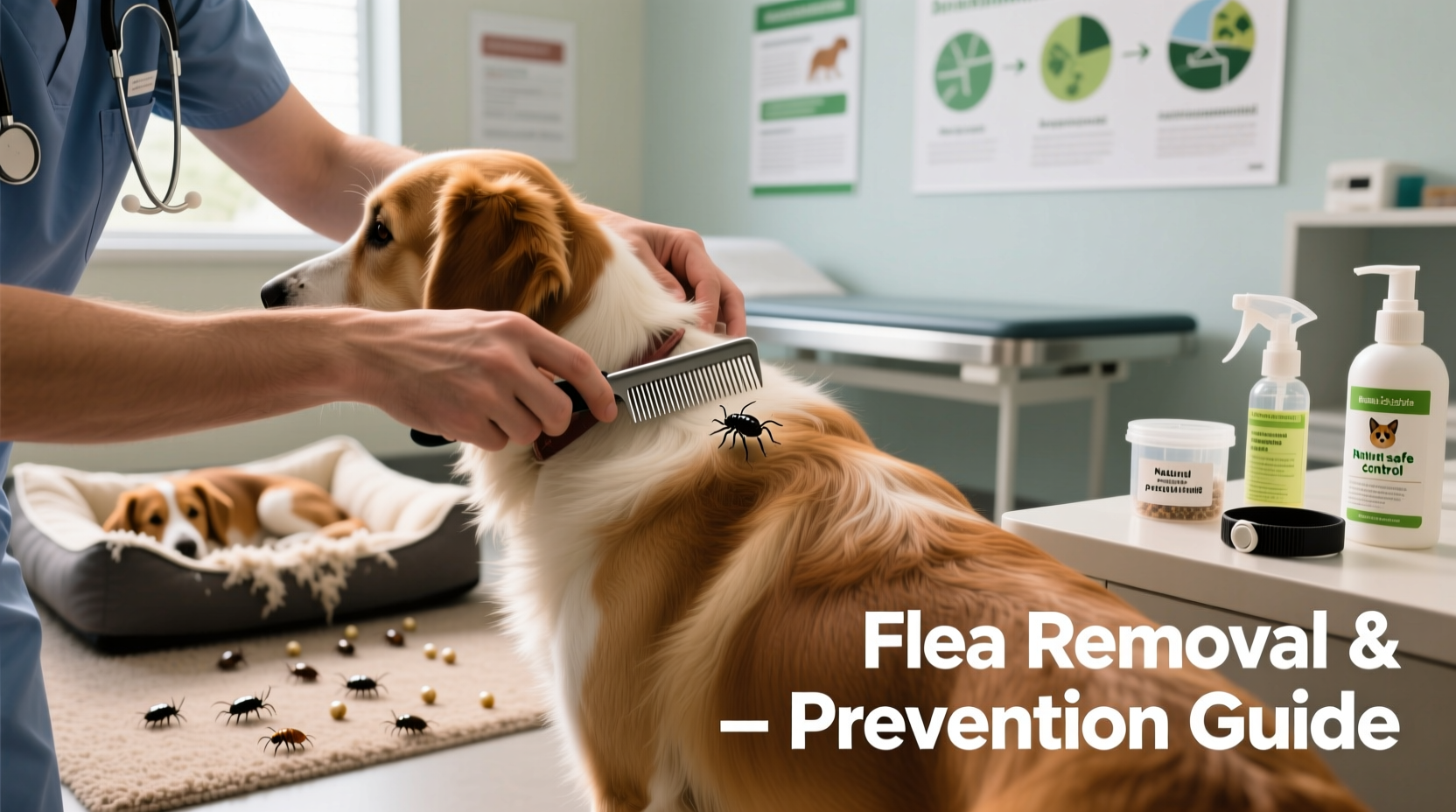
To effectively combat fleas, it’s essential to understand their biology. Fleas progress through four stages: egg, larva, pupa, and adult. Adult fleas make up only about 5% of an infestation; the remaining 95% consists of eggs, larvae, and pupae hiding in carpets, bedding, and outdoor spaces. Eggs fall off the host into the environment, where they hatch within a few days. Larvae feed on organic debris and adult flea feces before spinning cocoons and entering the pupal stage, which can last weeks or even months under dormant conditions.
This life cycle explains why treating your dog alone isn’t enough. Even if all adult fleas are killed, new ones will continue to emerge unless the environment is addressed. Temperature and humidity play key roles—fleas thrive in warm, humid conditions, making spring and summer peak seasons, though indoor heating allows them to survive year-round.
“Breaking the flea life cycle is critical. You’re not just treating an existing problem—you’re stopping the next generation before it starts.” — Dr. Linda Chen, DVM, Veterinary Parasitology Specialist
Immediate Steps to Remove Fleas from Your Dog
When you notice signs like excessive scratching, red bumps, or black specks (flea dirt) in your dog’s coat, act quickly. Delaying treatment allows fleas to multiply and increases the risk of secondary health issues.
- Use a fine-toothed flea comb: Run it through your dog’s fur, especially around the neck, tail, and belly. Dip the comb in soapy water after each pass to drown captured fleas.
- Bathe your dog with a flea shampoo: Choose one containing pyrethrins or other vet-approved insecticides. Follow label instructions carefully, avoiding eyes and ears.
- Apply a fast-acting topical or oral treatment: Products like spinosad or nitenpyram can kill adult fleas within 30 minutes to 4 hours.
- Trim long hair: Shorter fur makes it harder for fleas to hide and easier to inspect for reinfestation.
- Wash all bedding in hot water: Use detergent and dry on high heat to kill eggs and larvae.
Long-Term Prevention Methods
Once the immediate infestation is under control, shift focus to prevention. Consistency is key. Missing even one dose of preventive medication can allow fleas to reestablish themselves.
- Monthly preventives: Topical treatments (e.g., fipronil, selamectin), oral medications (e.g., fluralaner, afoxolaner), and flea collars (e.g., Seresto) offer protection for 30 days or longer. Consult your veterinarian to choose the safest option based on your dog’s age, weight, and health.
- Environmental control: Vacuum carpets, rugs, and furniture daily during an outbreak. Dispose of the vacuum bag or empty the canister outside immediately. Steam cleaning can also kill hidden eggs and larvae.
- Yard management: Trim grass, remove leaf litter, and limit shaded, moist areas where fleas thrive. Consider natural nematodes (microscopic worms that prey on flea larvae) for organic yard treatment.
- Regular grooming: Weekly brushing helps detect early signs and strengthens the bond between you and your pet.
Comparison of Common Flea Treatments
| Treatment Type | Onset of Action | Duration | Pros | Cons |
|---|---|---|---|---|
| Oral Medication | 30 min – 4 hrs | 1 month | Fast, systemic, no residue | Requires swallowing pill; may cause mild GI upset |
| Topical Solution | 12–24 hrs | 1 month | Ease of application; kills on contact | Oily residue; avoid swimming/bathing for 48 hrs |
| Flea Collar | 24–48 hrs | 6–8 months | Long-lasting; continuous release | May irritate skin; limited coverage area |
| Shampoo | Immediate (on contact) | None (short-term only) | Immediate relief; safe for puppies | No residual effect; labor-intensive |
Real-World Case: The Martinez Family’s Flea Battle
The Martinez family adopted a rescue dog named Luna in late spring. Within two weeks, their toddler developed red bites on his legs, and Luna was constantly scratching. A vet confirmed a flea infestation. Despite using an over-the-counter flea spray, the problem persisted for over a month.
After consulting their veterinarian, they switched to a prescription oral chew given monthly and began daily vacuuming. They washed all bedding weekly and treated their backyard with beneficial nematodes. Within three weeks, both Luna and the home were flea-free. The key, they learned, was combining medical treatment with environmental hygiene—and sticking to a strict schedule.
Step-by-Step Flea Eradication Timeline
Follow this 30-day plan to eliminate fleas and regain control:
- Day 1: Bathe your dog with flea shampoo and use a flea comb. Administer a fast-acting oral treatment.
- Day 1–7: Vacuum every day, focusing on baseboards, under furniture, and pet bedding. Wash all fabrics in hot water.
- Day 14: Apply a second round of preventive treatment (topical or oral). Inspect your dog closely for any remaining fleas.
- Day 21: Reassess your yard. Treat outdoor areas if needed. Continue vacuuming every other day.
- Day 30: Begin ongoing monthly prevention. Monitor your dog weekly for signs of reinfestation.
Frequently Asked Questions
Can humans get fleas from dogs?
Yes, fleas can bite humans, typically on the ankles or lower legs, causing itchy red bumps. While they don’t live on people, they can temporarily feed before returning to pets or the environment.
Are natural remedies like apple cider vinegar effective?
There is no scientific evidence that apple cider vinegar, essential oils, or garlic-based solutions reliably kill or repel fleas. Some of these can even be toxic to dogs. Stick to veterinarian-approved products for safety and effectiveness.
How do I know if the infestation is gone?
After two consecutive weeks without spotting fleas, flea dirt, or excessive scratching, the infestation is likely resolved. Continue monitoring and maintain preventive treatment to avoid recurrence.
Final Checklist for Flea Control Success
- ✅ Treat your dog with a vet-recommended flea product
- ✅ Comb your dog daily during active infestation
- ✅ Wash all bedding in hot water weekly
- ✅ Vacuum carpets and furniture thoroughly and frequently
- ✅ Treat your yard if your dog spends time outdoors
- ✅ Maintain monthly prevention year-round
- ✅ Schedule regular vet check-ups to monitor skin health
Take Action Today for a Healthier, Happier Dog
Fleas are persistent, but not unbeatable. With a strategic combination of prompt treatment, environmental cleanup, and consistent prevention, you can protect your dog from discomfort and health complications. Don’t wait until the itching starts—proactive care is the best defense. Start today by scheduling a vet consultation, checking your supply of flea medication, and giving your home a thorough cleaning. Your dog depends on you for comfort and safety. Make flea prevention a non-negotiable part of your pet care routine.
💬 Have a flea-fighting tip that worked for your dog? Share your experience in the comments and help fellow pet owners keep their furry friends healthy and itch-free!








