
Dog owners know the distress of seeing their loyal companion scratch incessantly, chew at paws, or rub against furniture in an attempt to find relief. Allergy-induced itching is one of the most common reasons pets visit veterinarians. Unlike humans who often sneeze or have watery eyes when allergic, dogs typically manifest allergies through their skin—leading to intense itching, redness, hair loss, and even secondary infections. The good news is that with a targeted approach, you can significantly reduce your dog’s discomfort and improve their quality of life.
Allergies in dogs are rarely curable but are highly manageable. Whether the trigger is environmental (like pollen or dust mites), food-based, or flea-related, a combination of medical treatment, lifestyle adjustments, and consistent care can bring lasting relief. Below are proven strategies backed by veterinary science and real-world results.
Identify the Root Cause of Itching
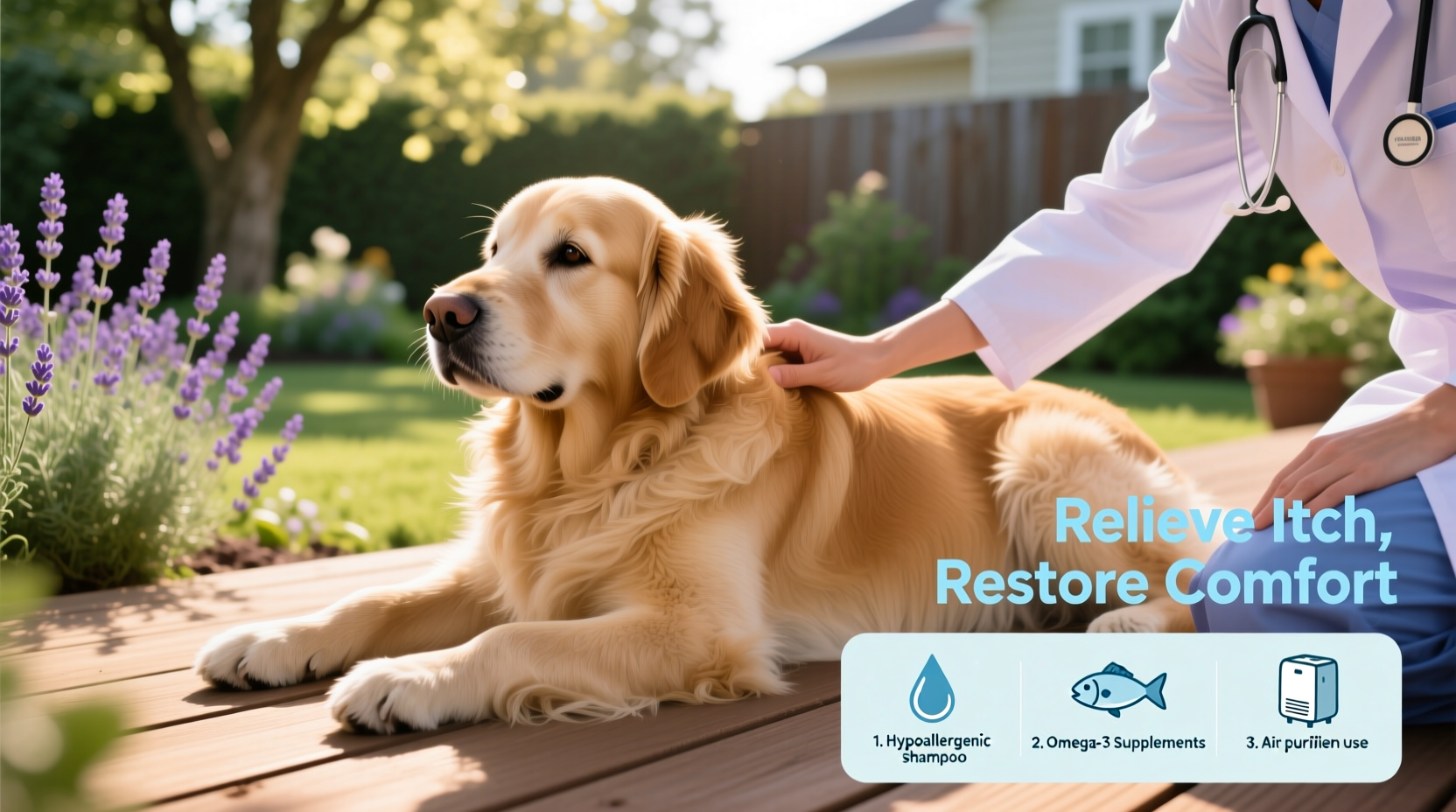
The first step in managing your dog’s allergic reactions is determining what they’re reacting to. Common allergens include:
- Pollen from grass, trees, and weeds
- Dust mites and mold spores
- Flea saliva (even a single bite can trigger a reaction)
- Proteins in food such as beef, chicken, dairy, or grains
- Household cleaning products or laundry detergents
Diagnosing the exact cause often requires collaboration with a veterinarian. Blood tests and intradermal skin testing can help pinpoint environmental allergens. For food allergies, an elimination diet lasting 8–12 weeks is the gold standard. During this period, your dog eats a novel protein (like venison or duck) and a single carbohydrate source with no treats or flavored medications.
“Accurate diagnosis is half the battle. Treating symptoms without identifying triggers leads to temporary relief at best.” — Dr. Laura Simmons, DVM, Board-Certified Veterinary DermatologistTip: Keep a symptom journal noting when and where itching worsens—this can reveal patterns tied to seasons, locations, or diet changes.
Vet-Approved Medical Treatments
Once the allergen is identified—or while waiting for diagnostic results—your vet may recommend treatments to control inflammation and break the itch-scratch cycle. These include:
- Antihistamines: Such as cetirizine or diphenhydramine. While not effective for all dogs, they can help mild cases.
- Corticosteroids: Like prednisone, provide rapid relief but should be used short-term due to side effects.
- Immunomodulators: Oclacitinib (Apoquel) and lokivetinib (Cytopoint) target specific pathways causing itch and inflammation with fewer side effects than steroids.
- Allergen-specific immunotherapy: Custom vaccines based on allergy test results gradually desensitize the immune system over months.
Cytopoint, a monoclonal antibody injection, has gained popularity for its safety and effectiveness. Administered every 4–8 weeks, it mimics the dog’s natural antibodies to block interleukin-31, the primary protein responsible for itch signals.
Comparison of Common Anti-Itch Treatments
| Treatment | Onset of Relief | Duration | Side Effects |
|---|---|---|---|
| Antihistamines | 1–2 hours | 8–24 hours | Drowsiness, dry mouth |
| Prednisone | 1–2 hours | Daily dosing | Increased thirst, weight gain, immune suppression |
| Apoquel | 4 hours | Twice daily | Rare GI upset, potential infection risk |
| Cytopoint | 24 hours | 4–8 weeks per dose | Minimal; rare vomiting or lethargy |
Natural and Supportive Care Methods
Alongside medical treatments, integrative approaches can enhance comfort and reduce reliance on medication.
Bathing and Topical Therapies
Regular bathing with hypoallergenic, oatmeal-based, or medicated shampoos removes allergens from the coat and soothes irritated skin. Aim for once every 1–2 weeks, using lukewarm water and allowing the shampoo to sit for 10 minutes before rinsing.
Conditioners and leave-on sprays containing ceramides or phytosphingosine help repair the skin barrier, which is often compromised in allergic dogs.
Dietary Support
Omega-3 fatty acids from fish oil reduce inflammation and improve skin health. Look for supplements providing at least 1,000 mg of combined EPA and DHA daily for medium-sized dogs. Probiotics may also support immune regulation and reduce allergic responses.
Tip: Choose fragrance-free, dye-free wipes to clean your dog’s paws after walks—this reduces pollen and chemical exposure.Environmental Control Checklist
Reducing allergen exposure at home is crucial. Follow this actionable checklist to create a cleaner, safer environment:
- Wash your dog’s bedding weekly in hot water without scented detergent
- Use HEPA-filter air purifiers in rooms where your dog spends time
- Vacuum carpets and upholstery 2–3 times per week
- Keep windows closed during high pollen seasons
- Switch to fragrance-free household cleaners
- Prevent access to damp areas prone to mold growth
- Use monthly flea prevention year-round—even one bite can trigger dermatitis
Real-Life Example: Managing Max’s Seasonal Allergies
Max, a 4-year-old Golden Retriever, began scratching violently every spring. His owner noticed raw spots on his belly and constant ear shaking. After ruling out fleas and food allergies, the vet performed skin testing and found Max was highly sensitive to tree and grass pollen.
The treatment plan included Cytopoint injections every six weeks during allergy season, weekly baths with a chlorhexidine-oatmeal shampoo, and daily omega-3 supplements. Indoors, the family installed an air purifier and washed Max’s paws after each outdoor trip. Within three weeks, scratching decreased by over 70%, and Max regained normal sleep and activity levels.
This case illustrates how combining diagnostics, medical therapy, and environmental management leads to meaningful improvement—even for severe seasonal allergies.
Step-by-Step Guide to Immediate Itch Relief
If your dog is currently suffering, follow this timeline to provide quick and sustained comfort:
- Day 1: Schedule a vet appointment to rule out infections or parasites.
- Day 2–3: Begin prescribed medication (e.g., Apoquel or antihistamine).
- Day 4: Give the first hypoallergenic bath using a vet-recommended shampoo.
- Day 5–7: Wipe paws after walks, vacuum living areas, and start omega-3 supplementation.
- Week 2: Reassess symptoms with your vet; adjust treatment if needed.
- Month 2: Begin long-term strategy such as immunotherapy if indicated.
Frequently Asked Questions
Can I use human anti-itch creams on my dog?
No. Many human topical products contain ingredients like hydrocortisone or fragrances that can be toxic if licked. Always use veterinarian-approved products designed specifically for dogs.
How long does it take for allergy treatments to work?
Medications like Apoquel or Cytopoint often show improvement within 24–48 hours. Dietary changes or immunotherapy may take several weeks to months for full effect.
Is it possible for dogs to outgrow allergies?
Rarely. Most allergies persist or worsen over time without proper management. However, early intervention can prevent complications like chronic ear infections or thickened skin.
Take Action for a Happier, Healthier Dog
Relieving your dog’s allergy-related itching isn’t just about stopping the scratch—it’s about restoring their ability to enjoy walks, play, and rest without discomfort. With accurate diagnosis, consistent treatment, and a few strategic lifestyle changes, you can transform your pet’s daily experience. Don’t wait for symptoms to escalate. Start today by scheduling a vet visit, reviewing your dog’s environment, and committing to a holistic care plan.
💬 Have a success story or tip for managing dog allergies? Share your experience in the comments to help fellow pet owners find relief for their furry friends.








