When a male cat begins urinating outside the litter box, it’s more than just a cleaning challenge—it’s a signal. This behavior often stems from medical issues, stress, or environmental triggers. Ignoring it can lead to persistent problems and damage to your home. The good news: with the right approach, most cases of inappropriate urination can be resolved permanently. This guide outlines proven, humane, and practical strategies that address root causes, not just symptoms.
Rule Out Medical Causes First
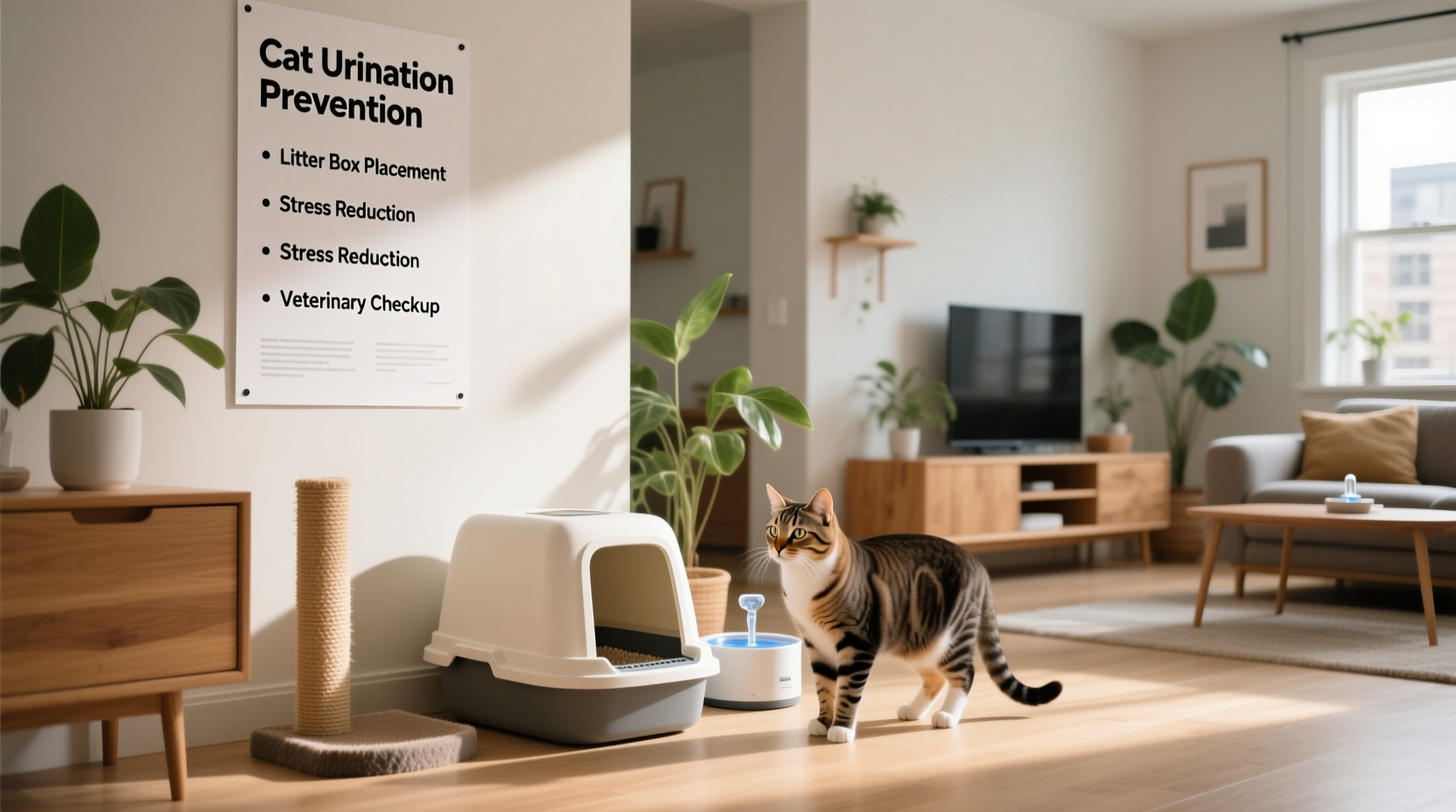
Before assuming behavioral issues, rule out health problems. Urinary tract infections, bladder stones, kidney disease, or diabetes can cause discomfort during urination, prompting cats to avoid the litter box. Male cats are especially prone to urinary blockages—a life-threatening condition.
Signs that may indicate a medical issue include:
- Straining in or outside the litter box
- Frequent attempts to urinate with little output
- Blood in urine
- Vocalizing while urinating
- Lethargy or loss of appetite
“Over 30% of cats presenting with house soiling have an undiagnosed medical condition. Never skip the vet visit.” — Dr. Laura Bennett, DVM, Feline Behavior Specialist
Optimize Litter Box Conditions
Cats are fastidious about cleanliness. Even minor changes in litter type, box location, or maintenance can drive them to seek alternative spots. Addressing these factors is essential for long-term success.
Follow these evidence-based litter box guidelines:
| Factor | Recommended Practice | Common Mistake |
|---|---|---|
| Number of Boxes | One per cat + one extra | Only one box for multiple cats |
| Location | Quiet, accessible, low-traffic areas | Near loud appliances or in isolated basements |
| Cleaning Frequency | Scooped daily, fully changed weekly | Infrequent scooping or strong-scented cleaners |
| Litter Type | Unscented, clumping, fine-grained | Fragranced or crystal litters |
| Box Size | 1.5x the cat’s length | Too small or covered boxes that trap odors |
Avoid using ammonia-based cleaners on accidents—they mimic urine scent and attract repeat marking. Instead, use enzymatic cleaners to break down odor molecules completely.
Reduce Stress and Environmental Triggers
Stress is a leading cause of territorial spraying in male cats, especially unneutered ones. Common stressors include new pets, household changes, outdoor cats visible through windows, or conflicts with other indoor cats.
To minimize anxiety:
- Use pheromone diffusers (e.g., Feliway) in high-traffic areas to promote calmness.
- Create safe zones with elevated perches, hiding spots, and separate feeding stations.
- Limit visual access to outdoor cats using window decals or opaque film.
- Maintain a consistent routine for feeding, play, and interaction.
Real Example: Max the Territorial Tomcat
Max, a 3-year-old male tabby, began spraying near the front door after a neighbor’s cat started visiting the yard. His owner, unaware of the trigger, cleaned repeatedly but saw no improvement. After installing motion-activated deterrents outside and placing a Feliway diffuser near the entry, Max stopped marking within two weeks. The key was identifying and neutralizing the external threat rather than focusing only on punishment or cleaning.
Neutering: A Critical Preventative Step
Intact male cats are far more likely to spray to mark territory. Neutering significantly reduces or eliminates this behavior in up to 90% of cases, especially when done before sexual maturity (around 6 months).
Even neutered males may spray under stress, but the frequency and volume decrease dramatically. If your cat was neutered late, don’t assume it’s too late—the behavioral benefits can still emerge over time with proper management.
“Neutering isn’t just about population control—it’s a cornerstone of feline behavioral health.” — American Association of Feline Practitioners
Step-by-Step Plan to Stop Indoor Urination
Resolving inappropriate urination requires consistency and patience. Follow this timeline for best results:
- Day 1–3: Schedule a vet visit to rule out medical issues. Collect a urine sample if possible.
- Day 4: Audit your litter setup. Add additional boxes, switch to unscented litter, and place boxes in quiet areas.
- Day 5–7: Clean all past accident sites with enzymatic cleaner. Install pheromone diffusers in problem zones.
- Week 2: Observe patterns. Note when and where incidents occur. Look for environmental triggers.
- Week 3–4: Implement environmental enrichment—daily play sessions, puzzle feeders, vertical space.
- Ongoing: Maintain strict litter hygiene and monitor interactions with other pets.
Checklist: What You Should Do Now
- ✅ Schedule a veterinary check-up
- ✅ Count your litter boxes—do you have enough?
- ✅ Switch to unscented, clumping litter
- ✅ Scoop all boxes daily
- ✅ Clean past stains with enzymatic cleaner
- ✅ Install a pheromone diffuser in affected rooms
- ✅ Identify and reduce stressors (e.g., outdoor cats, loud noises)
- ✅ Ensure your cat is neutered
Frequently Asked Questions
Why does my neutered male cat still pee in the house?
Even neutered males may urinate outside the box due to medical issues, stress, or litter box dissatisfaction. Neutering reduces hormonal motivation but doesn’t eliminate all causes. Investigate health and environment thoroughly.
Is spraying the same as inappropriate urination?
No. Spraying involves backing up to a vertical surface, tail flicking, and releasing small amounts of urine. It’s typically territorial. Inappropriate urination on horizontal surfaces (like carpets) may signal medical distress or litter aversion. Treatment approaches differ.
How long does it take to stop this behavior?
With correct intervention, improvement often occurs within 2–4 weeks. Full resolution may take longer, especially if stressors persist. Consistency is critical—relapsing into old habits can undo progress.
Final Steps Toward a Clean, Stress-Free Home
Stopping a male cat from urinating in the house isn’t about punishment or quick fixes. It’s about understanding feline communication and meeting your cat’s physical and emotional needs. By combining veterinary care, optimal litter management, stress reduction, and environmental adjustments, you create a home where your cat chooses the box—not the carpet.
Most importantly, avoid yelling or rubbing your cat’s nose in urine. These methods increase fear and worsen the problem. Instead, reward appropriate litter use with treats and affection. Patience and empathy yield better results than frustration ever will.
💬 Have a story about overcoming indoor urination? Share your experience below. Your insight could help another cat owner turn frustration into success.








