Dogs often grab and chew their leashes during walks not out of defiance, but due to instinct, excitement, or lack of proper training. This behavior can compromise safety, damage equipment, and turn a peaceful walk into a frustrating tug-of-war. Addressing it requires more than just correction—it demands understanding the root causes and applying consistent, positive reinforcement techniques. With the right approach, you can transform this habit into calm, focused walking behavior that benefits both you and your dog.
Understanding Why Dogs Chew the Leash
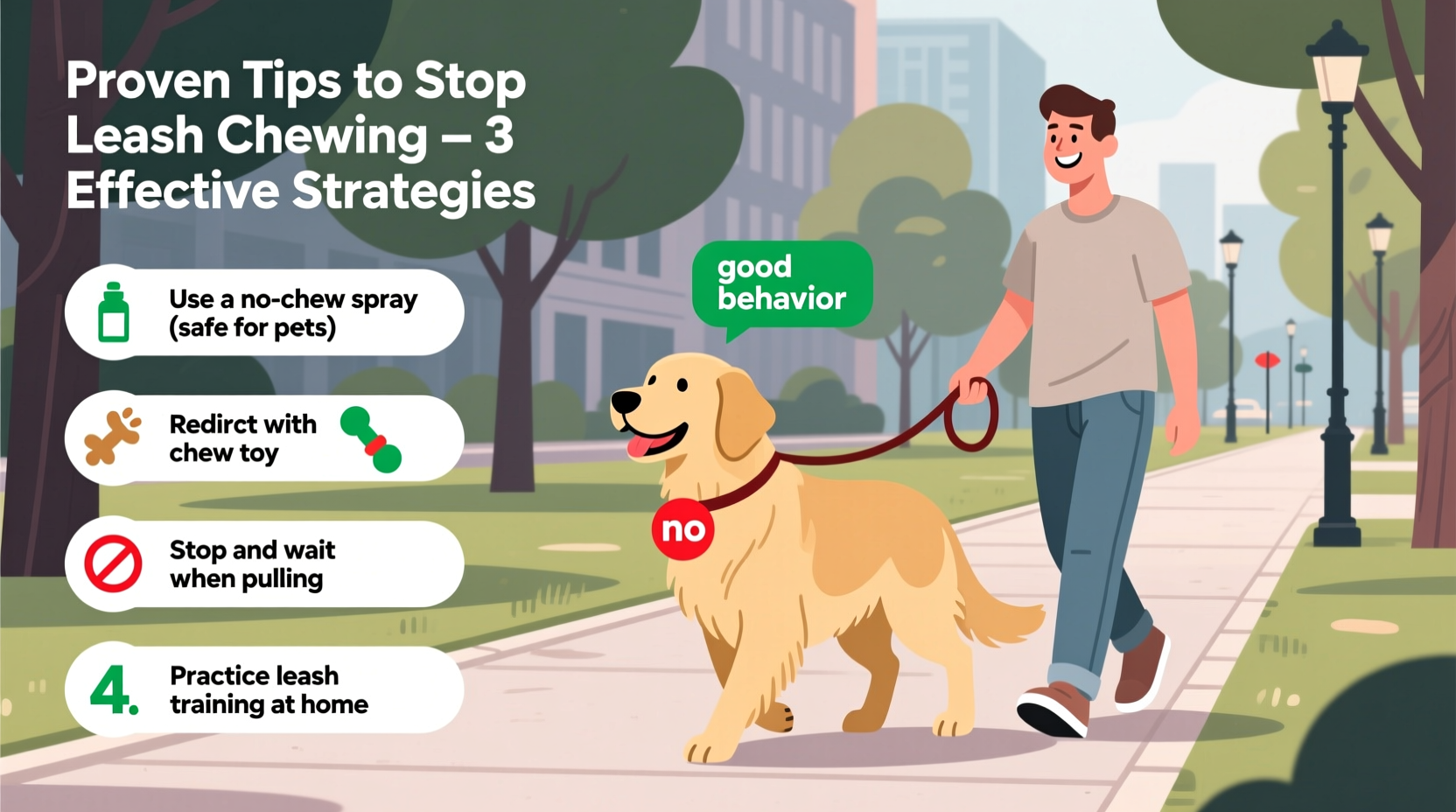
Dogs are naturally drawn to objects in motion, especially those connected to their owners. The leash moves with every step, catching a dog’s attention like a dangling toy. Puppies may chew out of teething discomfort, while adult dogs might do so from overstimulation or boredom. High-energy breeds such as Border Collies or Jack Russell Terriers are particularly prone to this behavior when under-exercised or mentally unstimulated.
In some cases, leash chewing is a displacement behavior—a coping mechanism for stress or anxiety. If your dog lunges at traffic, barks at other animals, or pulls constantly, they may redirect that tension into mouthing the leash. Recognizing these triggers is the first step toward effective intervention.
“Leash chewing isn’t misbehavior—it’s communication. Dogs use their mouths to explore, soothe, and respond to stimuli. Our job is to guide them toward better outlets.” — Dr. Lisa Marrello, Certified Canine Behavior Consultant
Proactive Training Techniques to Redirect the Behavior
Prevention begins before the walk even starts. A well-prepared dog is less likely to engage in unwanted behaviors. Begin by ensuring your dog has had sufficient physical exercise and mental stimulation prior to leaving the house. A short game of fetch or five minutes of puzzle feeding can significantly reduce impulse-driven chewing.
Next, introduce a “leave-it” command during low-distraction environments. Practice with treats on the floor: say “leave it,” cover the treat, and reward only when your dog disengages. Once mastered, apply the cue when the leash is present. Hold the leash loosely and issue the command if your dog shows interest. Reward eye contact or turning away from the leash.
Tip: Always carry high-value treats (like freeze-dried liver) on walks to reinforce good behavior the moment it happens.Step-by-Step Guide: Building Leash Focus
- Pre-walk routine: Engage your dog in 5–10 minutes of calm activity (e.g., sit-stay, gentle petting) to lower arousal levels.
- Leash introduction: Clip the leash on indoors while your dog is relaxed. Ignore any mouthing; wait for them to disengage before proceeding.
- Short indoor sessions: Walk around the house, using verbal praise or treats when the dog ignores the leash.
- Transition outdoors: Start in a quiet area with minimal distractions. Reinforce focus every few steps.
- Gradual exposure: Increase environmental complexity only after consistent success over multiple walks.
Choosing the Right Equipment
Not all leashes are created equal. Some materials invite chewing—nylon with soft coatings, for example, may feel pleasant to a dog’s mouth. Consider switching to a leather or thick, braided rope leash, which are less appealing to chew. Avoid retractable leashes, as their constant movement and thin cord encourage snapping and biting.
Harnesses can also reduce the temptation to grab the leash. Front-clip harnesses gently discourage pulling, which in turn reduces frustration and redirected chewing. When the dog isn’t fighting tension, they’re less likely to fixate on the leash as a target.
| Leash Type | Suitability for Chewers | Why It Works (or Doesn’t) |
|---|---|---|
| Nylon Webbing | Poor | Lightweight and flexible—easy to grab and chew. |
| Leather | Good | Durable, stiff texture deters chewing; ages well with use. |
| Braided Rope | Fair | Textured surface may still attract some dogs. |
| Retractable | Poor | Moving cord encourages snapping; hard to control. |
| Chain (with padded handle) | Excellent | Heavy, metallic taste discourages mouthing; best for strong pullers. |
Real Example: Turning Around a Persistent Chewing Habit
Max, a two-year-old Australian Shepherd, would consistently bite his leash within seconds of stepping outside. His owner reported that walks were stressful, often ending early due to Max’s fixation. A trainer assessed the situation and identified two key issues: Max was under-exercised and overly aroused by neighborhood squirrels.
The solution involved a three-phase plan. First, Max began receiving 20 minutes of fetch and 10 minutes of scent work before each walk. Second, the owner switched to a front-clip harness and leather leash. Third, they practiced “focus” training in the driveway, rewarding Max for looking at them instead of the leash. Within three weeks, Max stopped chewing the leash entirely and began walking calmly beside his owner, even passing squirrels without reaction.
Common Mistakes That Worsen the Problem
- Punishing the behavior: Yelling or jerking the leash increases anxiety and may reinforce the dog’s fixation.
- Inconsistent responses: Allowing chewing sometimes but not others confuses the dog about expectations.
- Using the leash as a toy: Playing tug with the leash during training sends mixed signals.
- Skipping pre-walk preparation: Expecting a high-energy dog to behave without mental warm-up sets them up to fail.
Checklist: Preventing Leash Chewing in 7 Steps
- ✅ Ensure your dog gets adequate daily exercise and mental stimulation.
- ✅ Practice “leave it” and “focus” commands in distraction-free areas.
- ✅ Use a durable, less chewable leash material (leather or chain).
- ✅ Switch to a front-clip harness to reduce pulling and tension.
- ✅ Carry high-value treats on walks to reward calm behavior instantly.
- ✅ Begin walks with a calming pre-outing routine.
- ✅ Avoid retractable leashes and inconsistent corrections.
Frequently Asked Questions
Is leash chewing a sign of aggression?
No, leash chewing is rarely linked to aggression. It’s typically rooted in excitement, anxiety, or oral fixation. True aggression involves stiff body language, growling, or lunging unrelated to the leash itself.
Can I use bitter sprays to deter chewing?
Bitter deterrent sprays can be used temporarily, but they should not replace training. Over-reliance on aversive tastes may cause confusion or fear. Use them in conjunction with positive reinforcement, not as a standalone fix.
How long does it take to stop leash chewing?
With consistent training, most dogs show improvement within 2–4 weeks. Full resolution depends on the dog’s age, energy level, and history of reinforcement. Patience and daily practice are essential.
Conclusion: Building Calm, Confident Walks Together
Stopping leash chewing isn’t about suppressing a bad habit—it’s about building a better relationship through communication and consistency. Every walk is an opportunity to reinforce trust, focus, and mutual respect. By addressing the underlying causes, choosing the right tools, and applying proven techniques, you can transform chaotic outings into peaceful, enjoyable experiences.
💬 Have a dog that used to chew the leash but now walks calmly? Share your story in the comments—your experience could inspire another pet owner on the same journey.








