Dogs are naturally curious, and their inquisitive nature often leads them to investigate — and sometimes consume — things they shouldn’t. One surprisingly common but dangerous habit is eating cat litter. While it may seem like a minor quirk, ingesting used litter can lead to serious health issues, including intestinal blockages, bacterial infections, and parasite transmission. Preventing this behavior isn’t just about discipline; it requires understanding the root causes and implementing consistent, practical solutions. This guide outlines proven strategies to stop your dog from eating cat litter and keep both pets safe and healthy.
Why Dogs Eat Cat Litter: Understanding the Behavior
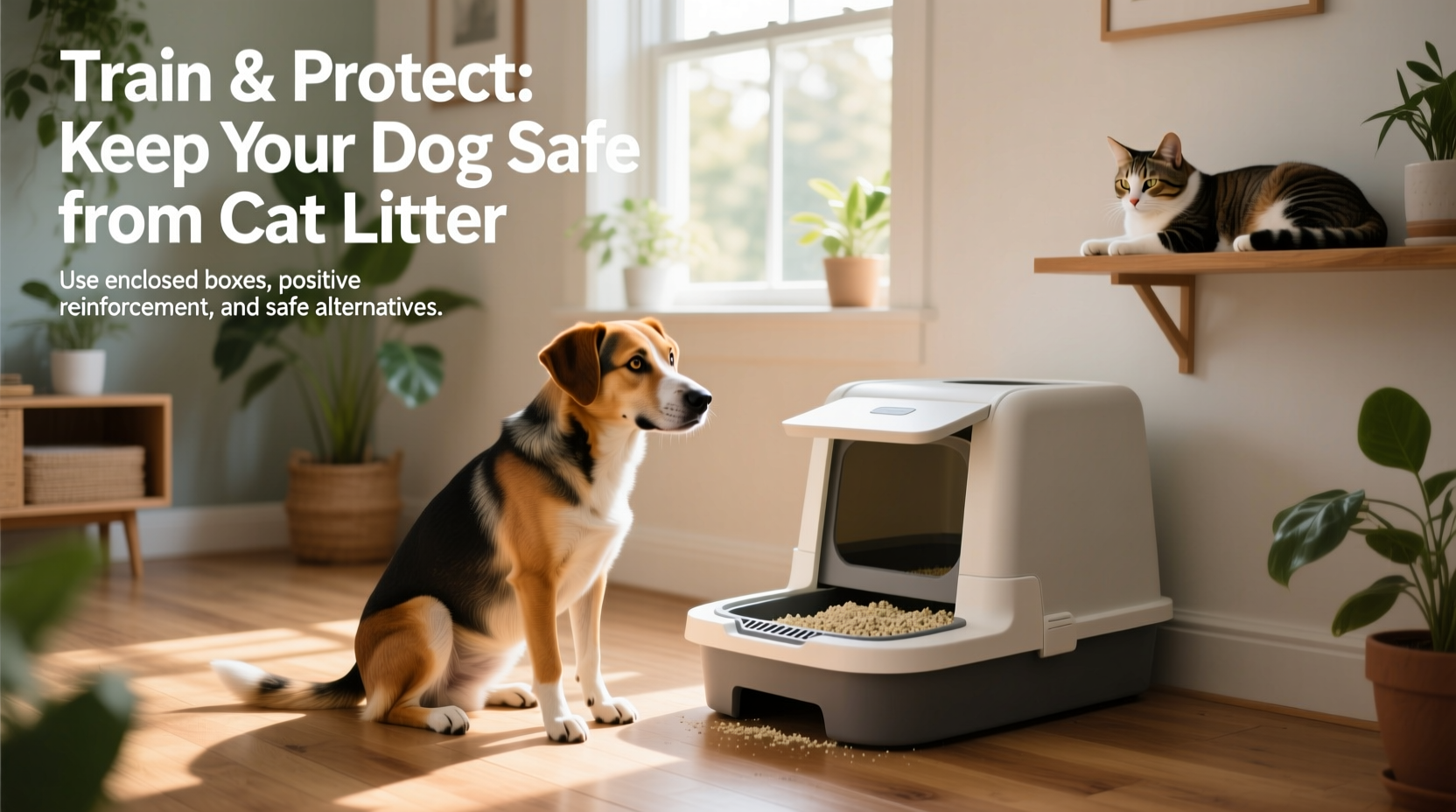
Dogs are scavengers by instinct. Their sense of smell is tens of thousands of times more sensitive than humans’, making the scent of used cat litter highly intriguing. The litter box often contains remnants of undigested food, cat feces, and urine — all of which emit strong odors that can attract dogs looking for a snack or simply exploring.
Beyond curiosity, several underlying factors contribute to this behavior:
- Nutritional deficiencies: Some dogs eat non-food items due to missing nutrients, a condition known as pica.
- Boredom or anxiety: Lack of stimulation or separation anxiety can trigger destructive or compulsive behaviors.
- Attention-seeking: If the dog has been rewarded (even unintentionally) with attention after approaching the litter box, the behavior may be reinforced.
- Puppy habits: Young dogs explore the world with their mouths and may not yet distinguish between edible and inedible items.
Addressing these root causes is essential for long-term success.
Tip: Monitor your dog’s diet and consult your veterinarian if you notice unusual cravings for non-food items — it could signal an underlying medical issue.Step-by-Step Guide to Block Access to the Litter Box
The most effective way to prevent litter consumption is to eliminate access. Here’s a step-by-step approach to securing the litter box:
- Relocate the litter box: Move it to a room with a baby gate or pet door that only the cat can access. Cats can jump or squeeze through small openings; dogs typically cannot.
- Install a cat-only entry system: Use a microchip-activated or magnetic collar-enabled litter box enclosure. These devices open only when the cat approaches, keeping dogs out completely.
- Elevate the litter box: Place it on a sturdy shelf or counter that the cat can jump to, but the dog cannot reach.
- Use covered or top-entry litter boxes: These designs make it harder for dogs to peer in or dig around, though some determined dogs may still try.
- Supervise interactions: Until the behavior stops, monitor your dog closely when near the litter area, especially after the cat uses it.
Consistency is key. Even occasional access can reinforce the habit, so ensure the barrier remains reliable at all times.
Training Techniques to Discourage the Behavior
While physical barriers help, training your dog to avoid the litter area entirely builds long-term reliability. Positive reinforcement works best.
Start by teaching the “leave it” command:
- Hold a treat in your closed hand and let your dog sniff it.
- When they pull back or stop pawing, say “leave it” and immediately reward with a different treat from your other hand.
- Repeat until your dog looks away upon hearing the cue.
- Gradually increase difficulty by placing treats on the floor and covering them with your hand when saying “leave it.”
Once mastered, apply the command near the litter box. Reward your dog for ignoring it or walking away. Never punish your dog after the fact — this creates fear without teaching the desired behavior.
“Preventing access combined with positive reinforcement training yields the highest success rate in stopping dogs from consuming cat waste.” — Dr. Laura Bennett, DVM, Canine Behavior Specialist
Health Risks of Eating Cat Litter: What You Need to Know
Many pet owners underestimate the dangers of this habit. Consuming cat litter isn’t just gross — it’s potentially life-threatening.
| Risk | Description | Symptoms to Watch For |
|---|---|---|
| Intestinal Blockage | Clumping litter expands in moisture and can form solid masses in the digestive tract. | Vomiting, constipation, lethargy, loss of appetite |
| Parasite Transmission | Dogs can contract parasites like hookworms or toxoplasmosis from infected cat feces. | Diarrhea, weight loss, fever, neurological issues (in severe cases) |
| Bacterial Infections | Feces harbor harmful bacteria such as E. coli and Salmonella. | Severe gastrointestinal distress, dehydration, sepsis |
| Chemical Exposure | Scented litters or deodorizers may contain toxic essential oils or phenols. | Drooling, tremors, difficulty breathing |
If your dog eats a significant amount of litter or feces, contact your veterinarian immediately. Early intervention can prevent hospitalization or surgery.
Checklist: How to Keep Your Dog Away from Cat Litter
Use this actionable checklist to create a safe environment for both pets:
- ✅ Relocate the litter box to a dog-inaccessible room
- ✅ Install a cat-only entry gate or electronic door
- ✅ Scoop the litter box daily (reduces odor appeal)
- ✅ Train your dog with the “leave it” command
- ✅ Provide mental stimulation (toys, puzzles, walks) to reduce boredom
- ✅ Switch to unscented, non-clumping litter (less attractive and safer)
- ✅ Supervise your dog in areas where the litter box is located
- ✅ Consult your vet if the behavior persists (rule out medical causes)
Real Example: Solving the Problem in a Multi-Pet Home
The Thompson family had a persistent problem: their two-year-old Labrador, Max, kept eating from their Siamese cat Luna’s litter box. Despite cleaning it daily, Max would rush in whenever someone opened the bathroom door. Concerned about his recurring stomach upset, they consulted a pet behaviorist.
The solution was multi-layered. First, they installed a baby gate across the hallway, with a small opening fitted with a magnetic cat flap that responded to Luna’s collar. Next, they began training Max using the “leave it” command, rewarding him with high-value treats when he ignored the litter area. They also added puzzle feeders and longer evening walks to address his boredom.
Within three weeks, Max stopped attempting to access the litter box. His digestive issues resolved, and both pets adapted well to the new routine. The key, they said, was consistency — and not giving in during moments of laziness.
Frequently Asked Questions
Is cat litter toxic to dogs?
Some types can be. Clumping litter made from sodium bentonite can expand in the digestive tract and cause blockages. Scented litters may contain essential oils toxic to dogs. While small amounts may pass without issue, larger ingestions require veterinary attention.
Can eating cat poop make my dog sick?
Yes. Cat feces can carry parasites like roundworms and toxoplasmosis, as well as harmful bacteria such as Salmonella. Even indoor cats can be carriers, so it’s best to prevent exposure altogether.
How can I make the litter box less appealing to my dog?
Keep it clean — scoop daily to reduce odor. Use unscented, non-clumping litter. Position it in a location that’s easy for the cat but hard for the dog to reach. Consider adding a cover or motion-activated deterrent (like a sound emitter) near the box.
Conclusion: Protect Both Pets with Smart Prevention
Stopping your dog from eating cat litter isn’t just about cleanliness — it’s a crucial part of responsible pet ownership. With a combination of environmental management, consistent training, and awareness of health risks, you can eliminate this dangerous habit for good. Start by securing the litter box, then reinforce boundaries through positive training. Monitor your dog’s behavior, and don’t hesitate to seek professional help if the problem persists.
💬 Have a tip that worked for your pets? Share your experience in the comments and help fellow pet owners create safer, happier homes!








