Dogs chewing on their beds is more than just a nuisance—it can signal underlying issues ranging from boredom to anxiety or even nutritional deficiencies. While occasional gnawing might seem harmless, persistent destruction of bedding poses health risks, including ingestion of foam or fabric, and can strain the bond between pet and owner. The good news? With consistent, targeted interventions, this behavior can be corrected for good. This guide outlines proven, humane, and practical strategies grounded in canine psychology and veterinary insight to help you resolve destructive chewing permanently.
Understand Why Dogs Chew Their Beds
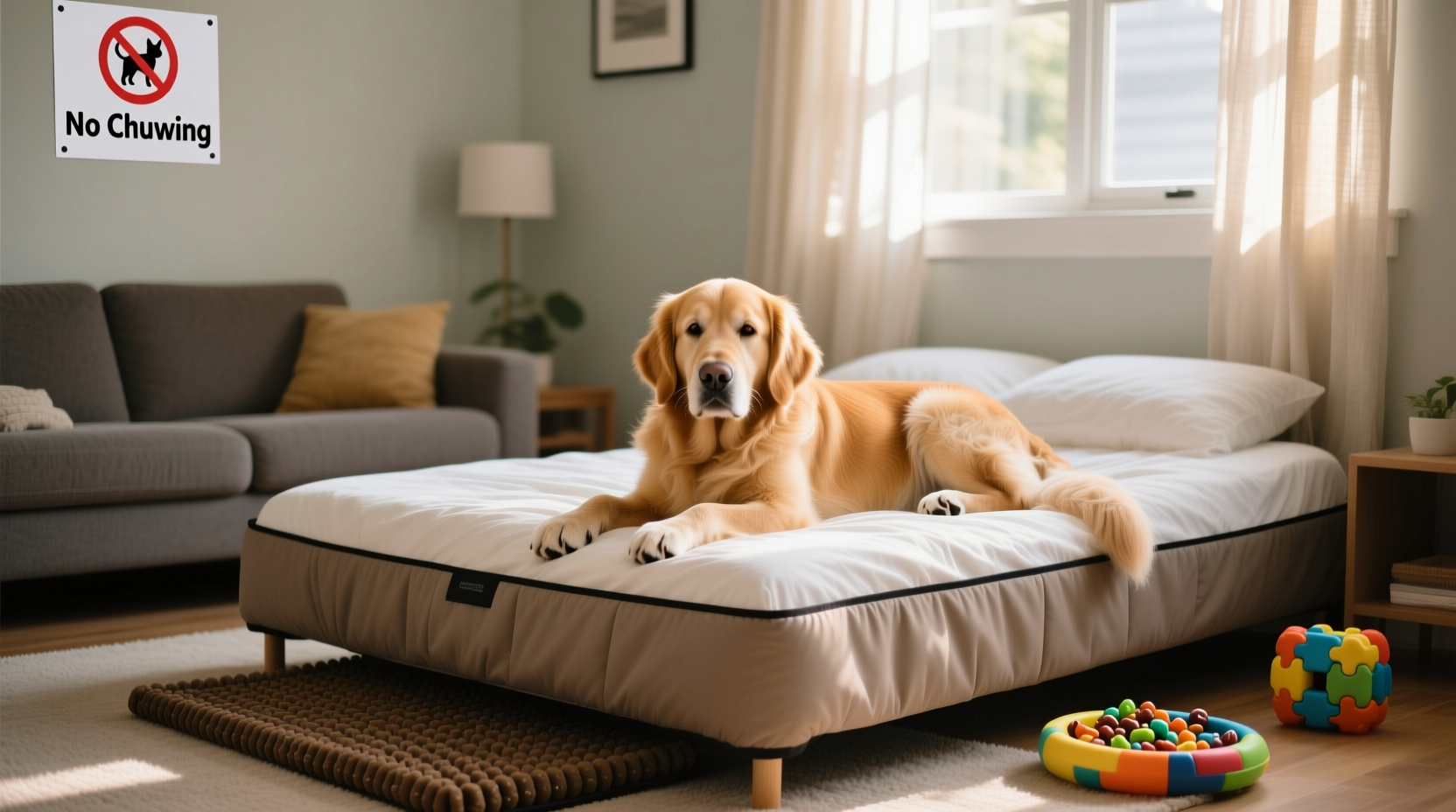
Before implementing solutions, it's crucial to identify the root cause. Dogs don’t chew randomly; the behavior serves a purpose. Common triggers include:
- Boredom: Lack of mental stimulation or physical exercise often leads dogs to seek out activities—even destructive ones.
- Anxiety: Separation anxiety, noise phobias, or changes in routine can manifest as chewing.
- Teething: Puppies between 3–6 months frequently chew to relieve gum discomfort.
- Attention-seeking: If chewing has previously resulted in interaction (even scolding), the dog may repeat the behavior for engagement.
- Nutritional gaps: In rare cases, pica (eating non-food items) may stem from mineral deficiencies.
Addressing the behavior without diagnosing its origin is like treating a fever without checking for infection—it might subside temporarily but will likely return.
“Destructive chewing is rarely about defiance. It’s communication. Your dog is telling you something is missing—whether it’s stimulation, security, or structure.” — Dr. Lena Torres, DVM, Canine Behavior Specialist
Step-by-Step Guide to Stop Bed Chewing
Resolving this issue requires a multi-phase approach. Follow these steps systematically for long-term success:
- Remove access temporarily: Take the bed away during unsupervised periods. Replace it only once positive behaviors are established.
- Assess daily enrichment: Ensure your dog gets at least 30–60 minutes of physical exercise and 15–30 minutes of mental stimulation (e.g., puzzle toys, training) daily.
- Introduce alternative chew outlets: Provide durable, safe chew toys made from rubber or nylon. Rotate them weekly to maintain novelty.
- Use taste deterrents: Spray bitter apple or citrus-based repellents on the bed’s corners—the areas most prone to chewing.
- Reintroduce the bed under supervision: Allow access only when you’re present. Reward calm behavior with treats or praise.
- Gradually increase unsupervised time: Start with 5-minute intervals, extending as your dog shows restraint.
- Maintain consistency: Everyone in the household must respond the same way to chewing attempts—no mixed signals.
Environmental Adjustments That Make a Difference
Your dog’s environment plays a pivotal role in behavioral outcomes. Small modifications can significantly reduce temptation and stress.
| Factor | Problematic Setup | Recommended Fix |
|---|---|---|
| Bed Material | Foam-filled, soft fabric beds | Switch to chew-resistant options: canvas, ballistic nylon, or orthopedic beds with reinforced seams |
| Location | Isolated room with no visibility | Place bed in a shared space where your dog feels secure and included |
| Stimuli | No toys or enrichment nearby | Keep 2–3 approved chew toys within reach |
| Routine | Inconsistent schedule | Feed, walk, and play at the same times daily to reduce anxiety |
A well-designed environment reduces the need for destructive coping mechanisms. For example, a dog left alone for eight hours with no toys or prior exercise is far more likely to chew than one who had a morning walk and a filled puzzle toy.
Real Example: How Max Stopped Destroying His Bed
Max, a 14-month-old Australian Shepherd, was demolishing his memory foam bed every few days. His owners initially assumed he was “just being stubborn.” A consultation with a certified dog trainer revealed key insights: Max received only short walks and minimal training, spent most of the day alone, and showed signs of separation anxiety—whining when left, pacing, and excessive licking.
The solution involved three pillars:
- Increased physical activity: Two 45-minute walks plus 20 minutes of fetch daily.
- Mental engagement: Training sessions using positive reinforcement and rotating food-dispensing toys.
- Environmental change: Replaced the foam bed with a heavy-duty canvas mat and placed it near the living area.
Within three weeks, Max stopped chewing the bed. By week six, he would lie on it calmly even when home alone. The transformation wasn’t due to punishment but rather meeting his unmet needs.
Checklist: 7 Actions to Prevent Bed Chewing
Use this checklist to ensure you’re covering all critical areas:
- ✅ Rule out medical issues with a vet visit
- ✅ Remove the bed when unsupervised
- ✅ Provide at least two durable chew toys
- ✅ Apply a pet-safe bitter spray to the bed
- ✅ Increase daily physical and mental exercise
- ✅ Reinforce calm behavior with treats or affection
- ✅ Use a crate or gated area if necessary for management
Frequently Asked Questions
Can I punish my dog for chewing the bed?
No. Punishment after the fact confuses dogs and damages trust. Instead, focus on prevention and redirection. If you catch your dog in the act, interrupt with a neutral sound (“eh-eh”) and immediately offer an appropriate chew toy.
How long does it take to stop this behavior?
With consistent effort, most dogs improve within 2–6 weeks. Puppies may take longer due to teething and shorter attention spans. Patience and repetition are essential.
Should I get rid of the bed permanently?
Not necessarily. Once your dog learns appropriate behavior, you can reintroduce the bed gradually. Some dogs simply need a sturdier, less tempting option.
Conclusion: Building Lasting Change Through Consistency
Stopping your dog from chewing their bed isn’t about quick fixes—it’s about understanding their needs and reshaping their environment and routine. When you replace destructive habits with constructive outlets, you’re not just saving a piece of furniture; you’re strengthening your dog’s emotional well-being and deepening your relationship. The strategies outlined here work because they address causes, not symptoms. Begin today by assessing your dog’s daily routine, removing access to the bed when needed, and introducing positive alternatives. Small, consistent actions lead to permanent results.
💬 Have a success story or a challenge with dog chewing? Share your experience in the comments—your insight could help another pet parent turn frustration into progress.








