Dogs chewing their tails until the skin becomes raw is more than just a nuisance—it’s a sign of underlying distress, whether physical or psychological. This compulsive behavior can lead to painful sores, infections, and prolonged discomfort if not addressed promptly. Understanding why dogs engage in this self-harm and taking targeted steps to interrupt the cycle are essential for both prevention and recovery. From identifying root causes to implementing behavioral and medical interventions, this guide provides actionable, science-backed strategies to help your dog heal and stay healthy.
Understanding Why Dogs Chew Their Tails
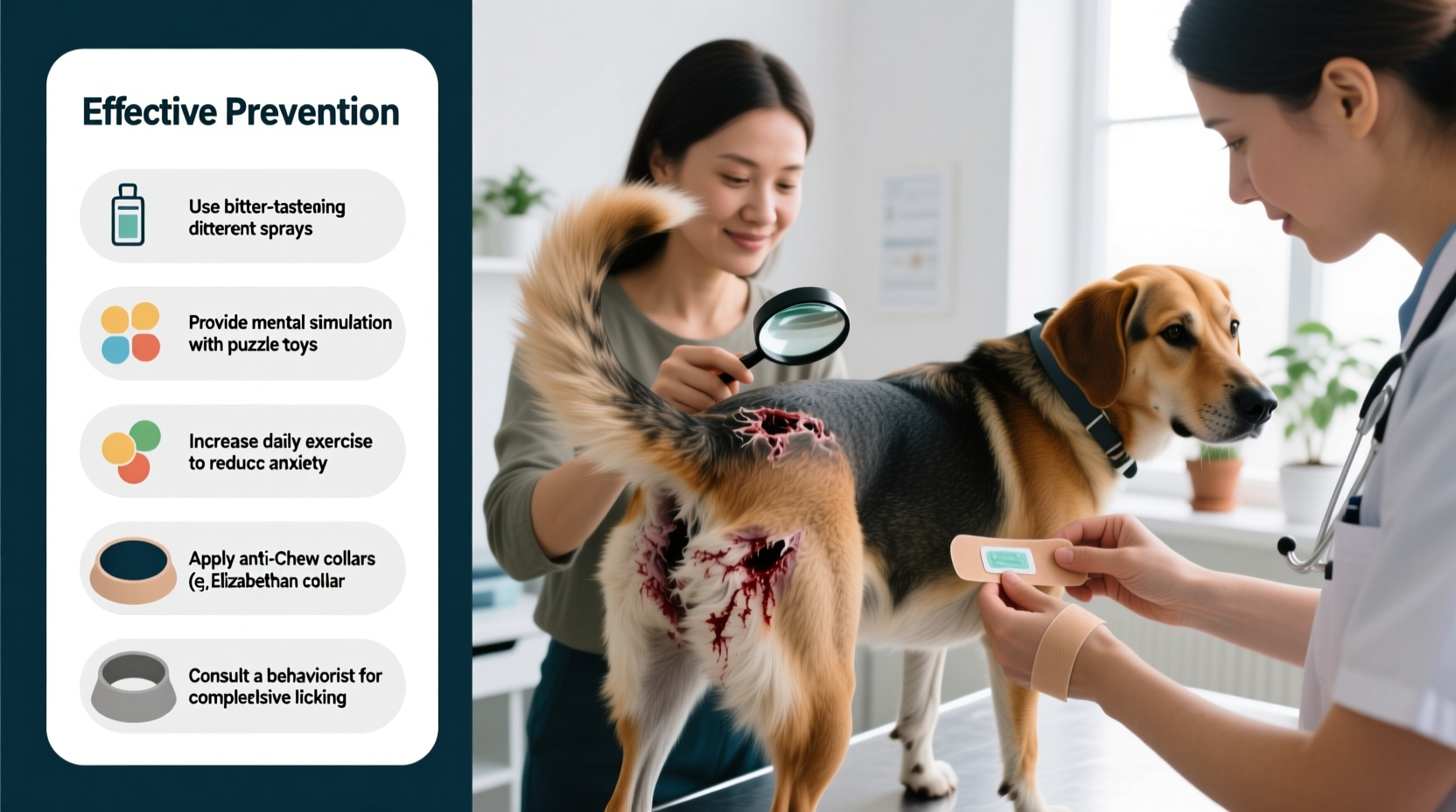
Tail-chewing isn't random; it's often a response to pain, irritation, or emotional imbalance. Common triggers include flea infestations, allergies, impacted anal glands, skin infections, or even boredom and anxiety. Some breeds—like German Shepherds and Labradors—are more prone to obsessive-compulsive behaviors that manifest as tail chasing or biting.
When a dog repeatedly bites or licks one area, it may start as an attempt to relieve itching or discomfort but quickly escalates into a habit. The release of endorphins during repetitive licking can create a self-rewarding loop, making the behavior difficult to break without intervention.
“Persistent tail chewing is rarely just a bad habit. It’s usually a symptom of something deeper—whether dermatological, neurological, or behavioral.” — Dr. Lena Patel, DVM, Veterinary Behavior Specialist
Step-by-Step Guide to Stop Tail Chewing and Encourage Healing
Stopping the behavior and allowing the wound to heal requires a structured approach. Follow these steps in sequence for best results:
- Inspect the tail area thoroughly. Look for signs of redness, swelling, open wounds, parasites, or discharge. Note any odor, which could indicate infection.
- Visit your veterinarian. A professional evaluation can rule out medical conditions like allergies, infections, or anal gland issues.
- Clean the wound gently. Use a mild antiseptic solution (e.g., diluted chlorhexidine) and apply a pet-safe antimicrobial ointment if recommended.
- Use a protective barrier. An Elizabethan collar (cone), soft neck brace, or specially designed recovery suit can prevent further access to the tail while healing occurs.
- Address the root cause. Whether it’s treating fleas, adjusting diet for food allergies, or managing anxiety, eliminating the trigger is critical.
- Introduce environmental enrichment. Increase mental stimulation through puzzle toys, training sessions, and daily walks to reduce stress-related chewing.
- Monitor progress daily. Track changes in the wound and behavior. If improvement stalls, revisit your vet.
Common Causes and Solutions at a Glance
| Cause | Symptoms | Solutions |
|---|---|---|
| Fleas or mites | Intense itching, scabs, hair loss near base of tail | Veterinary-prescribed flea treatment, thorough home cleaning |
| Allergies (food/environmental) | Chronic licking, ear infections, paw biting | Elimination diet, allergy testing, antihistamines (under vet guidance) |
| Impacted anal glands | Scooting, foul odor, frequent licking under tail | Manual expression by vet, dietary fiber adjustment |
| Boredom or anxiety | Tail chasing when left alone, destruction, pacing | Increased exercise, interactive toys, behavior modification |
| Skin infection (bacterial/fungal) | Red, oozing sores, crusty patches | Topical or oral antibiotics/antifungals, medicated shampoos |
Real-Life Example: Max the Border Collie
Max, a 3-year-old Border Collie, began obsessively chewing the tip of his tail after his family adopted a second dog. Initially dismissed as adjustment stress, the behavior worsened over six weeks, resulting in a raw, infected wound. His owners brought him to a veterinary behaviorist who diagnosed separation anxiety exacerbated by resource competition. Max was receiving less attention, triggering displacement behaviors like tail biting.
The treatment plan included daily off-leash runs, structured obedience training, pheromone diffusers at home, and a short course of anti-anxiety medication. A cone was used temporarily to allow the wound to heal. Within two months, Max’s tail had fully recovered, and the chewing stopped completely. His case underscores how emotional stress can manifest physically—and how a multifaceted approach leads to lasting change.
Actionable Checklist: What You Can Do Today
- ✅ Examine your dog’s tail and rear end for cuts, swelling, or parasites.
- ✅ Schedule a vet appointment to rule out medical causes.
- ✅ Clean any open wound with a vet-approved antiseptic.
- ✅ Apply a protective collar or recovery wrap to prevent further damage.
- ✅ Increase daily physical and mental exercise (e.g., scent games, fetch, training).
- ✅ Eliminate potential allergens—switch to a hypoallergenic diet if advised.
- ✅ Use calming aids (thundershirt, pheromone spray) if anxiety is suspected.
- ✅ Keep a behavior journal tracking when chewing occurs and possible triggers.
FAQ: Common Questions About Tail Chewing
Can I use human antiseptics on my dog’s chewed tail?
No. Many human products contain alcohol, iodine, or essential oils that are toxic to dogs or can delay healing. Always use a pet-safe cleanser recommended by your veterinarian.
How long does it take for a chewed tail to heal?
With proper care and prevention of re-injury, superficial wounds typically heal within 7–14 days. Deep or infected lesions may require several weeks and prescription treatments.
Is tail amputation ever necessary?
In rare cases where chronic trauma leads to irreversible damage or neuromas (nerve tumors), partial amputation may be considered. However, this is a last resort after all behavioral and medical options have been exhausted.
Tip: Rotate your dog’s toys weekly to maintain novelty and engagement—boredom is a major contributor to compulsive behaviors.Preventing Relapse and Supporting Long-Term Wellness
Healing the wound is only half the battle. Preventing recurrence means addressing lifestyle factors that contribute to stress or overstimulation. Consistent routines, clear boundaries, and positive reinforcement training help build a secure, confident dog less likely to resort to self-soothing behaviors.
Consider working with a certified canine behavior consultant if the chewing persists despite medical treatment. Cognitive-behavioral techniques, such as redirection and counter-conditioning, can reshape your dog’s response to triggers. For example, teaching a “look at me” command when your dog begins to fixate on its tail can interrupt the impulse before it escalates.
Nutrition also plays a role. Omega-3 fatty acids found in fish oil supplements support skin health and reduce inflammation, potentially decreasing itch-driven chewing. Probiotics may improve gut health, which is increasingly linked to immune function and even mood regulation in dogs.
Conclusion: Act Now, Heal Holistically
A dog chewing its tail raw is sending a clear distress signal—one that demands compassionate, informed action. By combining veterinary medicine with behavioral insight and daily preventive care, you can stop the damage, support healing, and restore your dog’s comfort and confidence. Don’t wait for the wound to worsen or the habit to solidify. Start today: inspect, consult, protect, and enrich. Your dog’s well-being depends on your proactive response.
💬 Have experience helping a dog overcome tail chewing? Share your story in the comments to support other pet owners facing the same challenge.








