Destructive chewing is one of the most common behavioral challenges faced by dog owners. While it’s natural for dogs—especially puppies—to explore the world through their mouths, unchecked chewing can lead to damaged furniture, shoes, electronics, and even safety hazards. The key to solving this issue lies not in punishment, but in understanding the root causes and implementing consistent, humane strategies. From mental stimulation to environmental management, a multi-pronged approach delivers long-term results.
Understanding Why Dogs Chew
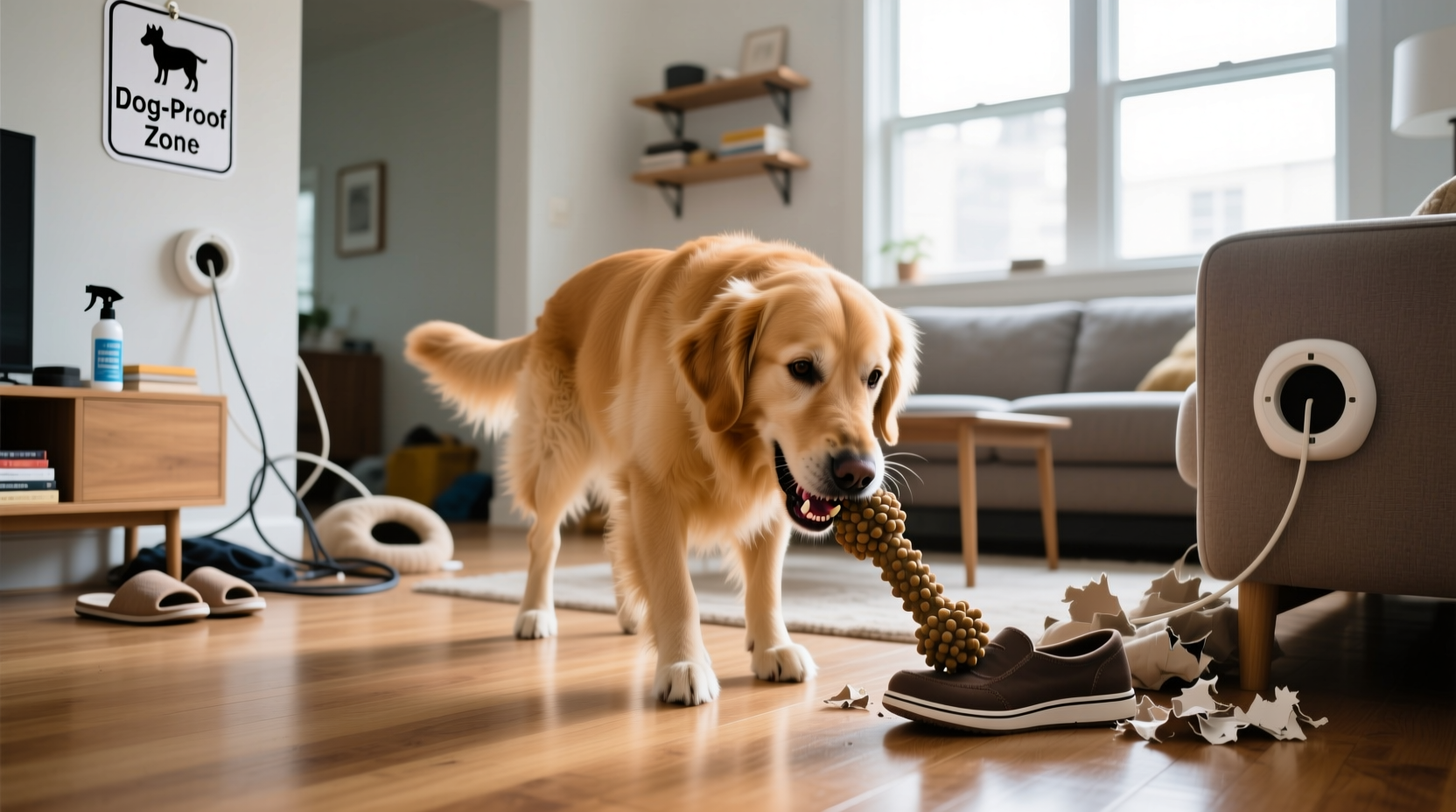
Chewing is instinctual. Puppies chew to relieve teething discomfort, while adult dogs may chew out of boredom, anxiety, or lack of appropriate outlets. Some dogs also chew due to separation distress or insufficient physical activity. Recognizing the underlying cause is essential before applying corrective measures.
For example, a puppy between 3 and 6 months old will chew more frequently as adult teeth emerge. An older dog left alone for long hours may resort to destructive behavior due to stress. Identifying whether the chewing is developmental, emotional, or environmental helps tailor the solution effectively.
“Dogs don’t chew to spite you—they chew because their needs aren’t being met. Address the need, and the behavior often resolves.” — Dr. Karen Becker, Veterinary Advocate and Animal Behavior Specialist
Step-by-Step Guide to Reducing Destructive Chewing
Preventing unwanted chewing requires proactive effort and consistency. Follow this timeline-based approach to create lasting change:
- Days 1–3: Assess and Secure the Environment
Remove or secure all tempting items—shoes, cords, books, remotes. Use baby gates or close doors to restrict access to high-risk areas. - Days 4–7: Introduce Appropriate Chew Toys
Provide a variety of safe, durable chew toys made from rubber, nylon, or dental-friendly materials. Rotate them weekly to maintain interest. - Weeks 2–3: Establish a Routine
Implement regular walks, play sessions, and short training exercises (e.g., 10 minutes twice daily) to meet physical and mental needs. - Week 4 and Beyond: Reinforce Positive Behavior
Praise and reward your dog when they choose a toy over household items. Use treats or verbal encouragement consistently.
Essential Prevention Tools and Techniques
Managing your dog’s environment is just as important as training. Combine supervision with practical tools to minimize opportunities for destructive chewing.
| Tool/Method | How It Helps | Best For |
|---|---|---|
| Bitter apple spray | Makes objects taste unpleasant, deterring chewing | Furniture legs, baseboards, cords |
| Crate training | Provides a safe space and prevents unsupervised access to off-limit areas | Dogs prone to anxiety or isolation chewing |
| Interactive puzzle toys | Engages the mind, reducing boredom-related chewing | High-energy or intelligent breeds |
| Exercise schedule | Burns excess energy that might otherwise fuel destructive habits | All dogs, especially adolescents |
Real Example: Turning Around Max’s Chewing Habit
Max, a 9-month-old Labrador mix, was destroying his owner’s sneakers and gnawing on the couch corners within hours of being left alone. His owner initially tried scolding him, but the behavior worsened. After consulting a trainer, they implemented a structured plan: Max began receiving two 30-minute walks daily, had access to frozen Kongs during solo time, and was crated when unsupervised. Bitter spray was applied to vulnerable furniture. Within three weeks, the destruction stopped. Max now chooses his rope toy over household items, demonstrating how environment and routine shape behavior.
Common Mistakes That Worsen the Problem
Well-intentioned actions can sometimes reinforce bad habits. Avoid these pitfalls:
- Using physical punishment: This creates fear and erodes trust without teaching the dog what to do instead.
- Leaving inappropriate items within reach: Shoes left on the floor become fair game, even if previously scolded for chewing them.
- Inconsistent rules: Allowing chewing on one slipper but not another confuses the dog.
- Ignoring mental needs: A physically tired dog can still be mentally restless and prone to chewing.
Checklist: Prevent Chewing in 7 Daily Actions
Use this checklist each day to stay on track:
- ✅ Remove or secure tempting objects (cords, shoes, books).
- ✅ Provide at least two different types of chew toys (e.g., rubber and fabric).
- ✅ Engage in 15–30 minutes of active play or training.
- ✅ Offer a stuffed food toy (Kong, snuffle mat) during downtime.
- ✅ Apply deterrent sprays to problem areas as needed.
- ✅ Supervise closely when your dog is loose in the house.
- ✅ Praise and reward your dog when they chew appropriately.
FAQ: Common Questions About Dog Chewing
Why does my dog only chew when I’m not home?
This often indicates separation anxiety or boredom. Dogs left alone for extended periods without stimulation may resort to chewing as a coping mechanism. Consider increasing pre-departure exercise, using calming aids like pheromone diffusers, or hiring a dog walker.
Are antler or rawhide chews safe?
They can pose risks such as tooth fractures or choking if large pieces break off. Supervise use and remove any small fragments. Safer alternatives include rubber toys labeled “indestructible” or those designed for aggressive chewers.
How long does it take to stop destructive chewing?
With consistent effort, noticeable improvement typically occurs within 2–4 weeks. Full resolution may take longer, especially if anxiety or deep-seated habits are involved. Patience and persistence are crucial.
Conclusion: Building a Chew-Safe Home Through Understanding
Preventing destructive chewing isn’t about eliminating a dog’s natural instincts—it’s about guiding them toward acceptable outlets. By combining environmental control, mental enrichment, and positive reinforcement, you create a home where both your dog and your belongings thrive. Remember, every chewed shoe is a signal, not a rebellion. Respond with empathy and structure, and you’ll build trust alongside better behavior.
💬 Have a success story or tip that helped curb your dog’s chewing? Share your experience in the comments—your insight could help another pet parent find relief!








