Dog owners often look forward to walks as a chance to bond with their pets and enjoy fresh air. However, when your dog repeatedly bites or chews the leash, it can turn a peaceful outing into a frustrating struggle. Not only does this behavior damage equipment, but it can also compromise safety and training progress. The good news is that leash chewing is a common, fixable issue. With consistent training, environmental management, and an understanding of canine behavior, you can teach your dog to walk calmly without mouthing the leash.
Understanding Why Dogs Bite the Leash
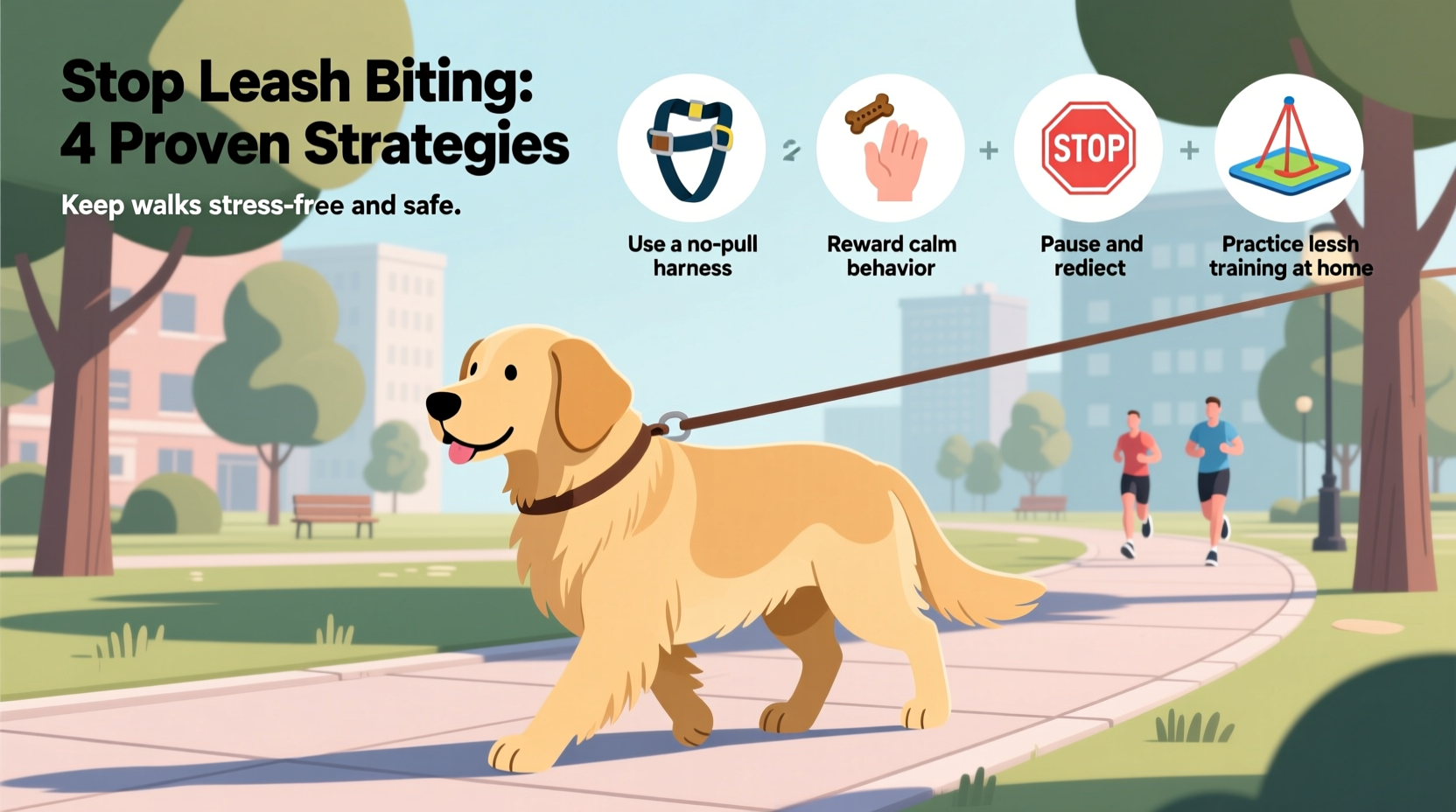
Dogs don’t bite leashes out of defiance��they do so for reasons rooted in instinct, emotion, or unmet needs. Identifying the underlying cause is the first step toward correction.
- Teething (Puppies): Young dogs explore the world with their mouths. If your puppy is between 3–7 months old, they may chew the leash simply because it’s within reach and satisfies their urge to gnaw.
- Overexcitement: Many dogs become hyperstimulated at the start of a walk. The sight of the leash triggers excitement, and chewing becomes a way to release pent-up energy.
- Boredom or Lack of Stimulation: A dog that isn’t mentally or physically challenged may resort to destructive habits like leash chewing.
- Attention-Seeking: If biting the leash has previously earned attention—even negative reactions—it may persist as a learned behavior.
- Anxiety or Fear: Some dogs mouth the leash when nervous, especially in unfamiliar environments or around other animals.
“Leash biting is rarely about aggression. It’s usually a symptom of excess energy, poor impulse control, or inadequate training.” — Dr. Karen Becker, DVM and Animal Behavior Specialist
Proven Training Techniques to Stop Leash Biting
Consistent, positive reinforcement-based training is the most effective way to modify leash-biting behavior. Start early and remain patient—habits take time to change.
Redirect and Reward Alternative Behaviors
When your dog begins to mouth the leash, immediately redirect their attention. Hold a treat or toy near their nose and say “Leave it” or “Look.” Once they disengage from the leash, reward them generously. Over time, they’ll learn that ignoring the leash leads to better outcomes.
Tip: Use high-value treats like small pieces of chicken or cheese during training sessions to maximize motivation.Practice Loose-Leash Walking
Dogs are more likely to bite the leash when they’re pulling or frustrated. Train loose-leash walking using the “stop-and-go” method: whenever your dog pulls or mouths the leash, stop moving. Wait until the leash is slack and they’re calm, then resume walking. This teaches them that tension halts progress, while calmness keeps the walk going.
Desensitize Your Dog to the Leash
Some dogs react impulsively the moment they see the leash. To reduce this overstimulation, practice “leash exposure” at home. Simply hold or drape the leash nearby without attaching it. When your dog remains calm, offer praise or a treat. Gradually increase proximity and handling until they no longer lunge or bite when the leash appears.
Step-by-Step Guide to Eliminate Leash Biting
- Assess the trigger: Observe when and where biting occurs—is it during attachment, at the start of the walk, or throughout?
- Choose a distraction tool: Keep a chew toy or treat pouch ready to redirect attention.
- Begin indoors: Practice leash attachment and short indoor walks in a low-distraction environment.
- Use verbal cues: Introduce commands like “Leave it” or “No bite” consistently.
- Reinforce calm behavior: Reward your dog every time they walk without touching the leash.
- Gradually increase duration: Extend walk length as your dog improves.
- Introduce distractions slowly: Practice in busier areas only after mastery in quiet zones.
Equipment and Environmental Adjustments
Sometimes, the solution lies not just in training, but in modifying tools and routines.
| Strategy | How It Helps | Best For |
|---|---|---|
| Use a hands-free waist leash | Keeps the leash away from your dog’s mouth and frees your hands for treats | Dogs who target hand-held leashes |
| Switch to a metal or bitter-tasting leash | Deters chewing through texture or taste | Persistent chewers |
| Attach a flirt pole or toy to the harness | Gives your dog something legal to focus on instead | High-drive or playful dogs |
| Pre-walk mental exercise | Calms the dog before the walk begins | Overexcited or hyperactive dogs |
Real Example: Turning Around Max’s Leash Biting
Max, a two-year-old Border Collie, would lunge at his leash the moment it came out of the closet. His owner, Sarah, tried scolding him, but the behavior worsened. After consulting a trainer, she implemented a new routine: five minutes of puzzle toy work before walks, followed by practicing leash attachment indoors with treats. She switched to a waist leash and used a “look at me” command when Max showed interest in chewing. Within three weeks, Max stopped biting the leash entirely and began focusing on his handler instead. The key was consistency and addressing his need for mental stimulation before physical activity.
Common Mistakes That Reinforce Leash Biting
Even well-meaning owners can accidentally encourage unwanted behaviors. Avoid these pitfalls:
- Reacting emotionally: Yelling or jerking the leash increases arousal and may reinforce the behavior as a game.
- Inconsistent responses: Allowing chewing sometimes but correcting it others confuses your dog.
- Skipping pre-walk exercise: A dog full of energy is less likely to focus on training.
- Using punishment-based tools: Prong collars or shock leashes may suppress biting but damage trust and increase anxiety.
Frequently Asked Questions
Is leash biting a sign of aggression?
No, in most cases, leash biting is not aggression. It’s typically related to excitement, teething, or lack of training. True aggression involves stiff body language, growling, or avoidance, which should be evaluated by a professional.
How long does it take to stop leash biting?
With consistent training, most dogs improve within 2–4 weeks. Puppies may take longer due to developmental stages, but early intervention speeds up progress.
Can I use a bitter spray on the leash?
Yes, pet-safe bitter sprays can deter chewing. Test on a small area first and reapply as needed. Combine with training for best results—don’t rely solely on taste deterrents.
Checklist: How to Prevent Leash Biting
- ✅ Assess your dog’s motivation for biting (teething, excitement, etc.)
- ✅ Practice leash handling indoors before walks
- ✅ Use high-value treats to reward calm behavior
- ✅ Incorporate pre-walk mental exercises (e.g., obedience drills or puzzles)
- ✅ Switch to a hands-free or chew-resistant leash if needed
- ✅ Stay consistent with verbal cues and consequences
- ✅ Avoid reinforcing the behavior with attention or play
- ✅ Consult a certified dog trainer if progress stalls
Final Thoughts: Building Better Walks Together
Stopping leash biting isn’t just about protecting your gear—it’s about fostering a calmer, more respectful relationship with your dog. By understanding the root causes, applying structured training, and making smart environmental adjustments, you can transform chaotic walks into moments of connection and confidence. Every dog can learn, and every walk is an opportunity to reinforce good habits. Start today with one small change, and watch how quickly your dog responds to patient, positive guidance.
💬 Have a success story or tip for stopping leash biting? Share your experience in the comments and help fellow dog owners create safer, more enjoyable walks!








