Cat owners often face the frustrating challenge of indoor urination—a behavior that not only damages furniture and flooring but also affects household hygiene and emotional well-being. While cats are naturally fastidious creatures, inappropriate elimination can signal stress, medical issues, or dissatisfaction with their environment. Addressing this issue requires more than just cleaning up messes; it demands understanding feline psychology, optimizing litter habits, and creating a stress-free living space. The following strategies offer a comprehensive approach to eliminating indoor urination and restoring peace and freshness to your home.
Understand the Root Causes of Indoor Urination
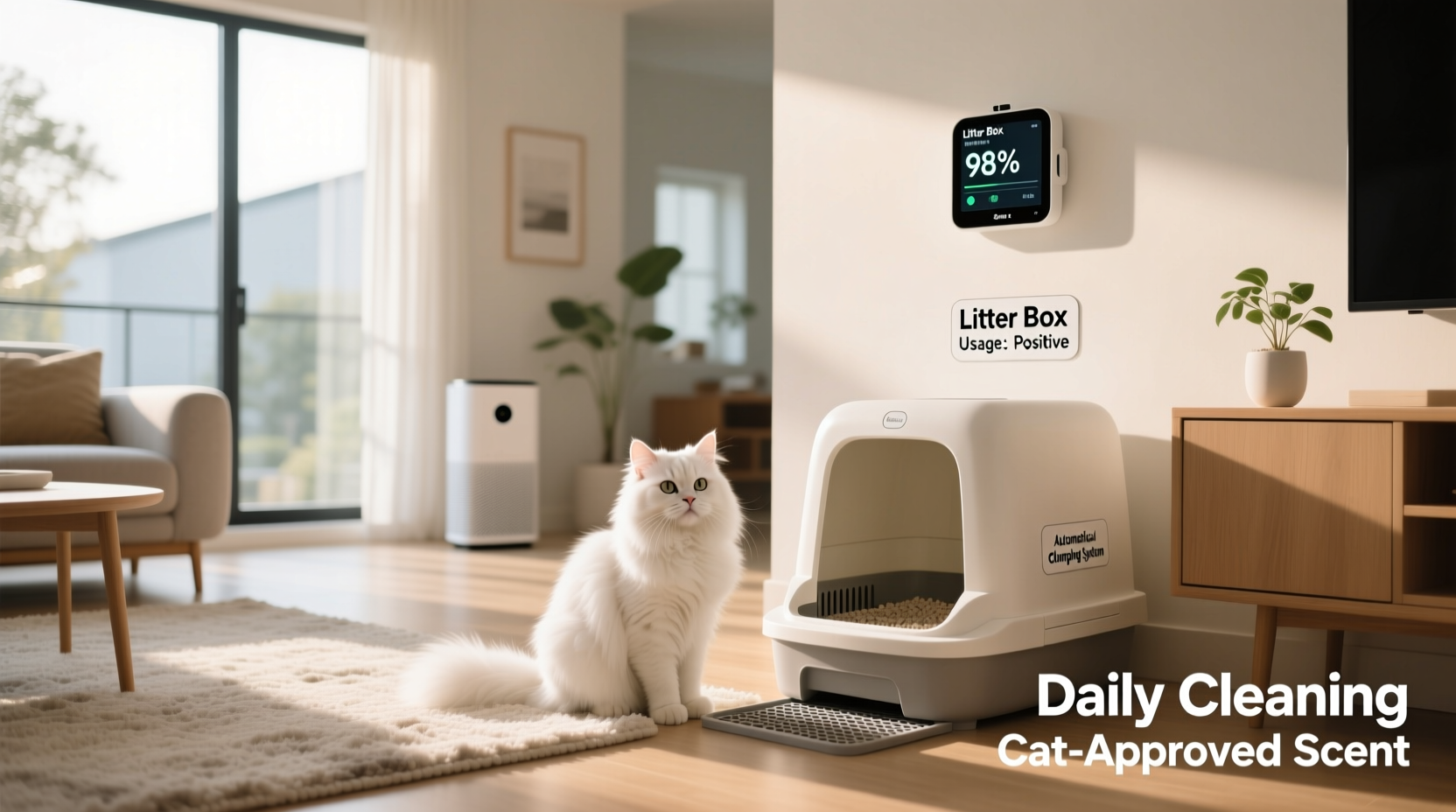
Cats don’t urinate outside the litter box without reason. The first step in solving the problem is identifying whether the cause is medical, behavioral, or environmental. Medical conditions such as urinary tract infections, kidney disease, or diabetes can lead to accidents. If your cat suddenly starts urinating inappropriately, consult a veterinarian immediately.
Behavioral causes include stress from changes in routine, new pets, or household members. Territorial marking—especially in unneutered males—is another common factor. Environmental issues may involve an unclean litter box, poor placement, or insufficient number of boxes. According to Dr. Sarah Ellis, a feline behavior expert at the International Cat Care organization:
“Over 30% of cats presenting with inappropriate elimination have an underlying medical condition. Always rule out health issues before assuming behavioral causes.” — Dr. Sarah Ellis, Feline Behavior Specialist
Optimize Litter Box Management
The litter box is the cornerstone of proper feline bathroom habits. Many cases of indoor urination stem from dissatisfaction with the litter setup. Follow these best practices to ensure your cat feels comfortable using the box:
- Maintain one litter box per cat, plus one extra (e.g., two cats = three boxes).
- Place boxes in quiet, low-traffic areas with easy access.
- Scoop waste daily and change litter completely every 7–10 days.
- Avoid scented litters, which many cats find irritating.
- Use unscented, clumping litter for better odor control and texture preference.
Litter Box Placement Do’s and Don’ts
| Do’s | Don’ts |
|---|---|
| Place boxes on each floor of multi-level homes | Put boxes near loud appliances (washer, dryer) |
| Ensure multiple exit routes (avoid corner traps) | Hide boxes in cramped closets with single entry |
| Keep boxes away from food and water stations | Use covered boxes if your cat dislikes confinement |
| Offer different litter types if preferences are unclear | Use liners if your cat scratches and tears them |
Create a Calm and Predictable Environment
Cats thrive on routine and security. Sudden changes—such as moving furniture, introducing new pets, or construction noise—can trigger stress-related urination. To minimize anxiety:
- Maintain consistent feeding and play schedules.
- Use pheromone diffusers like Feliway to mimic calming facial hormones.
- Provide vertical spaces (cat trees, shelves) for retreat and observation.
- Introduce changes gradually, allowing time for adjustment.
In multi-cat households, competition over resources can lead to marking behavior. Ensure each cat has its own food bowl, sleeping area, and litter box to reduce tension.
Real-Life Example: Resolving Multi-Cat Tension
Sarah from Portland noticed her two cats, Luna and Milo, began urinating on the hallway rug after she adopted Milo. A vet ruled out medical causes, so she consulted a behaviorist. The specialist recommended separating their resources and using Feliway diffusers. Within three weeks, Sarah added a third litter box and created separate feeding zones. The accidents stopped entirely by week five. By addressing territorial stress and improving environmental harmony, Sarah restored balance in her home.
Effective Cleaning and Odor Elimination
Improper cleaning can perpetuate the cycle of indoor urination. Cats have a strong sense of smell and may return to previously soiled areas if traces remain. Standard household cleaners often fail to break down urine enzymes, leaving behind invisible attractants.
Follow this step-by-step guide to eliminate odors permanently:
- Blot fresh urine with paper towels—do not rub.
- Rinse the area with cold water to dilute remaining urine.
- Apply an enzymatic cleaner specifically designed for pet urine (e.g., Nature’s Miracle, Rocco & Roxie).
- Allow the solution to dwell for 5–10 minutes, then blot dry.
- For carpets, use a steam cleaner afterward to extract deep residues.
- Repeat if necessary and avoid ammonia-based products, which mimic urine scent.
Prevention Checklist: 7 Key Actions
Stay proactive with this daily and weekly checklist to prevent future incidents:
- ✅ Scoop all litter boxes every morning
- ✅ Inspect high-risk areas (rugs, sofas, laundry rooms) for dampness
- ✅ Wash bedding and throw rugs weekly in enzyme-safe detergent
- ✅ Rotate playtime to reduce boredom and stress
- ✅ Monitor interactions between pets for signs of conflict
- ✅ Replenish pheromone diffusers monthly
- ✅ Schedule biannual vet checkups to catch health issues early
Frequently Asked Questions
Why does my cat pee on the bed or couch?
This behavior often stems from anxiety or a desire to mark territory with familiar human scents. It may also indicate discomfort with the litter box location or cleanliness. Neutering reduces the likelihood of marking, but stress triggers must still be addressed.
Can diet affect my cat’s urination habits?
Yes. Diets high in minerals can contribute to urinary crystals or infections, especially in male cats. Veterinarians often recommend prescription diets for cats with recurrent urinary issues. Always provide fresh water and consider a cat fountain to encourage hydration.
Is spraying the same as inappropriate urination?
No. Spraying involves small amounts of urine on vertical surfaces and is typically a territorial or stress response. Inappropriate urination usually occurs on horizontal surfaces and may signal medical distress or litter box aversion. Treatments differ, so accurate identification is essential.
Conclusion: A Fresh Home Starts with Understanding
Preventing indoor urination isn’t about punishment—it’s about empathy, consistency, and smart environmental design. By combining veterinary insight, proper litter management, and stress reduction techniques, you can resolve the issue at its core. A fresh-smelling home isn’t achieved through air fresheners alone; it’s built on trust, comfort, and respect for your cat’s natural instincts.
💬 Have a success story or tip that helped stop your cat’s indoor urination? Share your experience in the comments and help fellow cat owners create cleaner, happier homes!








