Cats are naturally curious creatures, and their fascination with water can sometimes lead to playful splashing, pawing, or even tipping over their water bowls. While this behavior might seem harmless—or even amusing—it can create unnecessary messes, promote bacterial growth, and discourage proper hydration. The key is not to suppress your cat’s instincts but to redirect them in a way that supports cleanliness, safety, and peace of mind for both pet and owner. The following strategies offer humane, practical solutions that respect your cat’s nature while maintaining a calm household environment.
Understanding Why Cats Play With Water
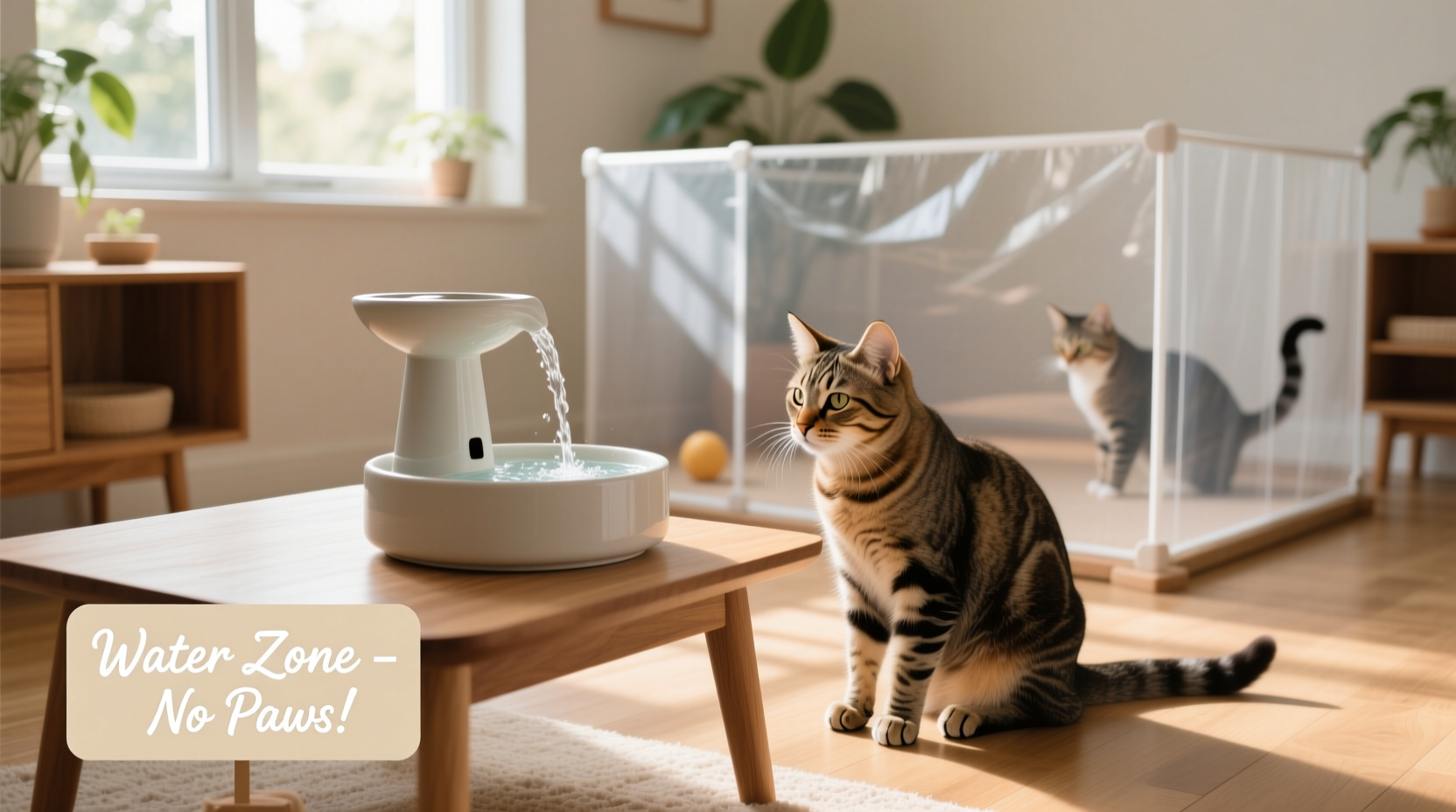
Cats interact with their water bowls for a variety of instinctual and environmental reasons. Some feline behaviors stem from evolutionary adaptations, while others are responses to their immediate surroundings.
- Hunting mimicry: The movement of water may trigger a predatory response, as wild cats often prefer running water sources where prey might gather.
- Sensory exploration: Cats use their paws to test temperature, texture, and depth—especially if they have sensitive whiskers that dislike touching the sides of narrow bowls.
- Boredom or excess energy: Indoor cats without sufficient mental stimulation may turn to water play as a form of entertainment.
- Preference for freshness: Cats are highly attuned to stale or contaminated water and may paw at it to “stir” it before drinking.
“Cats don’t misbehave—they communicate through behavior. When a cat plays with water, it’s often a sign they’re seeking something more engaging or comfortable.” — Dr. Lena Torres, Feline Behavior Specialist
Choose the Right Bowl and Placement
The type and location of your cat’s water bowl significantly influence their interaction with it. A poorly chosen bowl can encourage pawing, while strategic placement reduces temptation.
| Feature | Recommended Choice | Avoid |
|---|---|---|
| Material | Stainless steel or ceramic | Plastic (can harbor bacteria and retain odors) |
| Shape | Wide, shallow rim (whisker-safe) | Narrow, deep bowls (cause whisker fatigue) |
| Weight | Heavy base or non-slip bottom | Lightweight bowls (easily tipped) |
| Location | Quiet area away from food and litter box | Near loud appliances or high-traffic zones |
Introduce a Cat Water Fountain
One of the most effective long-term solutions is replacing a static bowl with a cat water fountain. These devices circulate and filter water, mimicking the moving streams cats naturally prefer in the wild.
Fountains address several root causes of water bowl play: they keep water fresher longer, reduce stagnation, and satisfy a cat’s curiosity with gentle flow. Many models feature quiet pumps and replaceable filters to maintain hygiene.
- Select a fountain made from BPA-free materials with easy-to-clean parts.
- Introduce it gradually by placing it beside the existing bowl.
- Run it consistently and change filters according to manufacturer guidelines.
- Monitor your cat’s acceptance—some take days, others adapt within hours.
Over time, many cats lose interest in pawing at still water once they discover the appeal of flowing water. This shift not only reduces mess but also encourages increased water intake, which supports kidney and urinary health.
Redirect Energy with Enrichment
If your cat plays with water due to boredom, the solution lies in environmental enrichment. Providing alternative outlets for their curiosity and hunting instincts reduces the need to seek stimulation from their bowl.
- Interactive toys like puzzle feeders or treat-dispensing balls engage problem-solving skills.
- Daily play sessions with wand toys simulate hunting and burn excess energy.
- Window perches or bird feeders outside a window offer visual stimulation.
- Rotating toys weekly prevents habituation and maintains interest.
Mini Case Study: Luna the Playful Siamese
Luna, a 3-year-old Siamese cat, had a habit of flipping her water bowl every night. Her owner, Mark, tried heavier bowls and frequent refills, but the behavior persisted. After consulting a feline behaviorist, he discovered Luna was highly intelligent and under-stimulated during the day.
The turning point came when Mark introduced a water fountain near a sunny window and added two daily play sessions using a feather wand. Within a week, Luna was captivated by the flowing water and spent less time pawing at her bowl. Over the next month, the tipping stopped entirely. The combination of enriched environment and improved hydration source resolved the issue without punishment or stress.
Practical Checklist: Stop Water Bowl Play the Right Way
Follow this actionable checklist to effectively manage and prevent unwanted water bowl interactions:
- ✅ Replace plastic bowls with ceramic or stainless steel.
- ✅ Choose wide, shallow bowls to prevent whisker stress.
- ✅ Position the bowl in a quiet, low-traffic area away from food.
- ✅ Introduce a cat water fountain to satisfy instinctual preferences.
- ✅ Clean all water containers daily to maintain freshness.
- ✅ Add interactive toys and schedule regular playtime.
- ✅ Monitor for signs of anxiety or medical issues (e.g., excessive thirst).
Frequently Asked Questions
Why does my cat only play with water after I refill the bowl?
This behavior often stems from your cat testing the water’s freshness. The movement from pouring creates ripples that attract attention. It may also be associating your presence with interaction, turning refilling into a game. Try refilling quietly or when the cat isn’t watching to break the association.
Is it harmful if my cat drinks less because of bowl play?
Yes. Reduced water intake increases the risk of urinary tract infections, kidney stones, and chronic kidney disease—especially in older cats. If your cat avoids drinking due to an aversion to a messy or uncomfortable bowl, addressing the root cause is essential for long-term health.
Can I train my cat to stop playing with water?
Direct training (like scolding) is ineffective and can damage trust. Instead, focus on environmental management: provide better alternatives, enrich their space, and make the undesirable option less appealing. Positive reinforcement works best—reward calm behavior near the bowl with treats or affection.
Final Thoughts: Work With Your Cat, Not Against Them
Preventing your cat from playing with their water bowl isn’t about control—it’s about understanding. When you align your approach with your cat’s instincts, needs, and sensitivities, you create a home where both of you thrive. Simple changes like upgrading to a fountain, optimizing bowl design, and increasing daily enrichment can transform a frustrating habit into a thing of the past.
Remember, every cat is different. What works for one may need adjustment for another. Observe your cat’s cues, remain patient, and prioritize solutions that foster well-being over convenience.
💬 Have a tip that worked for your cat? Share your experience in the comments and help fellow cat owners find peaceful, stress-free solutions!








