
Cats are naturally fastidious groomers, but bathing can disrupt their routine and trigger excessive licking afterward. While grooming is instinctive, over-grooming post-bath can lead to hair loss, skin irritation, or even infections. This behavior often stems from stress, residual discomfort, or an attempt to restore familiar scents. Addressing the root causes with practical, compassionate strategies helps maintain your cat’s well-being without discouraging healthy self-care.
Understanding Post-Bath Over-Grooming
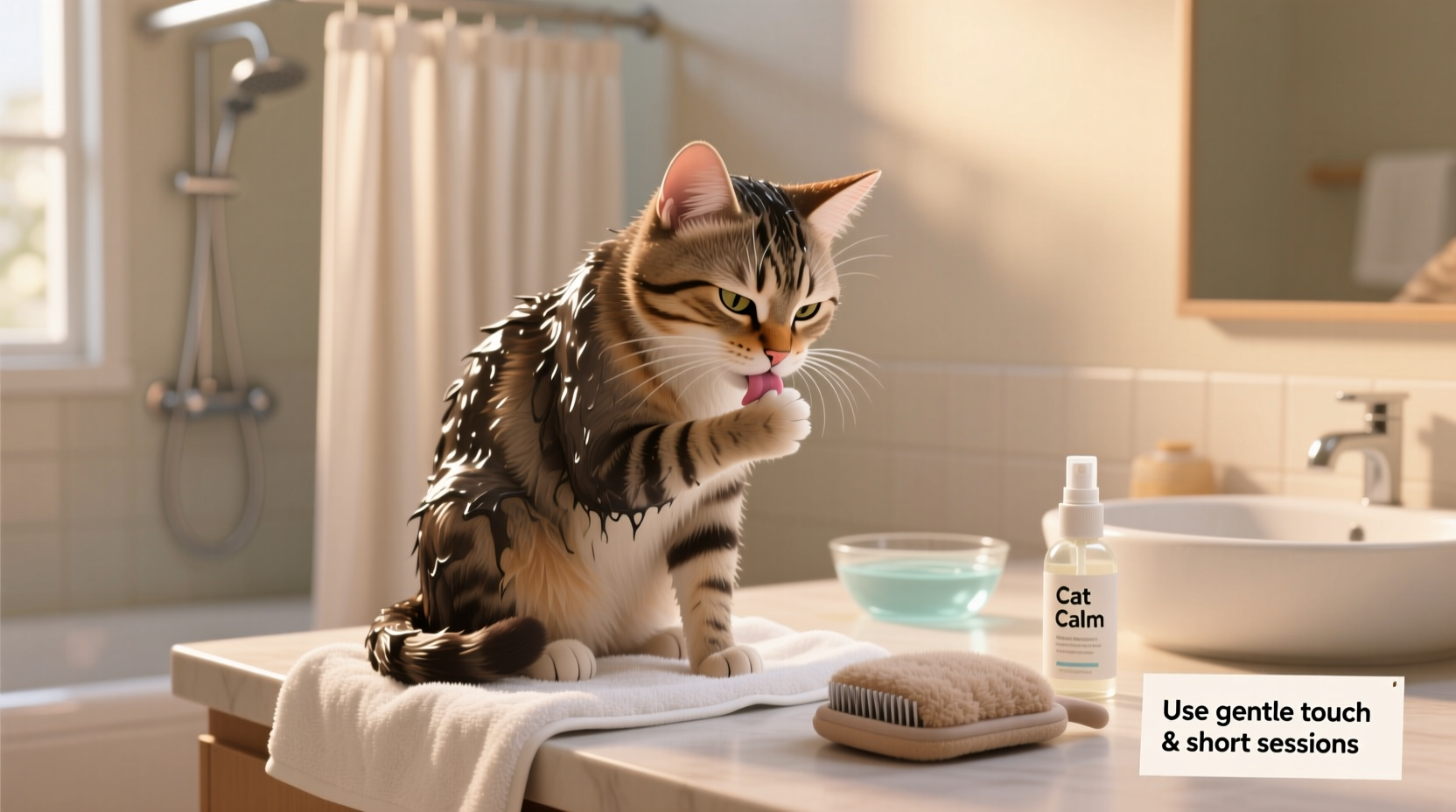
After a bath, cats may feel disoriented. Their natural scent has been washed away, water can leave residue in their fur, and the entire experience might be stressful. In response, they groom excessively to reestablish their scent profile, dry damp areas, or soothe anxiety. Unlike dogs, most cats rarely need baths—making the experience unfamiliar and potentially frightening.
Over-grooming becomes a problem when it leads to bald patches, redness, or raw skin. This compulsive behavior, known as psychogenic alopecia, can escalate if not managed early. Recognizing the difference between normal grooming and obsessive licking is key. Normal grooming occurs throughout the day in short bursts; over-grooming is prolonged, focused on one area, and happens immediately after stressful events like bathing.
“Cats rely heavily on scent for emotional security. When their natural odor is stripped during a bath, they may over-groom to regain a sense of control.” — Dr. Lena Reyes, Feline Behavior Specialist
Step-by-Step Guide to Minimize Bath Stress
Reducing stress during and after the bath is the most effective way to prevent over-grooming. Follow this timeline to make the process gentler and more predictable for your cat.
- Prepare the Environment (30 minutes before): Choose a quiet bathroom with no drafts. Gather supplies—towels, cat-safe shampoo, non-slip mat, and a warm room for drying. Play calming music or white noise to mask unsettling sounds.
- Brush Before Bathing: Remove tangles and loose fur. A pre-bath brush reduces the time spent in water and prevents matting when wet.
- Use Minimal Water: Avoid full immersion if possible. Use a damp washcloth for spot cleaning. If a full bath is necessary, use lukewarm water and keep the head dry.
- Rinse Thoroughly: Shampoo residue can irritate skin and prompt licking. Rinse until the water runs clear, paying attention to underarms and belly.
- Dry Gently and Warmly: Wrap your cat in a soft, absorbent towel. Never use a hairdryer unless your cat is accustomed to it—most find the noise and heat distressing.
- Provide a Safe Retreat: After drying, place your cat in a warm, quiet space with familiar bedding and toys. Allow them to self-soothe without interruption.
Effective Calming Techniques After Bathing
Post-bath anxiety is a primary driver of over-grooming. Calming your cat quickly after the bath reduces the urge to self-soothe through licking.
- Feliway Diffusers: These release synthetic feline facial pheromones that mimic natural “calm” signals cats leave when rubbing their cheeks. Plug one in near your cat’s resting area 30 minutes before bathing.
- Scent Reassurance: Rub a soft cloth on your cat’s cheek and place it nearby after the bath. The familiar scent helps restore emotional balance.
- Interactive Distraction: Offer a favorite toy or engage in gentle play to redirect focus from grooming.
- Comfort Feeding: Provide a small meal or treat immediately after drying. Eating triggers relaxation and interrupts obsessive behaviors.
Do’s and Don’ts of Post-Bath Care
| Do’s | Don’ts |
|---|---|
| Use fragrance-free, hypoallergenic cat shampoos | Use human shampoos or soaps—even “gentle” ones |
| Dry thoroughly with a microfiber towel | Leave your cat wet or shivering in a cold room |
| Offer a quiet, warm recovery space | Force interaction or cuddling right after |
| Monitor for signs of over-grooming (bald spots, redness) | Ignore persistent licking or skin damage |
| Reintroduce normal routine quickly | Repeat baths too frequently—once every few months max |
When Over-Grooming Persists: A Mini Case Study
Milo, a 4-year-old domestic shorthair, began excessively licking his flank after his first bath at age three. His owner, Sarah, noticed thinning fur and occasional scabs. A vet ruled out fleas and allergies, pointing instead to behavioral over-grooming triggered by bathing trauma.
With guidance from a feline behaviorist, Sarah implemented several changes: she switched to sponge baths using a calming lavender-scented wipe approved for cats, used a Feliway diffuser daily, and introduced a post-bath ritual involving a favorite tuna treat and 10 minutes of feather toy play. Within six weeks, Milo’s licking decreased significantly, and his coat regrew fully.
This case highlights how combining environmental enrichment, scent therapy, and routine consistency can reverse stress-induced grooming habits.
Checklist: Prevent Post-Bath Over-Grooming
- ✅ Brush your cat thoroughly before bathing
- ✅ Use only cat-specific, unscented shampoo
- ✅ Keep water temperature warm, not hot
- ✅ Avoid getting water in ears, eyes, or nose
- ✅ Dry completely with a soft towel
- ✅ Activate a pheromone diffuser 30 minutes prior
- ✅ Provide a quiet, warm recovery zone
- ✅ Offer a treat or meal post-bath
- ✅ Monitor for 24 hours for signs of over-grooming
- ✅ Schedule baths only when medically necessary
Frequently Asked Questions
How long is it normal for my cat to groom after a bath?
It’s normal for cats to groom for up to 30 minutes after a bath as they dry off and reestablish their scent. Beyond that, especially if focused on one area, it may indicate stress or irritation.
Can I stop my cat from grooming entirely after a bath?
No—and you shouldn’t. Grooming is essential for hygiene and comfort. The goal is not to stop grooming, but to prevent it from becoming obsessive or damaging. Focus on reducing stress rather than suppressing the behavior.
Are there alternatives to bathing that reduce over-grooming risk?
Yes. Most cats don’t need baths. Use waterless cat shampoos, grooming wipes, or brushing to maintain cleanliness. For medical conditions requiring cleaning, consult your vet about sedation-free hydrotherapy or professional grooming services experienced with cats.
Conclusion: Building a Calmer Bath Experience
Preventing over-grooming after a bath isn’t about eliminating the act itself, but about creating a low-stress, respectful hygiene routine that honors your cat’s instincts. By understanding their sensitivity to scent, sound, and touch, you can transform a traumatic event into a manageable process. Small adjustments—like using pheromones, offering post-bath rewards, and minimizing water exposure—can make a lasting difference.
💬 Have a tip that helped your cat relax after a bath? Share your experience in the comments and help fellow cat owners create safer, calmer care routines.








