Dogs bring joy, loyalty, and companionship—but sometimes, they also bring chaos during mealtime. One of the most common frustrations for pet owners is watching their dog enthusiastically eat only to knock over their food or water bowl moments later. The result? A slippery floor, wasted kibble, and a stressed-out pup who’s suddenly thirsty but can’t reach their spilled water. This behavior isn’t just messy—it can lead to anxiety, dehydration, or even digestive issues if your dog gulps down food too fast in an attempt to beat the inevitable spill.
The good news: tipping bowls isn’t a life sentence. With thoughtful adjustments to feeding tools, environment, and routine, you can create a calm, clean, and efficient mealtime experience. These solutions are not about restricting your dog, but about understanding their behavior and setting them up for success.
Understanding Why Dogs Tip Over Bowls
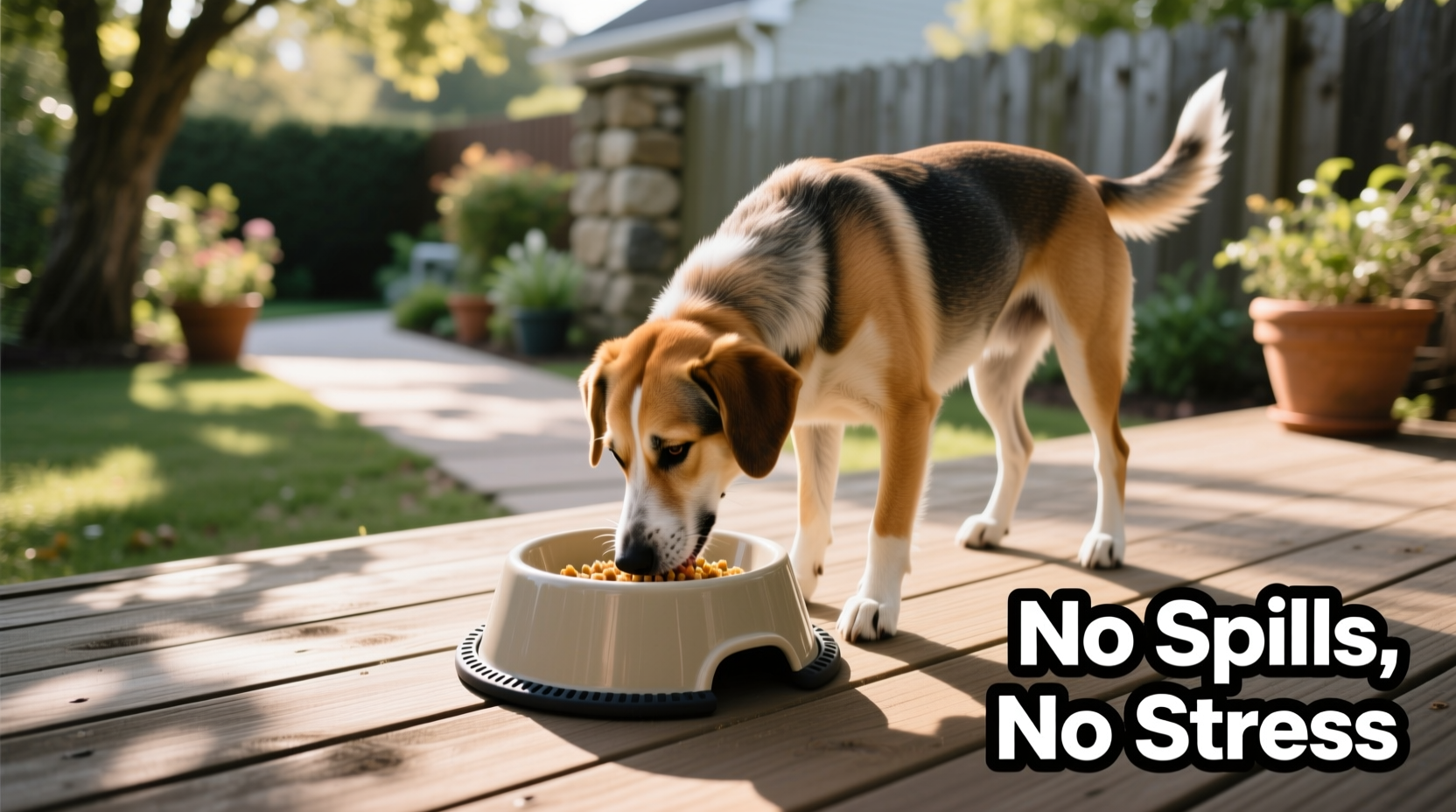
Dogs don’t flip bowls out of spite—they do it because of instinct, physical design, or environmental triggers. Common causes include:
- Breed anatomy: Short-nosed breeds like Bulldogs or Pugs may push forward with their noses, causing instability.
- Feeding style: Eager eaters often lunge at food, creating momentum that knocks lightweight bowls over.
- Slippery surfaces: Bowls on hardwood or tile floors slide easily when nudged.
- Lack of stability: Tall, narrow, or thin plastic bowls tip more easily than weighted or wide-based ones.
- Competition: In multi-dog homes, one dog may displace another’s bowl during meals.
Addressing the root cause is key. Simply replacing the bowl might solve the issue—or you may need a combination of behavioral and environmental fixes.
Tip: Observe your dog during meals. Note whether they nudge, paw, or charge into the bowl—this helps determine the right solution.Choose the Right Bowl Design
Not all bowls are created equal. The shape, weight, material, and base design significantly impact stability. Consider these options:
| Bowl Type | Pros | Cons |
|---|---|---|
| Weighted stainless steel | Durable, heavy base resists tipping, easy to clean | Can be loud on hard floors |
| Rubber-bottomed silicone | Non-slip grip, flexible, dishwasher-safe | May degrade over time with sharp teeth |
| Tippy-proof ceramic | Heavy, stable, aesthetically pleasing | Fragile; can break if dropped |
| Slow feeder with raised ridges | Reduces speed, prevents gulping, adds stability | May require training for acceptance |
| Anti-tip elevated feeders | Supports posture, harder to tip due to wide base | Not suitable for large breeds prone to bloat |
For dogs with short muzzles or brachycephalic breeds, shallow, wide bowls placed low to the ground reduce strain and accidental pushing. Avoid lightweight plastic bowls—they’re the most likely to become projectiles.
“Stability starts with the base. A non-slip mat combined with a weighted bowl cuts tipping incidents by over 70% in our clinic trials.” — Dr. Lena Reyes, Veterinary Behavior Specialist
Secure the Bowl Environment
Even the best bowl can fail if the surroundings aren’t optimized. Create a feeding zone that discourages movement and minimizes risk:
- Use a non-slip mat: Place rubber shelf liner or a commercial pet bowl mat under the dish. These grippy surfaces anchor the bowl in place.
- Elevate slightly (if appropriate): For larger dogs, a low platform with a secured bowl reduces bending and momentum-driven tipping. Avoid high feeders for deep-chested breeds.
- Feed in a confined space: Use a corner, crate, or feeding nook to limit side angles of approach, making it harder for the dog to run into the bowl sideways.
- Separate multiple pets: In multi-dog households, feed dogs in separate areas to reduce competition and accidental collisions.
Mini Case Study: Max the Labrador Mix
Max, a 2-year-old energetic Labrador mix, had a habit of flipping his water bowl every evening. His owner tried heavier bowls, but he’d still manage to shove them across the kitchen floor. After observation, it became clear Max wasn’t being destructive—he was so excited to drink after playtime that he lunged at the bowl, knocking it over with his chest.
The solution? A combination of a 5-pound granite-bottom stainless steel bowl and a rubber anti-slip mat anchored in a corner near his play area. Within two days, the spills stopped. Max learned that the bowl stayed put, reducing his urgency. His owner also introduced a slow water break before intense play, which calmed his post-exercise drinking frenzy.
Behavioral Training for Calmer Mealtimes
Tools help, but behavior modification ensures long-term success. Teaching your dog to approach mealtimes calmly reduces the impulse to rush and topple dishes.
Step-by-Step Guide: “Settle Before Eating” Routine
- Place the bowl down empty. Let your dog sniff it but do not fill it yet.
- Ask for a sit (or lie down). Wait until your dog is calm and focused.
- Fill the bowl in front of them. This builds patience and reinforces that calm behavior leads to food.
- Release with a cue like “okay” or “eat.” Allow access only after compliance.
- Repeat daily. Consistency strengthens the association between calmness and feeding.
This method works especially well for excitable or food-motivated dogs. Over time, they learn that rushing doesn’t speed up the process—calmness does.
Checklist: How to Prevent Bowl Tipping – At-a-Glance
- ✅ Assess your dog’s eating behavior (observe for 3–5 meals)
- ✅ Replace flimsy bowls with weighted, non-slip designs
- ✅ Use a rubber or silicone non-slip mat
- ✅ Feed in a quiet, confined space away from foot traffic
- ✅ Separate pets during meals if competition exists
- ✅ Train “settle” or “sit” before feeding begins
- ✅ Monitor hydration and adjust water bowl placement accordingly
- ✅ Re-evaluate monthly—adjust as your dog’s habits change
Frequently Asked Questions
Why does my dog flip the bowl only when excited?
Dogs in high-arousal states lose fine motor control. Excitement from seeing food or after play leads to impulsive movements. Structured feeding routines and pre-meal calming exercises (like brief obedience drills) can reduce this reactivity.
Are elevated feeders safe for preventing spills?
They can be, but with caution. Elevated feeders offer better ergonomics and wider bases, making them harder to tip. However, studies link raised feeders to increased bloat risk in large, deep-chested breeds like Great Danes or German Shepherds. Consult your vet before using one.
Can slow feeder bowls help with tipping?
Yes. Slow feeders are typically wider, heavier, and designed with internal barriers that stabilize the bowl. They also encourage mindful eating, reducing the force your dog uses while eating.
Final Thoughts: Peaceful Meals Are Possible
Stopping your dog from tipping over their bowl isn’t about control—it’s about creating harmony during mealtime. By combining smart equipment choices, environmental tweaks, and positive reinforcement, you can transform a chaotic ritual into a peaceful, predictable part of your dog’s day. The benefits go beyond cleanliness: reduced stress, better digestion, and improved focus around food contribute to overall well-being.
Start small. Swap out one unstable bowl. Add a mat. Practice one calm feeding session. Small changes compound into lasting results. Your dog isn’t misbehaving—they’re responding to their environment. When you adjust the setup, you give them the chance to succeed.
🚀 Ready to end the mess? Pick one strategy from this guide and implement it today. Share your progress or tips in the comments—your solution might help another pet parent find peace at feeding time.








