Dog collars are essential for identification, leash attachment, and training—but when improperly chosen or fitted, they can cause discomfort, skin irritation, or even long-term damage. Chafing from collars is a common yet avoidable issue that affects dogs of all breeds and sizes. It often appears as redness, hair loss, or raw patches on the neck, especially in active dogs or those with sensitive skin. Addressing this early ensures your pet remains healthy, happy, and pain-free during walks and everyday activities.
Preventing collar chafing isn’t just about swapping out accessories—it’s about understanding your dog’s lifestyle, anatomy, and behavior. From selecting the right material to maintaining proper hygiene, every detail matters. This guide outlines practical, veterinarian-supported strategies to eliminate friction and promote comfort.
Choose the Right Collar Material for Your Dog’s Skin Type
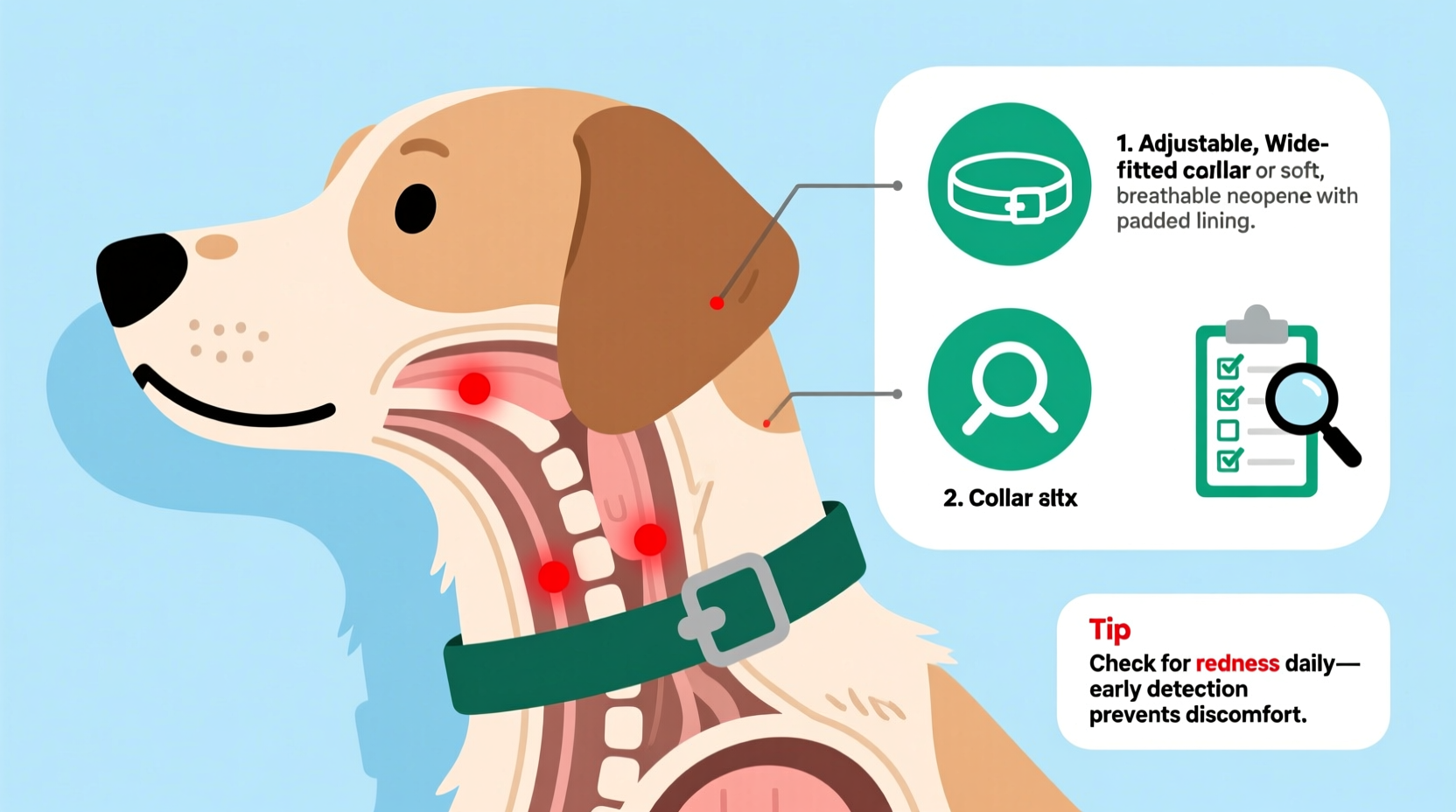
The material of a collar plays a crucial role in whether it causes irritation. Some fabrics absorb moisture and become abrasive; others may trigger allergic reactions. Matching the collar to your dog’s coat and skin sensitivity reduces the risk of chafing significantly.
| Material | Best For | Risks |
|---|---|---|
| Nylon | Active dogs, general use | Can trap moisture; rough if wet |
| Leather | Dogs with thick coats, durable daily wear | Heavy if poorly made; needs conditioning |
| Neoprene | Sensitive skin, water activities | Potential odor retention if not cleaned |
| Mesh/Reflective Fabric | Lightweight use, visibility at night | Less durable; may fray over time |
| Hemp or Organic Cotton | Allergy-prone dogs, eco-conscious owners | May stretch when wet |
Dogs with short fur or thin skin—like Greyhounds or Chihuahuas—are more prone to abrasions. In such cases, soft padded collars or neoprene-lined options offer a gentler alternative. Avoid cheap plastic-coated collars, which often crack and irritate over time.
Tip: If your dog has a history of skin allergies, opt for hypoallergenic materials like hemp or genuine leather without chemical dyes.Ensure Proper Fit: The Two-Finger Rule
A poorly fitting collar is one of the leading causes of chafing. Too tight, and it rubs against the skin; too loose, and it slides around, creating friction with each movement. The ideal fit allows enough room to slide two fingers comfortably between the collar and your dog’s neck.
- Measure your dog’s neck snugly using a soft tape measure.
- Add one to two inches for growth and comfort (especially in puppies).
- Select a collar with multiple adjustment points for fine-tuning.
- Check fit weekly, especially in growing dogs or those gaining or losing weight.
Pay extra attention after baths or swimming—wet fur compresses, making collars effectively tighter. Always remove or loosen the collar temporarily if your dog stays wet for extended periods.
Consider Alternatives: Harnesses and Breakaway Collars
For dogs prone to pulling or with respiratory issues (such as brachycephalic breeds), traditional collars may do more harm than good. Constant pressure on the trachea increases the risk of inflammation and secondary skin trauma.
Front-clip harnesses distribute force across the chest rather than the neck, reducing strain and eliminating rubbing. They’re particularly effective for training leash manners while protecting delicate tissues.
“Harnesses are strongly recommended for small breeds and dogs with neck sensitivities. Reducing cervical pressure improves both comfort and long-term health.” — Dr. Lena Torres, DVM, Canine Rehabilitation Specialist
Breakaway collars are another smart option for supervised outdoor time or cats—but use caution. While they prevent strangulation risks, they aren’t suitable for leash walking since they release under tension.
When to Use What?
- Daily ID collar: Lightweight, well-fitted nylon or leather with tags covered by a silencer sleeve.
- Walking/Training: Harness paired with a separate, removable ID collar.
- Outdoor play (fenced yard): Consider removing the collar entirely if microchipped, or use a soft fabric band.
Maintenance and Hygiene: Clean Collars Prevent Irritation
Just like bedding or toys, collars accumulate dirt, sweat, and bacteria over time. A grimy collar acts like sandpaper against the skin, accelerating chafing and increasing infection risk, especially in humid climates.
Clean non-leather collars weekly by hand-washing with mild pet-safe soap and warm water. Let them air dry completely before reapplying. Leather collars require specialized conditioners to prevent cracking but should never be submerged.
Tip: Rotate between two collars so one can dry fully while the other is in use—this also extends their lifespan.Inspect collars monthly for signs of wear: fraying edges, stiff sections, or metal hardware corrosion. Replace immediately if any damage is found.
Recognizing Early Signs of Chafing and What to Do
Early detection prevents minor irritation from turning into open sores or infections. Monitor your dog’s neck weekly, especially behind the ears and under the jawline—common friction zones.
Signs of collar chafing include:
- Redness or inflammation
- Bald spots or thinning fur
- Scratching or pawing at the neck
- Foul odor or discharge (indicates infection)
If you notice early-stage redness, remove the collar for 24–48 hours and allow the skin to breathe. Clean the area gently with a damp cloth and apply a vet-approved topical barrier cream if needed. Never use human ointments unless directed by a veterinarian.
Mini Case Study: Bella the Beagle
Bella, a 3-year-old Beagle, developed a raw patch on her neck after frequent walks in rainy weather. Her owner assumed it was an allergy, but a vet visit revealed chronic chafing from a soaked nylon collar that had lost its smooth texture. After switching to a quick-dry mesh collar and introducing a front-clip harness for walks, Bella’s skin healed within two weeks. The owner now rotates collars and checks fit monthly, preventing recurrence.
Prevention Checklist: Keep Your Dog Comfortable Year-Round
- ✅ Measure neck size monthly
- Especially important for puppies or dogs undergoing weight changes.
- ✅ Perform weekly skin inspections
- Lift the fur and check for redness, swelling, or scabs beneath the collar line.
- ✅ Wash collars regularly
- Every 7–10 days for active dogs; monthly for indoor-only pets.
- ✅ Use a harness for walks
- Reserve collars for ID tags only during exercise.
- ✅ Replace worn or stiff collars
- Even high-quality collars degrade over time—replace every 6–12 months with regular use.
- ✅ Avoid overnight wear
- Remove collars at bedtime to let the skin breathe, unless required for medical reasons.
Frequently Asked Questions
Can I use baby powder to reduce collar friction?
No. While talcum-based powders may seem helpful, they can cake up, trap moisture, and lead to fungal infections. Instead, focus on improving fit and material choice.
My dog hates having the collar removed—should I leave it on?
If removal causes stress, consider gradual desensitization. Start by taking it off for short periods while offering treats. Over time, your dog will associate collar-free time with positive experiences. However, prolonged continuous wear increases chafing risk, so temporary removal is still recommended.
Are silicone collars a good option?
Silicone collars are durable and waterproof, making them useful for water-loving dogs. However, some find them inflexible or sticky in heat. Test for comfort and monitor skin reaction during initial use.
Final Thoughts: Comfort Is a Form of Care
Your dog’s collar should be a tool for safety, not a source of pain. By choosing appropriate materials, ensuring correct fit, rotating usage, and embracing alternatives like harnesses, you create a routine that prioritizes physical well-being. These strategies don’t require expensive gear—just consistent attention and informed decisions.
💬 Have you noticed collar-related irritation in your dog? Share your experience or solutions in the comments below—your insight could help another pet parent avoid discomfort.








