Cats are naturally fastidious animals, but when they begin eliminating outside their litter box, it can be frustrating, confusing, and unsanitary. This behavior is rarely about spite—it’s usually a sign of an underlying issue ranging from medical conditions to environmental stressors. Addressing the problem effectively requires patience, observation, and a multifaceted approach. By understanding feline behavior and implementing proven strategies, you can restore proper litter box use and enjoy a cleaner, more peaceful home.
Understand Why Cats Avoid the Litter Box
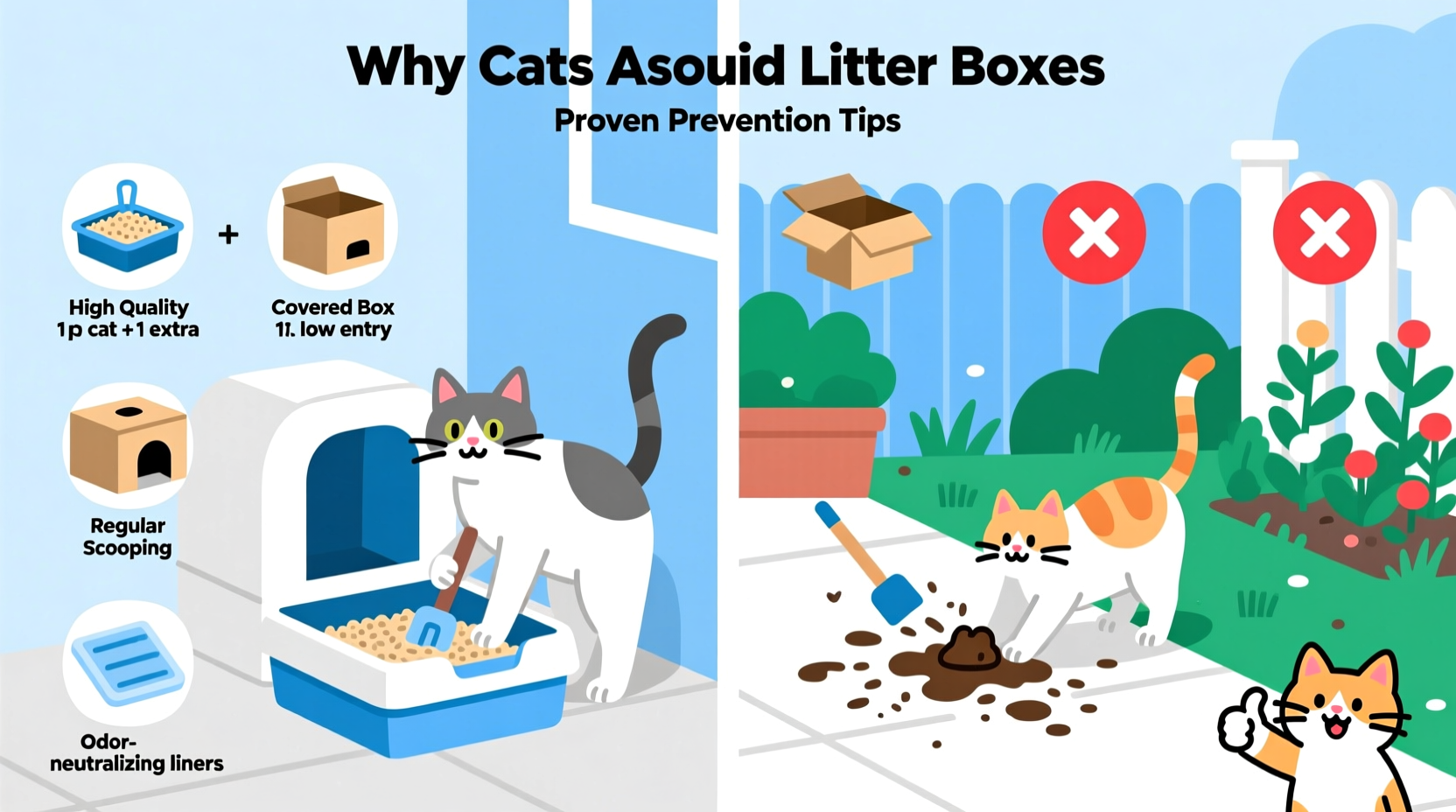
Cats don’t suddenly decide to break house rules without reason. Inappropriate elimination is one of the most common behavioral issues reported by cat owners. The causes typically fall into three categories: medical, litter-related, and emotional or environmental.
- Medical issues: Urinary tract infections, constipation, arthritis, or gastrointestinal discomfort can make using the litter box painful or difficult.
- Litter preferences: Cats may reject certain textures, scents, or types of litter. Strongly perfumed or dusty litters are often disliked.
- Stress or anxiety: Changes in the household—new pets, moving furniture, loud noises, or even a new family member—can trigger territorial marking or avoidance behaviors.
Before making environmental changes, rule out health problems with a veterinary visit. A simple urine test or physical exam can identify issues that, once treated, resolve the behavior entirely.
Tip: If your cat suddenly starts pooping outside the box, schedule a vet checkup immediately—this could be the first sign of a serious condition.Optimize Litter Box Setup and Maintenance
The design, placement, and cleanliness of the litter box significantly influence your cat’s willingness to use it. Many owners unknowingly create conditions that discourage proper use.
- Follow the “+1 Rule”: Provide one more litter box than the number of cats in your home. For example, two cats should have at least three boxes.
- Choose the right location: Place boxes in quiet, low-traffic areas with easy access. Avoid placing them next to loud appliances or in isolated corners that feel like traps.
- Clean daily: Scoop waste at least once a day. A dirty box is a primary reason cats seek alternatives.
- Replace litter weekly: Completely empty, wash with mild soap (no strong cleaners), and refill with fresh litter every week.
Consider the type of box as well. Some cats prefer covered boxes for privacy, while others avoid them due to poor ventilation or difficulty escaping. Large, open-top boxes often work best, especially for older or larger cats.
| Litter Type | Pros | Cons |
|---|---|---|
| Clay Clumping | Easy scooping, controls odor well | Dusty; some cats dislike texture |
| Silica Gel Crystals | Low tracking, excellent odor control | Expensive; crunchy sound may scare cats |
| Paper or Wheat-Based | Natural, safe if ingested, eco-friendly | May not clump well; needs frequent changing |
| Scented Litter | Masks odors | Strong perfume can repel cats |
Create a Stress-Free Environment
Cats are creatures of habit. Even minor disruptions—a visitor staying over, construction noise, or rearranged furniture—can cause anxiety that manifests as inappropriate elimination.
To reduce stress:
- Maintain consistent routines for feeding, play, and interaction.
- Use pheromone diffusers like Feliway, which mimic calming facial pheromones cats release when they rub their cheeks on objects.
- Provide vertical space such as cat trees or shelves where your cat can observe safely from above.
- Introduce changes gradually. If moving the litter box, shift it a few inches per day toward the new location.
“Cats don’t misbehave out of defiance—they communicate through behavior. When a cat avoids the litter box, it’s asking for help.” — Dr. Sarah Thompson, DVM, Feline Behavior Specialist
Mini Case Study: Resolving Multi-Cat Tension
A family with three cats noticed one cat, Luna, consistently defecating behind the couch. After a vet ruled out medical causes, they observed that the only litter box was located in the basement near the noisy washer. Additionally, the dominant cat often waited by the box, intimidating Luna.
The solution involved placing two additional boxes on the main floor in quiet corners and switching to unscented, low-dust litter. They also installed a Feliway diffuser in the living area. Within two weeks, Luna resumed normal litter box use. The key was addressing both accessibility and social stress.
Step-by-Step Guide to Correcting the Behavior
Resolving litter box avoidance takes time and consistency. Follow this timeline for best results:
- Week 1: Rule Out Medical Issues
Visit the vet for a full checkup. Share details about frequency, consistency, and location of accidents. - Week 2: Audit Your Litter Setup
Evaluate box number, placement, type, and litter. Adjust based on your cat’s habits and preferences. - Week 3: Deep Clean Accident Sites
Use enzymatic cleaners (not ammonia-based) to remove all traces of odor. Repeat if necessary—residual scent encourages repeat incidents. - Week 4: Reduce Stress Triggers
Identify and minimize sources of anxiety. Add hiding spots, perches, and interactive toys to enrich the environment. - Ongoing: Monitor and Maintain
Keep boxes clean, watch for signs of relapse, and remain patient. Behavioral change can take 4–6 weeks.
FAQ
Why does my cat poop next to the litter box instead of inside it?
This often indicates the box is too dirty, the litter is unpleasant, or the sides are too high for comfortable entry. It can also signal discomfort during defecation, so a vet visit is recommended.
Can I train an older cat to use the litter box again?
Yes. Older cats may develop arthritis or cognitive decline, affecting mobility or memory. Use low-entry boxes, place them near resting areas, and maintain strict cleaning routines to support retraining.
Should I confine my cat to one room during retraining?
In severe cases, short-term confinement in a quiet room with food, water, toys, and a litter box can help reestablish good habits. Gradually reintroduce access to other areas once consistent use resumes.
Checklist: Key Actions to Prevent Litter Box Avoidance
- ✅ Schedule a veterinary exam to rule out illness
- ✅ Provide one more litter box than the number of cats
- ✅ Scoop waste daily and replace litter weekly
- ✅ Place boxes in quiet, accessible, low-stress locations
- ✅ Use unscented, low-dust litter preferred by your cat
- ✅ Clean accident sites with enzymatic cleaner
- ✅ Minimize household stress with routines and enrichment
- ✅ Monitor behavior and adjust strategy as needed
Conclusion
Preventing cats from pooping outside the litter box isn’t about enforcing rules—it’s about understanding their needs and creating an environment where using the box feels safe, convenient, and natural. With thoughtful adjustments to litter management, household layout, and emotional support, most cats can return to proper elimination habits. The result is not just a cleaner home, but a stronger, more trusting bond between you and your pet.
💬 Have a success story or challenge with litter training? Share your experience in the comments—your insights could help another cat owner find a solution.








