Cat owners know the struggle: one moment your floor is spotless, the next it’s speckled with tiny clumps of litter tracked from the box. Litter scatter isn’t just unsightly—it can be a persistent hygiene issue, especially in homes with children or hardwood floors. While some degree of tracking seems inevitable, it doesn’t have to be accepted as normal. With thoughtful design choices, consistent maintenance, and behavioral awareness, you can significantly reduce—or even eliminate—litter scatter. This guide outlines proven, practical methods that go beyond basic mats and boxes to help you maintain a cleaner, more comfortable living space.
Choose the Right Litter Box Design
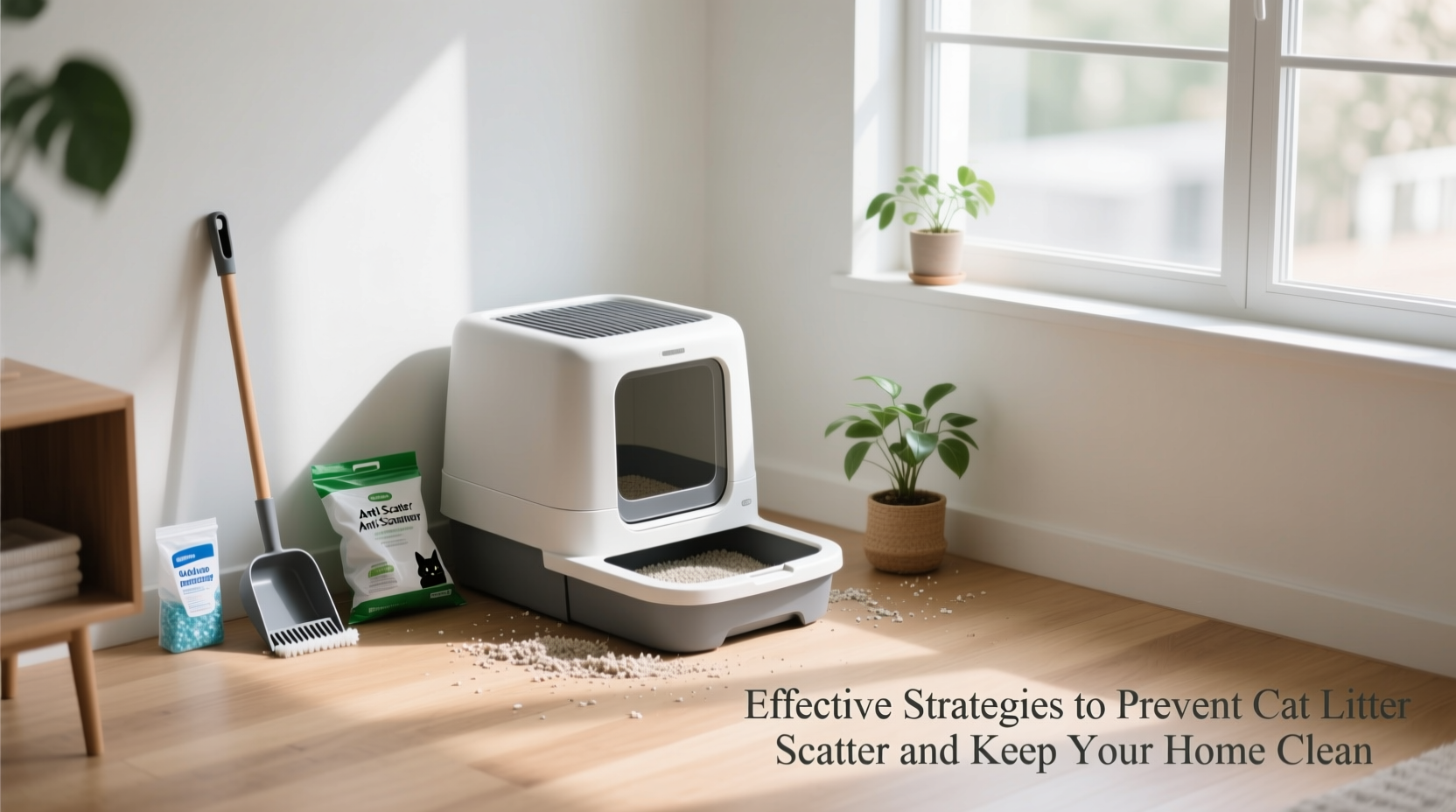
The foundation of minimizing litter scatter starts with selecting an appropriate litter box. Traditional open-top boxes allow cats to kick litter freely in all directions. Upgrading to a model designed with containment in mind makes a measurable difference.
Top-entry litter boxes are particularly effective. Because cats enter from the top, excess litter tends to fall back into the box rather than being flung outward. High-walled or hooded models also help contain kicks, though they should be cleaned more frequently to manage odor buildup due to reduced airflow.
Tip: Look for litter boxes with built-in ledges or overhangs around the rim to catch litter before it escapes.For multi-cat households, consider larger capacity boxes or dual-compartment systems that separate digging zones from exit paths. This design reduces the chance of litter clinging to paws during departure.
Select Low-Tracking Cat Litter
Not all litters behave the same way. Lightweight, dusty, or overly granular formulas are more likely to stick to fur and paws. The key is choosing a litter that clumps well but resists scattering.
Clay-based litters vary widely—some are engineered to minimize dust and tracking. Silica gel crystals are another excellent option; they’re heavier and less prone to being kicked out, though some cats may dislike the texture. Natural alternatives like pine or wheat-based litters often produce less dust and track less than conventional clay, though their absorbency varies.
“Litter particle size and weight directly influence how much ends up on your floor. Heavier, coarser grains tend to stay put.” — Dr. Lena Pruitt, Feline Behavior Specialist
| Litter Type | Tracking Level | Dust Level | Best For |
|---|---|---|---|
| Clay (clumping) | Moderate-High | High | Budget-conscious owners |
| Silica Gel Crystals | Low | Very Low | Minimalist, low-maintenance setups |
| Pine Pellets | Low-Moderate | Low | Eco-conscious households |
| Wheat-Based | Moderate | Moderate | Natural material preference |
Optimize Placement and Flooring
Where you place the litter box matters just as much as the box itself. Avoid high-traffic areas near dining spaces, but also steer clear of deep-pile carpets or rugs where litter embeds easily and becomes hard to remove.
Hard flooring—tile, vinyl, or laminate—is ideal because it allows for easy sweeping and vacuuming. If you must place the box on carpet, use a large, non-porous base such as a plastic tray or custom-cut acrylic sheet beneath the entire setup to create a cleanable barrier.
Ensure there's enough clearance around the box for your cat to move comfortably without brushing against walls, which can dislodge litter from their sides. A tight corner might seem discreet, but it increases the likelihood of litter sticking to fur during turns.
Implement a Multi-Layer Containment System
No single solution eliminates litter scatter completely. A layered approach delivers the best results. Think of it as creating a “containment zone” around the litter area.
- Base Tray: Use a large, washable plastic tray under the litter box to catch stray pellets. Choose one with raised edges at least 1–2 inches high.
- Entry Mat: Place an anti-tracking mat immediately outside the box. Rugged, ribbed rubber mats or specialized litter traps with deep grooves work best—they scrape litter off paws as cats step away.
- Secondary Mat: Add a second mat made of tightly woven fabric or microfiber several feet beyond the first. This catches finer particles missed by the initial trap.
- Air Filter (Optional): In enclosed spaces, a small HEPA air purifier reduces airborne dust from litter, improving air quality and reducing fine particulate spread.
Real-World Example: Reducing Scatter in a Busy Apartment
Sarah, a pet owner in a downtown Chicago apartment, struggled with litter spreading across her hardwood floors despite using a standard box and basic mat. After consulting a feline behaviorist, she implemented a four-part system: a top-entry box filled with silica crystals, placed on a custom-cut plastic base, surrounded by a ribbed rubber mat, and followed by a 3x2-foot microfiber runner.
Within a week, visible litter on the floor dropped by over 90%. She also trained her cat to pause briefly on the mat after exiting by placing a treat there daily for two weeks—a subtle reinforcement that encouraged paw-shaking behavior. The combination of product choice and behavioral nudge transformed her space from constantly dirty to consistently tidy.
Behavioral and Maintenance Best Practices
Cleanliness encourages cooperation. Cats are fastidious animals and may avoid a dirty box, leading to accidents—or worse, forceful digging that increases scatter. Scoop waste at least once daily, and fully replace litter according to manufacturer guidelines (typically every 2–4 weeks).
- Trim the fur between your cat’s paws monthly to reduce litter trapping.
- Brush long-haired cats regularly to prevent litter from clinging to their coat.
- Inspect the box weekly for cracks or wear that could allow litter to escape through gaps.
“Cats don’t scatter litter out of mischief—it’s a natural instinct to bury waste. Our job is to design systems that align with that instinct while protecting our homes.” — Dr. Marcus Tran, Veterinary Housecall Practitioner
Frequently Asked Questions
Can I train my cat to stop kicking litter out?
You can’t eliminate the instinct to dig and cover, but you can redirect it. Using deeper litter boxes, lower-fill levels (2–3 inches), and positive reinforcement when your cat uses a mat can reduce scatter over time.
Are automatic litter boxes better at preventing mess?
Some self-cleaning models contain scatter more effectively due to enclosed designs and rakes that sift waste without vigorous kicking. However, they require maintenance and may not suit all cats’ preferences.
How often should I replace the litter mat?
Inspect monthly. Mats degrade over time—cracks in rubber or fraying in fabric reduce effectiveness. Replace every 6–12 months depending on wear and cleaning frequency.
Final Checklist for a Litter-Scatter-Free Home
- ✅ Evaluate your current litter type
- Switch to a low-tracking formula if needed.
- ✅ Upgrade your litter box
- Use a top-entry or high-walled model with containment features.
- ✅ Install layered flooring protection
- Plastic tray + textured mat + secondary fabric mat.
- ✅ Maintain a strict cleaning schedule
- Scoop daily, change litter regularly, wash mats weekly.
- ✅ Groom your cat routinely
- Trim paw fur and brush long coats to reduce clinging litter.
Take Action Today for a Cleaner Tomorrow
Preventing cat litter scatter isn’t about perfection—it’s about progress through smart, sustainable habits. By combining the right products, strategic placement, and attentive care, you can reclaim your floors and enjoy a cleaner, more harmonious home. Start with one upgrade this week: swap your litter, add a better mat, or reposition the box. Small changes compound into lasting results. Your cat deserves a clean space—and so do you.
💬 What’s your best tip for keeping litter in the box? Share your experience and help fellow cat owners find smarter solutions!








