Every cat owner knows the struggle: you love your feline companion, but finding tiny clumps of litter tracked across the kitchen floor or nestled in the corner of the living room rug is a daily annoyance. Cat litter spread isn’t just unsightly—it can be a hygiene concern and a persistent cleaning burden. The good news is that with thoughtful planning and consistent habits, it’s entirely possible to minimize, if not eliminate, litter scatter. By combining smart litter box placement, the right tools, and behavioral awareness, you can maintain a cleaner home without compromising your cat’s comfort.
Choose the Right Litter Box Design
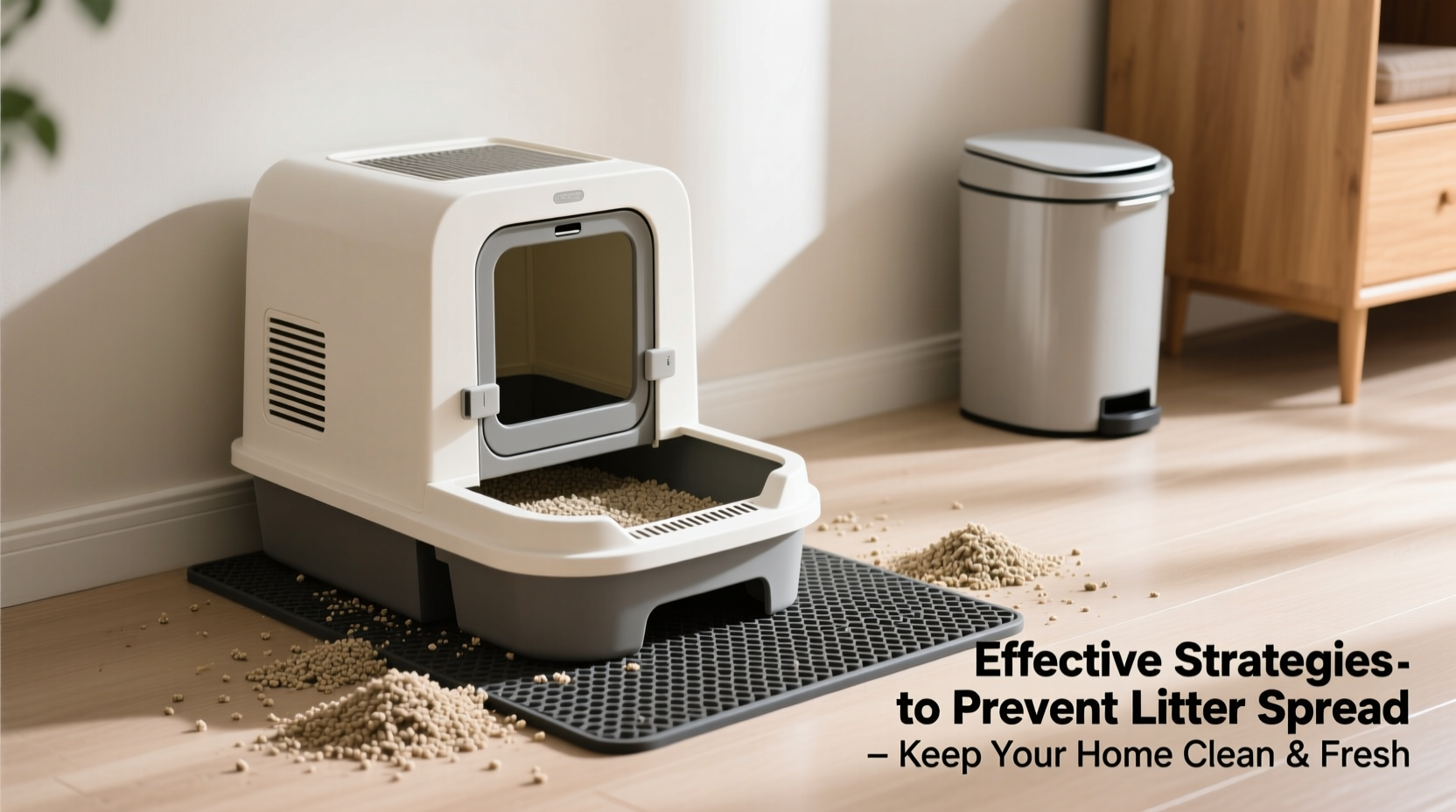
The type of litter box you use plays a significant role in how much litter escapes after each visit. Traditional open boxes allow cats to kick litter freely in all directions, especially during vigorous digging. Enclosed or covered boxes can help contain some of the mess, but they may trap odors and deter fastidious cats. A better solution lies in high-walled or hooded models with built-in ledges or baffles designed to catch litter on the way out.
Top-entry litter boxes are another excellent option. Because cats enter from the top, any litter clinging to their paws tends to fall back into the box rather than being carried into your living space. These are particularly effective for cats that dig aggressively or tend to fling litter over the sides.
Tip: Look for litter boxes with built-in ramps or exit grates that brush litter off your cat’s paws as they step out.Select the Optimal Litter Type
Not all litters are created equal when it comes to tracking. Lightweight, dusty, or granular litters—especially those made from silica crystals or fine clay—are more likely to stick to fur and paws and scatter across floors. Heavier, low-dust clumping litters made from natural materials like corn, wheat, or pine tend to produce less airborne dust and are less prone to being kicked far from the box.
Consider pellet-style litters, which are larger and less likely to cling to feet. While some cats may need time to adjust, many adapt well, especially if transitioned gradually. Avoid overly scented litters, as strong fragrances can irritate cats and lead to avoidance behaviors, indirectly increasing the chance of accidents and messy cleanup elsewhere.
“Cats prefer unscented, soft-textured litters. When litter feels comfortable under their paws, they’re less likely to dig excessively, reducing litter scatter.” — Dr. Lena Patel, Feline Behavior Specialist
Strategic Placement and Flooring Solutions
Where you place the litter box matters just as much as its design. Avoid high-traffic areas where litter can easily be tracked further into the home, but don’t isolate it so far that your cat hesitates to use it. A quiet corner of a utility room, bathroom, or laundry area often works best.
Flooring type also influences how noticeable and easy-to-clean litter spread is. Hard surfaces like tile, vinyl, or hardwood make sweeping or vacuuming straightforward, while carpets trap fine particles and require more effort to extract. If you must place a litter box on carpet, use a large, non-porous mat underneath to create a barrier.
Positioning the box against a wall can reduce the number of directions litter can be kicked. Corner placements naturally limit scatter zones and make containment easier.
Litter Box Placement Checklist
- Place box in a quiet, low-traffic area
- Avoid direct foot traffic paths
- Use corner placement to minimize scatter radius
- Ensure easy access for your cat at all times
- Keep away from noisy appliances (washer, dryer)
Deploy Litter Traps and Mats
One of the most effective tools in the fight against litter spread is the litter mat. These specialized mats are placed directly beneath or in front of the litter box and are designed to capture escaping litter. There are several types:
| Type | How It Works | Best For |
|---|---|---|
| Ridged Plastic Mat | Traps litter in grooves between raised ridges | Clay and clumping litters |
| Coir or Natural Fiber Mat | Uses dense fibers to catch litter and absorb moisture | Eco-friendly setups |
| Silicone Grid Mat | Flexible grid allows litter to fall through while keeping paws clean | Easy cleaning and durability |
| Deep-Well Tray | Surrounds box with walls to contain kicked-out litter | Cats that dig aggressively |
For maximum effectiveness, use a mat that extends at least 3–4 feet from the box exit. This gives your cat multiple steps on the mat, increasing the chance that litter will dislodge before reaching clean flooring. Shake or vacuum the mat regularly to prevent buildup.
Establish a Daily Maintenance Routine
Consistency is key. Even the best setup will fail without regular upkeep. Scoop the litter box at least once daily to maintain hygiene and reduce odor, which encourages proper use. Replace litter completely every 2–4 weeks, depending on usage and product type.
Wipe down the exterior of the box weekly to remove dust and stray litter. Vacuum around the litter station thoroughly at least twice a week, focusing on corners and under nearby furniture where litter accumulates unnoticed.
- Scoop waste daily
- Check and shake litter mat every morning
- Vacuum surrounding area 2–3 times per week
- Replace full litter batch monthly
- Inspect box for cracks or wear that could increase scatter
Mini Case Study: The Johnson Family’s Litter Solution
The Johnsons adopted a playful Maine Coon mix named Milo, who quickly became a beloved family member—but also a prolific litter scatterer. Despite using a standard open box, they found litter in every room, even bedrooms upstairs. After consulting their vet, they restructured their approach: they moved the box to a tiled laundry room, installed a top-entry model with a built-in exit grate, and added a large silicone grid mat extending two feet beyond the door.
Within a week, visible litter spread dropped by over 80%. They now vacuum the mat and surrounding area every other day and report a dramatically cleaner home. “We didn’t realize how much difference the box design and placement would make,” says Sarah Johnson. “Now we barely notice any mess.”
FAQ
Can I train my cat to stop kicking litter out?
You can't fully train a cat to stop digging—that's a natural instinct for burying waste—but you can redirect the behavior with the right equipment. Using a high-walled box or one with a top entry significantly reduces outward litter projection. Some owners also find success by placing a second mat several feet away to catch any residual litter missed on the first pass.
How do I clean litter from carpets without damaging fibers?
First, let the litter settle for a few minutes to avoid pushing it deeper. Use a stiff brush or dry cloth to loosen surface particles, then vacuum slowly with an upholstery attachment. For clumping litter, ensure it’s completely dry before vacuuming to prevent clogs. For recurring issues, consider switching to a low-tracking litter or relocating the box away from carpeted areas.
Are automatic litter boxes better at containing mess?
Many self-cleaning boxes come with built-in containment features such as covered designs, carbon filters, and rake systems that minimize exposure. However, they can still generate scatter if not paired with a good mat. Additionally, some cats are wary of the noise and movement. Monitor your cat’s reaction and supplement with a mat for best results.
Final Tips for Long-Term Success
Preventing litter spread isn’t about finding a single magic solution—it’s about layering multiple strategies to create a system that works consistently. Combine a well-designed box with low-tracking litter, strategic placement, and diligent maintenance. Pay attention to your cat’s habits; if they consistently push litter to one side, adjust the box orientation or add shielding on that side.
Tip: Rotate two identical litter mats—one in use, one drying or cleaning—to maintain continuous protection.Conclusion
Keeping cat litter contained doesn’t have to be a losing battle. With the right combination of equipment, environment, and routine, you can enjoy the companionship of your cat without the constant cleanup. Start by evaluating your current setup: Is the box the right type? Is the litter contributing to the problem? Are you using a mat effectively? Small changes can yield big improvements. Take action today—your floors (and your vacuum) will thank you.
💬 What’s your best tip for keeping litter in its place? Share your experience and help fellow cat owners create cleaner, more harmonious homes!








