
Algae in a dog’s water bowl is more than just an aesthetic issue—it poses real health risks. When left unchecked, green or slimy buildup can lead to gastrointestinal upset, skin irritation, and even infections in pets. Algae thrive in warm, moist environments with exposure to light, making water bowls ideal breeding grounds. The good news: with consistent care and smart habits, you can keep your dog’s drinking water clean and safe. This guide outlines science-backed, practical strategies to prevent algae growth and promote better hydration and wellness for your pet.
Understanding the Risks of Algae in Pet Water Bowls
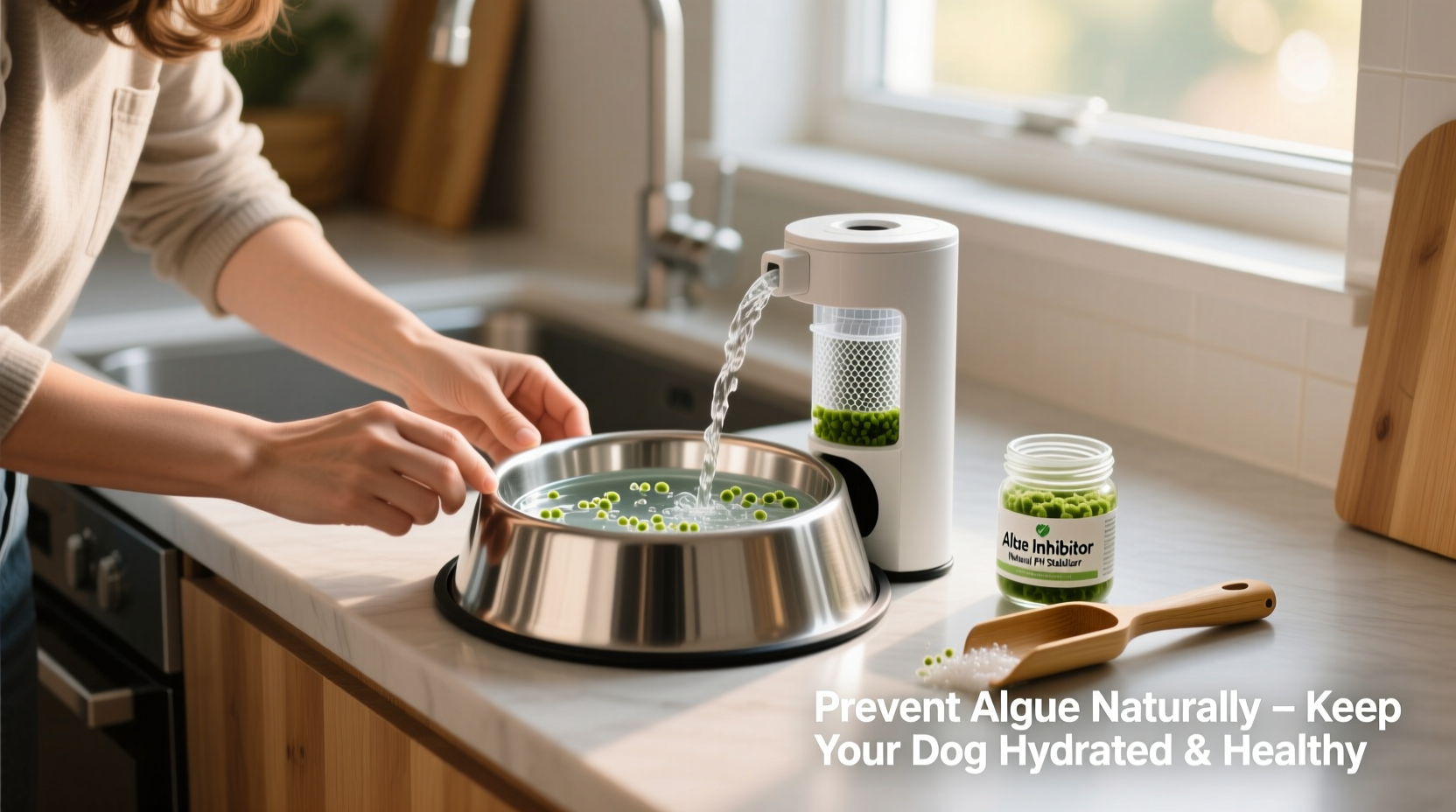
Algae are simple aquatic organisms that grow rapidly in stagnant water exposed to sunlight. While some types are harmless, others produce toxins that can affect animals. Blue-green algae (cyanobacteria), for example, release neurotoxins and hepatotoxins that may cause vomiting, diarrhea, seizures, or liver failure in dogs—even in small doses.
Even non-toxic algae create slippery biofilms that harbor bacteria like *E. coli* and *Salmonella*. These pathogens increase the risk of infection, especially for puppies, senior dogs, or those with compromised immune systems. Preventing algae isn’t just about cleanliness; it’s a critical component of responsible pet ownership.
“Clean water is as essential as quality food. A contaminated bowl can silently undermine your dog’s health over time.” — Dr. Rebecca Langston, DVM, Veterinary Preventive Care Specialist
Daily Maintenance Routines That Make a Difference
The foundation of algae prevention lies in routine cleaning. Simply refilling the bowl without washing encourages microbial accumulation. Here’s how to optimize daily care:
- Empty and rinse daily: Dump old water every morning and evening, even if some remains. Stagnant water fosters faster growth.
- Scrub with pet-safe cleaner: Use mild dish soap and a dedicated brush or sponge. Focus on corners and bottom where biofilm builds up.
- Air-dry completely: Moisture left after washing provides a perfect environment for algae spores. Let the bowl dry fully before refilling.
- Use filtered or fresh tap water: Well water or untreated sources may contain higher mineral or nutrient levels that feed algae.
Choosing the Right Bowl Material and Design
Not all bowls are created equal. The material significantly impacts how easily algae forms and how well you can clean it.
| Material | Pros | Cons | Algae Resistance |
|---|---|---|---|
| Stainless Steel | Durable, non-porous, dishwasher-safe | Can be noisy, may dent | ★★★★★ |
| Ceramic | Heavy, stable, aesthetically pleasing | Can chip; porous glaze traps bacteria | ★★★☆☆ |
| Plastic | Inexpensive, lightweight | Scratches easily, harbors bacteria, prone to algae | ★☆☆☆☆ |
| Double-Walled Glass | Non-porous, easy to sanitize | Fragile, heavier | ★★★★☆ |
Stainless steel is widely recommended by veterinarians due to its resistance to scratches and ease of sterilization. Avoid plastic bowls entirely if algae has been a recurring problem.
Strategic Placement and Environmental Control
Where you place the water bowl matters. Sunlight and heat accelerate photosynthesis in algae, so location is a key factor.
- Keep bowls out of direct sunlight, including near windows or outdoor patios.
- Avoid placing bowls on decks or porches unless shaded and cleaned multiple times per day.
- Choose cooler areas of the house—tile or basement floors help maintain lower water temperatures.
- If using outdoor bowls, consider retractable stations that can be brought inside during peak sun hours.
For homes with automatic water dispensers, ensure the unit is installed in a climate-controlled area. Units with UV-C sanitization offer added protection but still require regular maintenance.
Step-by-Step Guide: Weekly Deep Cleaning Protocol
Daily rinsing isn't enough. A weekly deep clean removes residual biofilm and mineral deposits that encourage algae regrowth.
- Remove all water and scrub loosely with warm soapy water.
- Soak the bowl in a solution of 1 part white vinegar to 3 parts water for 30 minutes.
- Scrub again with a bottle brush (especially for dispenser nozzles).
- Rinse thoroughly to eliminate vinegar residue.
- Sanitize with a diluted bleach solution (1 tablespoon unscented bleach per gallon of water) for 10 minutes—optional but effective.
- Rinse again until no odor remains, then air-dry completely before reuse.
Advanced Prevention Tools and Technologies
Beyond manual cleaning, several tools can reduce algae risk:
- Algae-inhibiting additives: Products with food-grade hydrogen peroxide or silver ions disrupt microbial growth. Always verify safety for pets before use.
- UV-C purification bowls: Self-cleaning dispensers with built-in ultraviolet lights kill algae and bacteria. Look for models with replaceable bulbs and BPA-free components.
- Copper-infused bowls: Copper has natural antimicrobial properties. Some stainless steel bowls include copper lining to suppress biofilm formation.
While helpful, these technologies don’t replace manual cleaning. They should complement—not substitute—a solid hygiene routine.
Mini Case Study: Reducing Algae in a Multi-Dog Household
The Thompson family in Austin, Texas, struggled with persistent algae in their three dogs’ outdoor water station. Despite daily refills, green slime reappeared within hours during summer months. After consulting their vet, they implemented changes:
- Moved the station from a sunny patio to a covered porch.
- Replaced plastic bowls with stainless steel double-bowls.
- Introduced a morning/evening scrub routine with vinegar soaks twice weekly.
- Added a timer-based drip system to refresh water every 4 hours.
Within two weeks, algae growth stopped. The dogs showed improved hydration and fewer cases of lip fold dermatitis, which the vet linked to bacterial exposure from dirty bowls.
Common Myths About Algae Prevention Debunked
Misinformation can lead to ineffective—or harmful—practices.
- Myth: Adding lemon juice prevents algae.
Reality: Citric acid may slow growth slightly but can alter pH and irritate sensitive mouths. - Myth: Once algae appears, just rinsing removes the risk.
Reality: Biofilm persists even after visible algae is gone, requiring mechanical scrubbing. - Myth: Indoor bowls don’t need frequent cleaning.
Reality: Even in shade, organic debris from saliva feeds microbial growth.
FAQ
How often should I replace my dog’s water bowl?
With proper care, stainless steel or glass bowls can last years. Replace any bowl with cracks, deep scratches, or chipped glaze, as these trap bacteria and are impossible to fully sanitize.
Is it safe to use bleach to clean my dog’s water bowl?
Yes, when used correctly. Use only unscented, additive-free bleach at a ratio of 1 tbsp per gallon of water. Soak for 10 minutes, then rinse thoroughly until no smell remains. Never mix bleach with vinegar or ammonia.
Can algae in water bowls make my dog sick?
Yes. Even non-toxic algae introduce harmful bacteria. Toxic strains like cyanobacteria can be fatal. Symptoms include vomiting, lethargy, jaundice, or difficulty breathing—seek immediate veterinary care if observed.
Prevention Checklist
Stay ahead of algae with this actionable checklist:
- ✅ Empty and rinse the bowl at least twice daily
- ✅ Scrub with soap and brush every 24–48 hours
- ✅ Perform a deep clean (vinegar or bleach soak) weekly
- ✅ Store bowl in a cool, shaded area away from sunlight
- ✅ Use stainless steel or glass—avoid plastic
- ✅ Replace cracked or scratched bowls immediately
- ✅ Monitor water clarity and smell daily
Conclusion: Clean Water, Healthier Dog
Preventing algae in your dog’s water bowl is a simple yet powerful way to protect their long-term health. It requires diligence, not complexity—consistent cleaning, smart placement, and the right equipment make all the difference. By treating your pet’s water source with the same care as their food, you reduce disease risk, support hydration, and contribute to a longer, more vibrant life. Start today: inspect the bowl, wash it thoroughly, and commit to a routine that keeps every sip safe.
💬 Have a tip that works for your pet? Share your experience below and help other pet owners keep their furry friends healthy!








