Uninvited cats entering your property can be a persistent issue—whether they’re digging in gardens, leaving waste on patios, or scratching outdoor furniture. While these animals are often well-meaning strays or neighborhood roamers, their presence can create hygiene concerns, damage landscaping, and disrupt daily life. The good news is that you don’t need to resort to harmful or aggressive tactics. With thoughtful, humane strategies, it’s entirely possible to deter cats from your property for the long term while respecting animal welfare.
Understanding Why Cats Are Attracted to Your Property
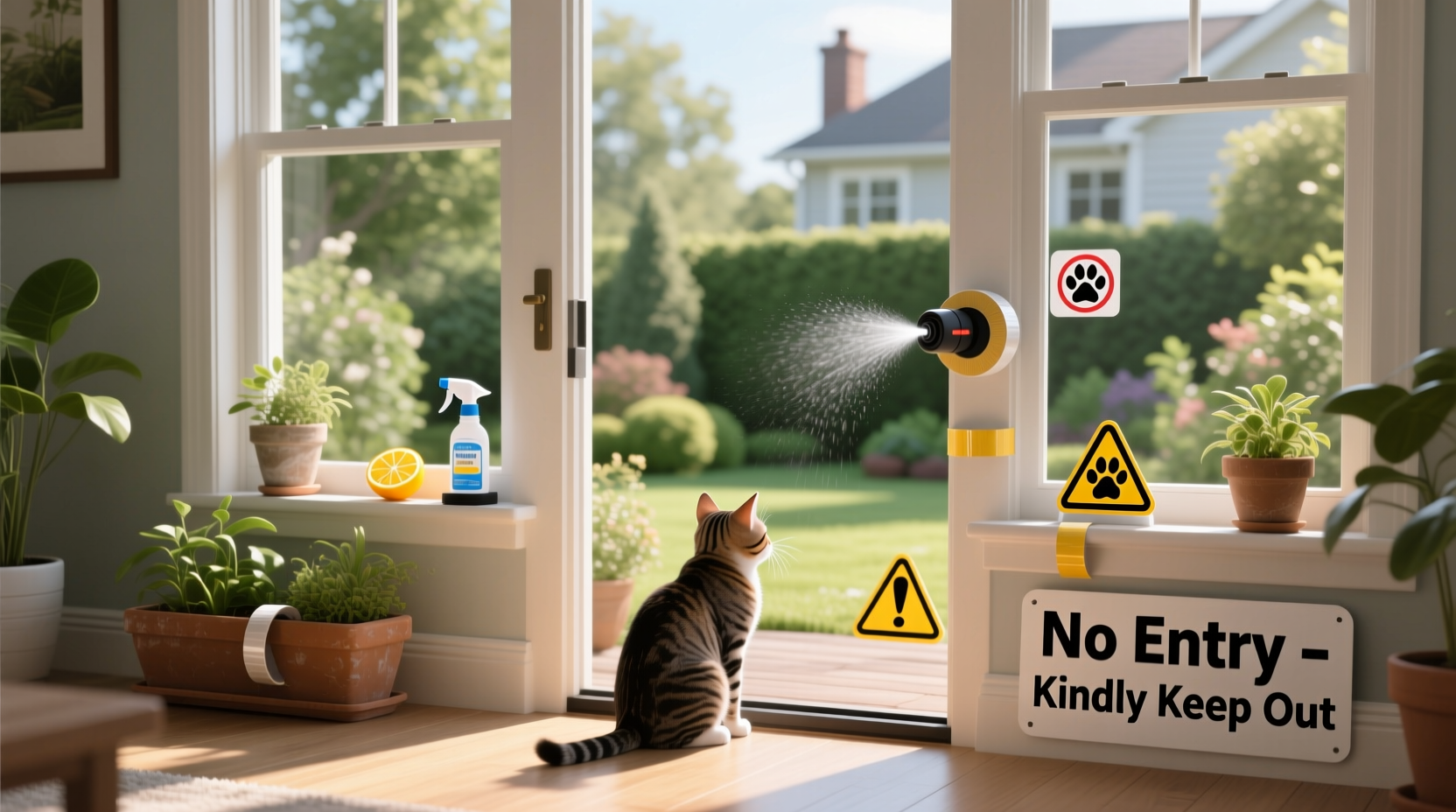
Cats, both domestic and feral, seek environments that offer safety, food, shelter, and comfort. If your yard or entryway consistently attracts cats, it’s likely providing one or more of these essentials—often without your awareness. Common attractants include:
- Accessible food sources (leftover pet food, compost bins, bird feeders)
- Warm, sheltered spaces (under decks, in sheds, behind HVAC units)
- Soft soil or mulch ideal for digging
- Lack of strong deterrents like scent or motion-based stimuli
Addressing these root causes is essential. Simply shooing cats away may offer temporary relief, but without eliminating incentives, they will return.
Tip: Conduct a nightly walkaround with a flashlight to identify where cats enter and what might be drawing them in.Humane Deterrent Methods That Work Long-Term
The most effective cat deterrents operate on sensory aversion—using scents, textures, or movement that cats naturally avoid. These methods are non-lethal, legal, and endorsed by animal behaviorists.
Scent-Based Repellents
Cats have highly sensitive olfactory systems. Certain smells trigger discomfort or signal danger, prompting avoidance.
- Citrus peels: Scatter lemon, orange, or lime rinds around garden beds. Replace every few days.
- Mint or lavender oil: Dilute 10–15 drops in water and spray along fence lines or entry points.
- Commercial repellents: Choose plant-based sprays containing ingredients like citronella, eucalyptus, or garlic oil.
“Cats rely heavily on scent to assess safety. Introducing unfamiliar or unpleasant odors disrupts their sense of security.” — Dr. Lena Torres, Feline Behavior Specialist
Physical and Textural Barriers
Cats dislike walking on unstable or prickly surfaces. Altering ground texture deters lounging and digging.
- Install plastic carpet runners (nubby side up) in favored sunbathing spots.
- Use chicken wire beneath mulch or flowerbeds to prevent digging.
- Place decorative rocks or gravel in areas where cats tend to dig.
Motion-Activated Devices
These tools startle cats without causing injury, creating a learned association between your property and discomfort.
- Motion-activated sprinklers emit a short burst of water when triggered.
- Ultrasonic repellers emit high-frequency sounds only audible to animals.
- Solar-powered LED lights with flickering patterns can unsettle nocturnal visitors.
Step-by-Step Guide to Cat-Proofing Your Outdoor Space
Permanently deterring cats requires consistency and layered approaches. Follow this timeline for best results:
- Week 1: Audit and Remove Attractants
Remove pet food bowls after feeding, secure trash lids, and eliminate standing water. Seal gaps under sheds or porches with mesh fencing. - Week 2: Apply Scent and Texture Deterrents
Place citrus peels and lay down carpet runners in high-traffic zones. Begin spraying natural repellents daily. - Week 3: Install Motion-Activated Devices
Position a sprinkler near the back door or garden entrance. Test range and sensitivity to avoid false triggers. - Week 4: Monitor and Adjust
Note any remaining activity. Reinforce weak spots with additional barriers or alternate scents. - Ongoing: Maintain Consistency
Reapply sprays weekly, replace worn materials, and continue blocking access points.
Common Mistakes That Undermine Your Efforts
Even well-intentioned homeowners often make errors that reduce effectiveness. Avoid these pitfalls:
| Do’s | Don’ts |
|---|---|
| Seal all potential shelters (e.g., under decks) | Leave food or water outside, even to “help” stray cats |
| Use multiple deterrent types together | Rely solely on one method like ultrasonic devices |
| Reapply natural sprays after rain | Use ammonia or mothballs—they’re toxic and illegal in many areas |
| Be patient; behavior change takes 3–6 weeks | Yell at or chase cats—it may displace them temporarily but reinforces no long-term fear of the area |
Real-World Example: A Suburban Garden Transformed
In Portland, Oregon, homeowner Maria Lin struggled with a group of stray cats using her raised vegetable beds as litter boxes. Despite daily cleanup, the problem persisted for months. She began by removing an old compost bin that attracted rodents—and thus cats. Then, she covered the beds with chicken wire and installed a motion-activated sprinkler aimed at the garden gate.
Within three weeks, cat visits dropped by 80%. By week six, only occasional paw prints appeared at the edge of the yard, and within two months, all signs had vanished. Maria continues to use citrus-spray rotation and keeps her shed securely latched. “It wasn’t about being harsh,” she said. “It was about making my yard less inviting than the next one over.”
FAQ: Addressing Common Concerns
Will these methods hurt the cats?
No. All recommended strategies are humane and designed to discourage, not injure. Sprinklers, sound emitters, and scent repellents cause mild discomfort but no physical harm.
What if the cats are owned or part of a managed colony?
If local residents are feeding community cats, consider discussing the issue politely. Many municipalities support Trap-Neuter-Return (TNR) programs, which reduce roaming over time. Collaborative solutions often yield better long-term results.
How long until I see results?
Most homeowners notice reduced activity within 2–3 weeks. Complete elimination typically takes 4–8 weeks, depending on how entrenched the behavior is and how consistently deterrents are applied.
Checklist: How to Permanently Keep Cats Off Your Property
- ✅ Remove all food sources and secure trash
- ✅ Seal off hiding places under structures
- ✅ Apply natural scent repellents (citrus, essential oils)
- ✅ Install textural barriers (carpet runners, rocks)
- ✅ Set up motion-activated sprinklers or ultrasonic devices
- ✅ Monitor activity and adjust strategy weekly
- ✅ Rotate deterrents monthly to prevent habituation
Conclusion: Create a Cat-Free Zone with Compassion and Consistency
Keeping cats out of your home and yard doesn’t require cruelty or confrontation. By understanding feline behavior and applying consistent, humane deterrents, you can reclaim your space while upholding ethical standards. Success lies not in force, but in persistence and smart environmental design. Start today by identifying what draws cats in, then systematically remove those incentives. Over time, your property will become a place cats choose to avoid—naturally and permanently.
💬 Have a tip that worked for you? Share your experience in the comments and help others find compassionate, lasting solutions.








