
A crystal-clear aquarium is more than just a visual delight—it’s a sign of a balanced, healthy aquatic ecosystem. Yet, many hobbyists struggle with persistent algae growth that clouds the water, coats the glass, and threatens plant and fish health. While algae are a natural part of any tank, excessive growth indicates an imbalance. The key isn’t just removing algae temporarily but addressing the root causes so they don’t return. This guide outlines proven, sustainable methods to eliminate algae for good and maintain pristine water conditions.
Understanding the Root Causes of Algae Growth
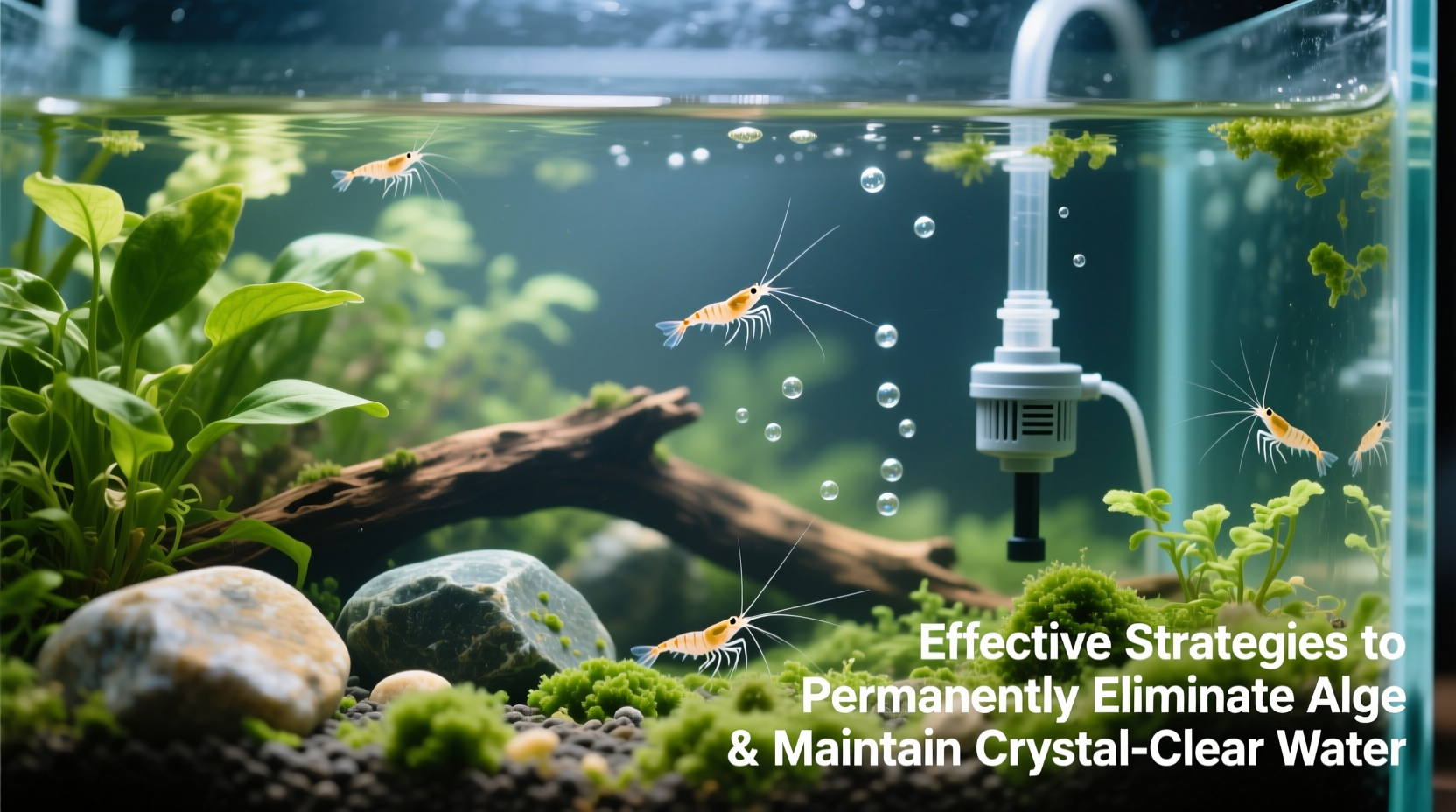
Algae thrive on three primary inputs: light, nutrients (especially nitrates and phosphates), and carbon dioxide. When any one of these elements is in excess—particularly over prolonged periods—algae populations explode. Common triggers include:
- Overexposure to direct sunlight or extended artificial lighting cycles
- Excess nutrients from overfeeding, decaying plant matter, or inadequate filtration
- Poor water circulation leading to stagnant zones
- Infrequent water changes allowing waste buildup
- Imbalanced CO₂ levels in planted tanks
Instead of treating symptoms like green water or hair algae, focus on correcting the underlying imbalances. Sustainable clarity comes not from reactive scrubbing, but from consistent system management.
Tip: Test your tap water for phosphates before adding it to the tank—many municipal sources contain phosphate-based corrosion inhibitors.Step-by-Step Guide to Eliminate and Prevent Algae Long-Term
Permanently controlling algae requires a structured approach. Follow this timeline to reset your tank and establish lasting balance.
- Day 1–3: Assess and Reduce Light Exposure
Limit lighting to 6 hours per day using a timer. Move the tank away from windows. Use only full-spectrum LED lights designed for aquariums. - Day 4–5: Perform a Deep Clean
Remove decorations and scrub them with a soft brush (no soap). Vacuum the substrate thoroughly to remove detritus. Replace 30% of the water. - Day 6–7: Test Water Parameters
Check levels of nitrates (ideal: under 20 ppm), phosphates (under 0.5 ppm), pH, and ammonia. Address any spikes immediately. - Week 2: Optimize Filtration and Flow
Clean filter media with tank water (never tap water, which kills beneficial bacteria). Add a powerhead if flow is weak in corners. - Week 3: Introduce Algae Competitors
Add fast-growing live plants like hornwort, duckweed, or stem plants. These absorb excess nutrients, starving algae. - Ongoing: Maintain a Strict Routine
Conduct weekly 20–30% water changes, monitor feeding habits, and clean glass as needed with a magnetic scraper.
Key Prevention Strategies and Best Practices
Once algae are under control, maintaining clarity hinges on consistency. The following practices form the foundation of a healthy, algae-resistant aquarium.
Control Lighting Precisely
Most freshwater tanks need only 6–8 hours of light daily. Use programmable timers to avoid human error. Avoid blue or actinic spectrums during daytime unless running a reef tank.
Feed Responsibly
Overfeeding is a major contributor to nutrient overload. Feed only what fish consume in 2 minutes, once or twice daily. Remove uneaten food promptly.
Boost Beneficial Competition
Live plants outcompete algae for nutrients and light. A densely planted tank naturally suppresses algae by creating biological balance. Consider adding floating plants like frogbit or water lettuce—they shade the water column and absorb nitrates rapidly.
Maintain Equipment Regularly
Clogged filters, failing pumps, or degraded bulbs can subtly disrupt balance. Replace filter media according to manufacturer guidelines and clean impellers monthly.
“Algae aren’t the problem—they’re the symptom. Fix the environment, and the algae fix themselves.” — Dr. Karen Liu, Aquatic Ecosystem Biologist, University of Florida
Do’s and Don’ts: Quick Reference Table
| Do’s | Don’ts |
|---|---|
| Perform weekly water changes (20–30%) | Change all the water at once—this shocks the system |
| Use live plants to absorb excess nutrients | Rely solely on algaecides—they mask problems and harm sensitive species |
| Test water weekly for nitrates and phosphates | Ignore early signs like film on glass or cloudy water |
| Add algae-eating species like nerite snails or otocinclus catfish | Introduce plecos without research—they grow large and produce significant waste |
| Quarantine new plants to prevent algae spores | Use bleach or chemicals on tank components—beneficial bacteria are vital |
Real Example: Turning Around a Problem Tank
Mark, a beginner aquarist, struggled with green water and brown diatoms in his 30-gallon community tank. Despite daily scraping and commercial treatments, algae returned within days. After consulting a local aquarium expert, he took a systematic approach:
- Reduced lighting from 12 to 6 hours per day
- Began weekly 25% water changes with RO water to lower phosphates
- Added a bunch of hornwort and two nerite snails
- Started feeding frozen brine shrimp instead of flake food, reducing waste
Within four weeks, the water cleared completely. Six months later, Mark reports no algae resurgence and healthier fish. His experience underscores that patience and process—not quick fixes—are what lead to lasting success.
Frequently Asked Questions
Can I use hydrogen peroxide to kill algae?
Yes, but only in targeted applications. A few drops of 3% hydrogen peroxide directly on stubborn spots (like beard algae) can help, but never pour it into the main tank. It will harm beneficial bacteria and sensitive invertebrates if overused.
Are UV sterilizers effective against algae?
UV clarifiers are highly effective against free-floating algae (green water). They work by disrupting the reproductive cycle of single-celled algae as water passes through the unit. However, they do nothing for surface or hair algae, so they should be part of a broader strategy.
How often should I clean the aquarium glass?
Clean only when necessary—typically every 1–2 weeks. Overcleaning disrupts biofilm that hosts beneficial microorganisms. Use a dedicated algae scraper or magnet cleaner, and avoid abrasive pads that scratch acrylic tanks.
Conclusion: Clarity Through Consistency
Clear water isn’t achieved overnight, nor maintained by luck. It’s the result of disciplined care, ecological awareness, and proactive maintenance. By managing light, limiting nutrients, encouraging competition from desirable organisms, and staying consistent with water changes, you create an environment where algae simply can’t dominate. The goal isn’t a sterile tank, but a balanced one—where life thrives without chaos.
💬 Have a success story or tip for keeping your tank algae-free? Share your experience below and help fellow aquarists achieve lasting clarity!








