
Living with multiple cats can be a joy—until tension turns into hissing, swatting, or full-blown fights. Sudden aggression between house cats disrupts household peace and puts pets at risk of injury and chronic stress. Unlike wild confrontations, indoor cat conflicts are rarely about dominance alone. They stem from territorial insecurity, fear, resource competition, or miscommunication. The good news: most feline feuds can be resolved without rehoming or medication. With patience, observation, and strategic intervention, harmony is not only possible—it’s achievable in most homes.
Understanding Why Cats Fight Indoors
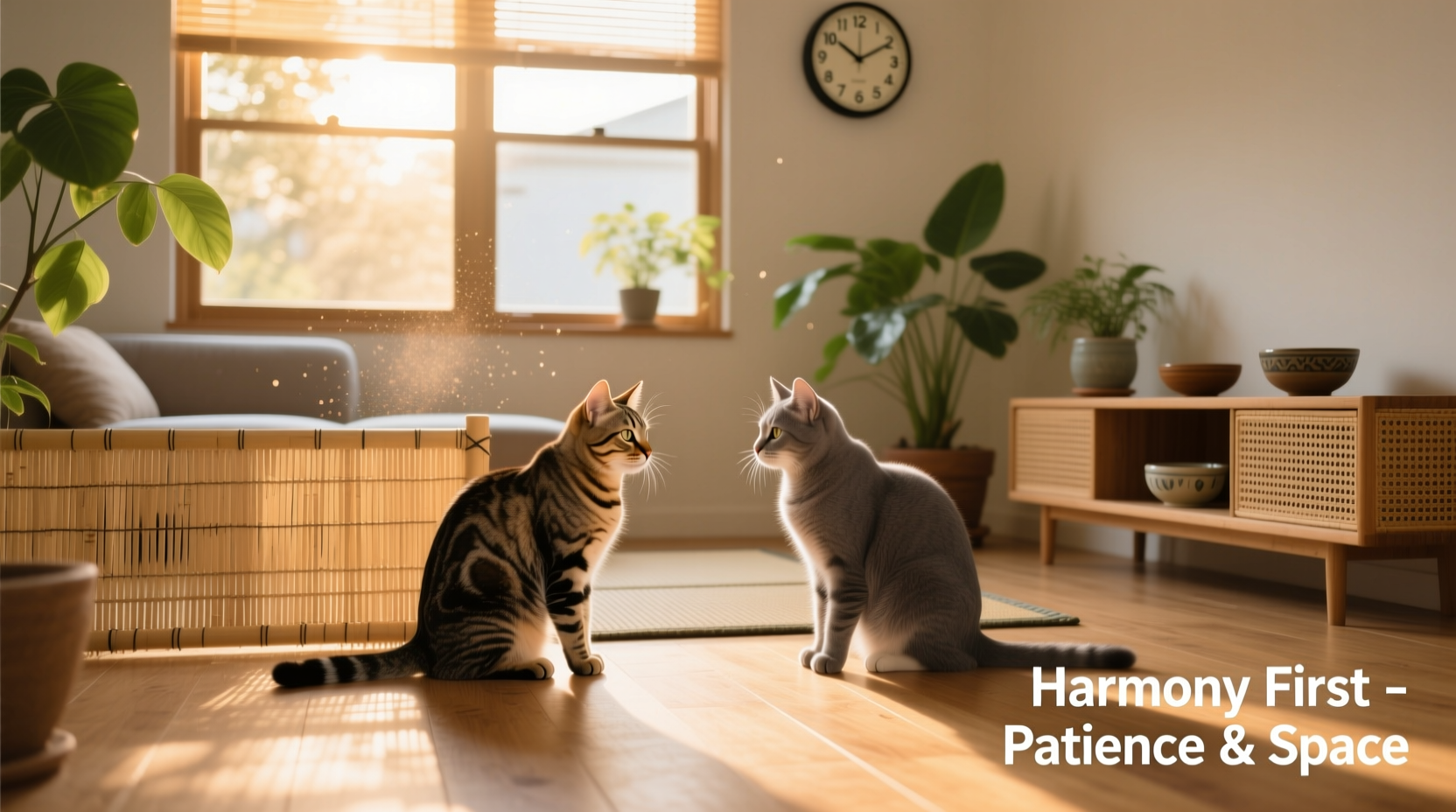
Cats are naturally solitary hunters with strong territorial instincts. Even socialized domestic cats maintain boundaries. When two or more share a confined space, subtle triggers can ignite conflict. Common causes include:
- Limited resources: One litter box, food bowl, or sleeping spot for multiple cats breeds competition.
- Introduction mishaps: Poorly managed introductions create lasting distrust.
- Environmental changes: New furniture, people, or pets can destabilize established hierarchies.
- Redirected aggression: A cat startled by an outdoor animal may lash out at a nearby housemate.
- Medical issues: Pain or illness can make cats irritable and defensive.
It’s essential to distinguish between play aggression and real conflict. Play includes gentle biting, tail flicking, and rotating roles. True fighting involves flattened ears, growling, piloerection (raised fur), and avoidance afterward. Chronic tension often starts small—a stare, a blocked hallway—and escalates over time.
Tip: Never physically intervene during a fight. Clapping loudly or using a spray bottle of water can safely break it up without risking injury.Step-by-Step Guide to Reestablishing Peace
Resolving cat conflict isn’t instant, but following a structured process dramatically improves success. Use this timeline to guide your efforts:
- Separate the cats immediately. Place them in different rooms with their own food, water, litter, and bedding. This reduces stress and prevents further escalation.
- Observe behavior patterns. Note when and where tension occurs. Is it near the food bowl? By a window? After one cat returns from the vet?
- Rule out medical causes. Schedule vet visits to check for pain, hyperthyroidism, or neurological issues that could contribute to aggression.
- Reintroduce gradually. Begin with scent swapping (exchanging blankets), then progress to visual access (using baby gates), and finally supervised interactions.
- Reinforce positive associations. Feed cats on opposite sides of a closed door, then gradually closer. Use treats, toys, or brushing as rewards during calm moments.
- Expand territory safely. Add vertical spaces like cat trees and shelves so cats can avoid each other without feeling trapped.
- Maintain consistency. Stick to routines for feeding, play, and interaction to build predictability.
This process typically takes 2–6 weeks, though some cases require longer. Rushing reintroduction is the most common reason for failure.
Essential Environmental Adjustments
The physical environment plays a crucial role in feline coexistence. Cats thrive on control and choice. When options are limited, conflict arises. Follow the “CAT” principle: Choices, Access, and Terms.
| Resource | Recommended Number | Best Placement | Common Mistakes |
|---|---|---|---|
| Litter boxes | N+1 (one per cat plus one) | Quiet, separate locations | Putting all boxes in one room |
| Food/water stations | One per cat, spaced apart | Non-competitive areas (e.g., different rooms) | Feeding side-by-side |
| Sleeping spots | Multiple high and low options | Windows, shelves, quiet corners | Only providing ground-level beds |
| Toys & scratchers | At least two of each type | Distributed throughout the home | Having only one shared toy area |
Vertical space is especially important. Cats feel safer when elevated. Install wall-mounted shelves or multi-level cat trees to give shy or subordinate cats escape routes.
“Cats don’t forgive and forget like humans assume. They remember negative experiences. Successful reconciliation requires rebuilding trust through neutral, positive experiences.” — Dr. Sarah Ellis, Feline Behavior Scientist, University of Bristol
Real-Life Example: Restoring Harmony Between Sisters
Emma adopted two sibling kittens, Luna and Daisy, at six months old. For a year, they played and groomed each other daily. But after Emma brought home a foster cat for two weeks, tensions rose. Upon the foster’s departure, Luna began hissing whenever Daisy approached the living room.
Emma separated them and followed a structured reintroduction plan. She swapped their bedding daily, fed them on opposite sides of a cracked door, and used a Feliway diffuser to reduce anxiety. After ten days, she allowed brief visual contact through a baby gate while offering treats. Within three weeks, the sisters were grooming each other again.
The key was recognizing that the foster cat disrupted their sense of security. By restoring routine and creating new positive associations, Emma repaired the bond without permanent damage.
Tip: Use calming pheromone diffusers like Feliway in shared areas. These mimic natural facial pheromones and signal safety to cats.Checklist: Actions to Stop Cat Fighting Now
Use this practical checklist to address ongoing conflict:
- ✅ Separate fighting cats immediately and provide individual care
- ✅ Schedule veterinary exams to rule out pain or illness
- ✅ Implement N+1 rule for litter boxes, food bowls, and resting spots
- ✅ Swap scents using blankets or towels before reintroducing
- ✅ Use baby gates or mesh doors for controlled visual access
- ✅ Feed cats near each other (but out of reach) to build positive associations
- ✅ Increase vertical territory with shelves, perches, or cat trees
- ✅ Minimize sudden changes in routine or environment
- ✅ Use interactive toys to redirect energy and encourage bonding
- ✅ Consider pheromone diffusers or supplements if stress persists
Frequently Asked Questions
Can two cats that fought ever get along again?
Yes, in most cases. With proper separation, gradual reintroduction, and environmental adjustments, former rivals can rebuild trust. Success depends on identifying the root cause and committing to the process.
Should I punish my cats for fighting?
No. Punishment increases fear and confusion. Cats don’t connect punishment with past actions. Instead, focus on preventing conflict and rewarding calm behavior with treats, petting, or play.
Is it normal for cats to fight after one returns from the vet?
Yes. The returning cat carries unfamiliar scents (antiseptics, other animals), which the resident may perceive as a threat. Wipe the returning cat with a damp towel using their home bedding’s scent, and reintroduce slowly.
Conclusion: Patience and Consistency Restore Peace
Ending cat conflict isn’t about dominance or discipline—it’s about empathy and environment. By understanding feline instincts and adjusting the home to meet their needs, most households can restore tranquility. There is no universal fix, but every solution begins with observation, separation, and a commitment to slow, positive reinforcement. Your cats don’t need to be best friends, but they can learn to coexist respectfully.
💬 Have you successfully reconciled feuding cats? Share your story or questions in the comments—your experience could help another cat owner find peace.








