Ticks are more than just a nuisance—they're vectors for serious diseases like Lyme disease, Rocky Mountain spotted fever, and anaplasmosis. With tick populations expanding due to climate change and habitat encroachment, avoiding their bites has become a critical health priority. While chemical repellents like DEET are effective, many people seek safer, natural alternatives that protect without exposing the body to synthetic toxins. Fortunately, several evidence-supported, plant-based, and behavioral strategies can significantly reduce your risk of tick encounters—without reaching for pesticides.
Understanding Tick Behavior and Risk Zones
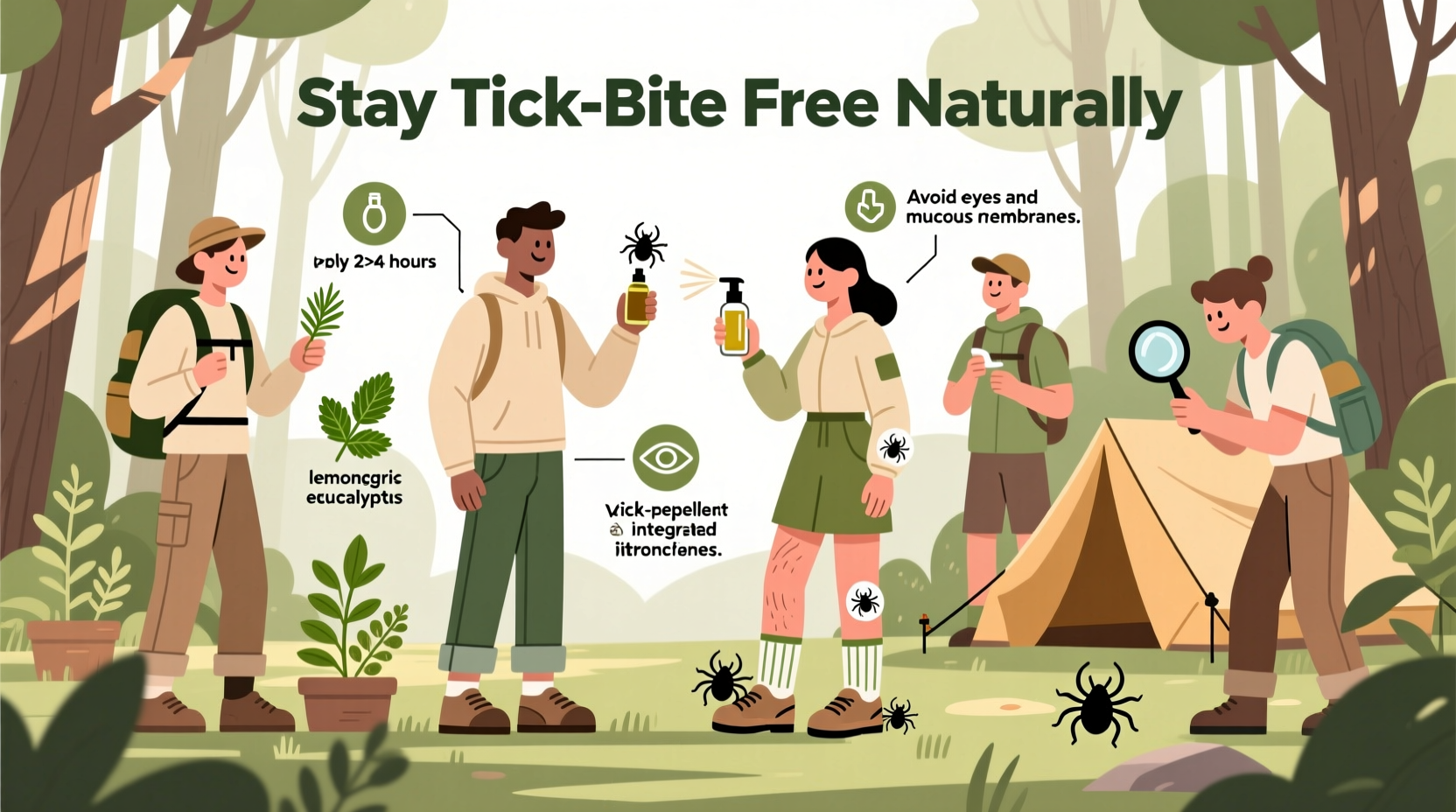
Ticks don’t fly or jump. Instead, they \"quest\" by positioning themselves on grasses, shrubs, and leaf litter, waiting to latch onto a passing host. They thrive in humid, shaded environments—especially wooded trails, tall grass, and overgrown gardens. Knowing where and how ticks operate is the first step in avoiding them.
Peak tick activity occurs from spring through early fall, though some species remain active in milder winter months. The black-legged tick (Ixodes scapularis), responsible for most Lyme disease cases in the U.S., is commonly found in the Northeast, Midwest, and Pacific Coast. Lone star ticks and American dog ticks are widespread in the South and Southeast.
Tip: Avoid walking through tall grass and leaf litter. Stick to the center of well-maintained trails to reduce contact with questing ticks.Natural Repellents Backed by Science
Several essential oils have demonstrated tick-repellent properties in scientific studies. Unlike synthetic chemicals, these plant-derived compounds break down quickly in the environment and pose fewer risks to human health when used properly.
- Oil of Lemon Eucalyptus (OLE): Also known as PMD (para-menthane-3,8-diol), this compound is one of the few natural repellents recommended by the CDC. Studies show it offers protection comparable to low-concentration DEET, lasting up to six hours.
- Cinnamon Oil: Research published in the Journal of Medical Entomology found cinnamon oil to be highly effective at repelling and even killing tick larvae.
- Cedarwood and Geranium Oils: These have shown moderate repellency and are often blended with other oils for enhanced effect.
- Neem Oil: Widely used in traditional medicine, neem disrupts tick feeding and mating behaviors. It’s less volatile, offering longer residual protection.
To use essential oils safely, dilute them in a carrier oil (like jojoba or coconut oil) or unscented lotion. A typical concentration is 5–10% essential oil. For example, mix 10–20 drops per ounce of carrier. Always perform a patch test to rule out skin sensitivity.
“Natural doesn’t always mean safe, but when properly diluted and applied, certain essential oils can provide meaningful protection against ticks.” — Dr. Rebecca Thompson, Entomologist and Public Health Specialist
Step-by-Step Guide: Preparing for Tick-Prone Outings
Prevention starts before you step outside. Follow this sequence to minimize exposure:
- Dress Strategically: Wear long pants tucked into socks and light-colored clothing to make ticks easier to spot.
- Apply Natural Repellent: Spray or rub a DIY repellent (e.g., OLE and carrier oil blend) on exposed skin and clothing. Reapply every 4–6 hours.
- Treat Clothing with Permethrin Alternative: While permethrin is synthetic, consider using natural pyrethrum-based sprays for gear (check pet safety). Alternatively, wash clothes in solutions containing eucalyptus oil.
- Stay on Trails: Avoid brushing against vegetation where ticks wait.
- Conduct a Post-Outdoor Tick Check: Use a mirror or partner to inspect hard-to-see areas like the scalp, armpits, groin, and behind the knees.
- Shower Within Two Hours: This helps wash off unattached ticks and provides an ideal opportunity for a full-body check.
Home and Yard Strategies to Reduce Tick Presence
Many tick bites occur close to home. Implementing landscape modifications can drastically lower tick density in your yard.
| Strategy | Effectiveness | Notes |
|---|---|---|
| Mow lawn regularly | High | Ticks avoid dry, sun-exposed areas. Keep grass under 3 inches. |
| Create gravel or wood chip barriers | Moderate | Install 3-foot-wide borders between lawns and woods to deter tick migration. |
| Remove leaf litter and brush | High | Eliminates moist hiding spots, especially in fall and spring. |
| Discourage deer and rodents | Moderate to High | Use fencing, traps, or natural deterrents; these animals carry ticks. |
| Introduce guinea fowl or chickens | Low to Moderate | Birds eat ticks, but results vary and may not be practical in urban areas. |
Real-Life Example: A Hiker’s Tick-Free Season
Sarah, an avid hiker in Vermont, used to find multiple ticks on her after every trail outing. After being diagnosed with early Lyme disease, she overhauled her approach. She began wearing permethrin-treated clothing (used sparingly), applying a homemade spray with lemon eucalyptus and cedarwood oil, and changing into clean clothes immediately after hikes. She also started showering within 30 minutes of returning home. Over the next hiking season, she didn’t find a single attached tick. Her routine—combining physical barriers, natural repellents, and prompt hygiene—proved far more effective than relying on one method alone.
Essential Checklist for Tick Prevention
Keep this checklist handy when planning outdoor excursions:
- ✅ Wear long sleeves and pants tucked into socks
- ✅ Apply natural repellent to skin and clothing
- ✅ Stick to the center of trails; avoid overgrown areas
- ✅ Perform full-body tick check after being outdoors
- ✅ Shower within two hours of coming inside
- ✅ Wash and dry outdoor clothing at high heat
- ✅ Maintain a tick-unfriendly yard (short grass, cleared brush)
- ✅ Inspect pets daily if they go outdoors
Frequently Asked Questions
Can diet or supplements repel ticks?
Despite popular myths, there’s no scientific evidence that eating garlic, vitamin B12, or apple cider vinegar deters ticks. Protection must come from external barriers or repellents, not internal changes.
Are natural repellents safe for children?
Most essential oils are not recommended for children under three. For kids, use products containing Oil of Lemon Eucalyptus only if approved for their age (typically over three years), and always dilute properly. Consult a pediatrician when in doubt.
How soon after a bite should I worry about disease?
Lyme disease transmission typically requires 36–48 hours of attachment. Removing ticks within 24 hours greatly reduces risk. Monitor the bite site for a bullseye rash or flu-like symptoms and consult a doctor if they appear.
Final Thoughts: Prevention Is Your Best Defense
Avoiding tick bites doesn’t require extreme measures or toxic chemicals. By combining smart clothing choices, proven natural repellents, environmental management, and consistent post-exposure routines, you can enjoy the outdoors with confidence. Ticks are persistent, but with awareness and preparation, they don’t have to be a part of your outdoor experience.
🚀 Start today: Mix a batch of natural repellent, check your yard for tick-friendly zones, and commit to a post-hike inspection routine. Small habits lead to lasting protection.








