Dog shedding is a natural process, but for pet owners, it can quickly become a household challenge. While no dog is entirely shed-free, certain breeds—like Huskies, German Shepherds, and Golden Retrievers—are notorious for leaving behind a trail of fur on furniture, clothes, and floors. The good news: with the right combination of grooming, nutrition, and home management, you can significantly reduce loose hair and maintain a cleaner living space. This guide outlines proven, science-backed strategies that go beyond basic brushing to help you manage shedding effectively and sustainably.
Understanding the Causes of Excessive Shedding
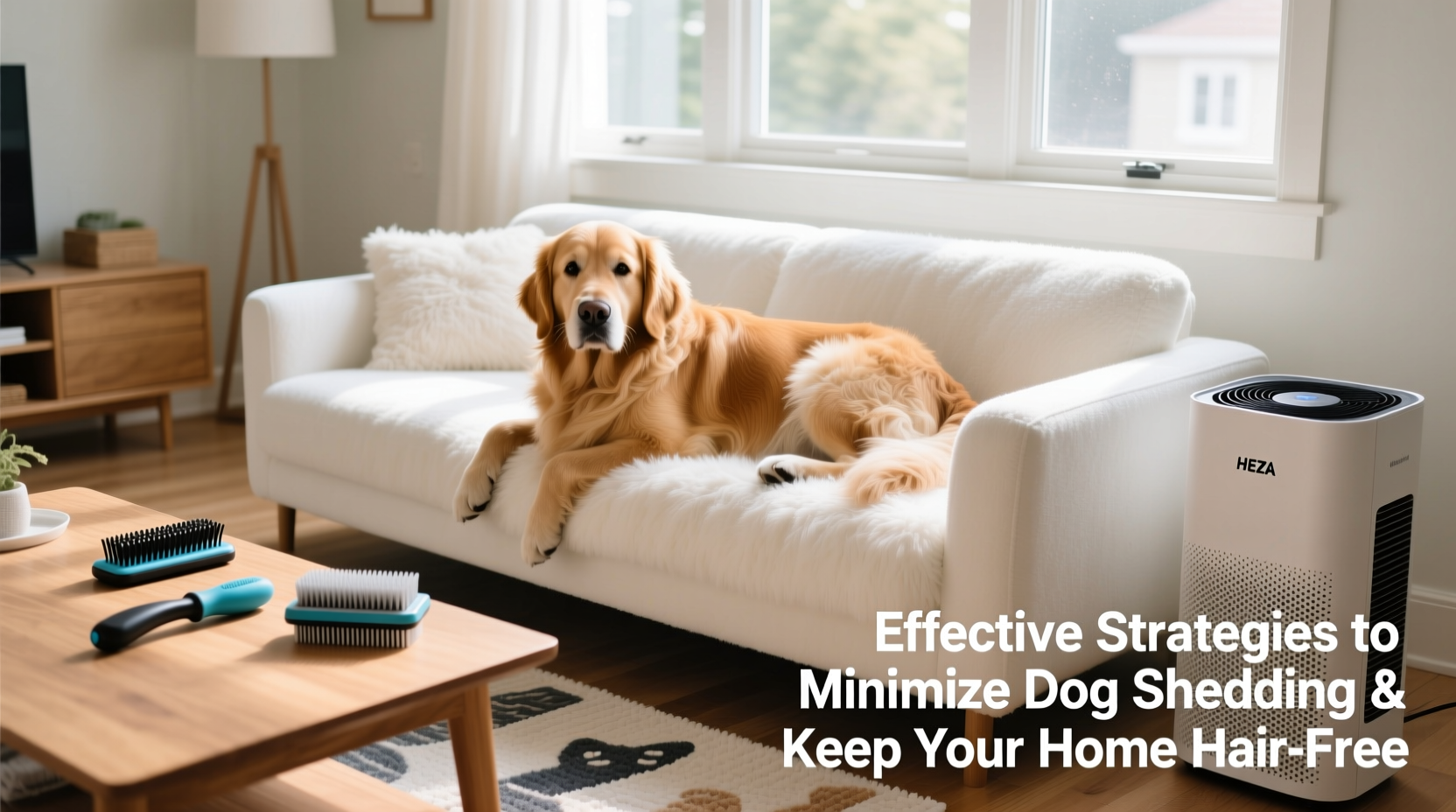
Before tackling shedding, it's important to understand what drives it. Dogs naturally shed as part of their coat renewal cycle, influenced by breed, season, age, and health. However, excessive shedding may signal underlying issues such as poor diet, dehydration, allergies, parasites, or hormonal imbalances like hypothyroidism.
Seasonal shedding—often called \"blowing the coat\"—typically occurs in spring and fall when dogs adjust to temperature changes. Indoor dogs exposed to artificial lighting may shed year-round due to disrupted light cycles. Stress, lack of hydration, and low-quality food can also contribute to increased hair loss.
“Shedding is normal, but sudden or patchy hair loss should prompt a vet visit. It could indicate skin disease or systemic illness.” — Dr. Laura Simmons, DVM, Canine Dermatology Specialist
Optimize Your Dog’s Diet for a Healthier Coat
Nutrition plays a foundational role in coat health. A diet rich in essential fatty acids, particularly omega-3 and omega-6, supports skin hydration and strengthens hair follicles, reducing breakage and shedding.
Look for high-quality dog foods that list whole meats as the first ingredient and include added fish oil, flaxseed, or sunflower oil. Avoid fillers like corn, soy, and by-products, which offer little nutritional value and may trigger inflammation or allergic reactions leading to dry skin and excess shedding.
Tip: Add one teaspoon of pure salmon oil per 20 pounds of body weight to your dog’s meal daily for improved coat shine and reduced shedding.Foods That Support Coat Health
- Fatty fish (salmon, sardines)
- Eggs (cooked, for biotin and protein)
- Coconut oil (in moderation, supports skin elasticity)
- Leafy greens (rich in antioxidants)
- Lean meats (chicken, turkey, beef)
Always introduce new foods gradually and consult your veterinarian if your dog has food sensitivities.
Establish a Strategic Grooming Routine
Grooming is the most direct way to control shedding. Regular brushing removes dead hair before it ends up on your sofa or in the air. The frequency and tools depend on your dog’s coat type:
| Coat Type | Recommended Brush | Brushing Frequency |
|---|---|---|
| Short (e.g., Beagle, Boxer) | Rubber curry brush or bristle brush | Weekly |
| Double (e.g., Husky, Malamute) | Undercoat rake + slicker brush | 2–3 times weekly (daily during shedding season) |
| Long (e.g., Shih Tzu, Collie) | Pinning comb + de-matting tool | Daily |
| Curly/Wiry (e.g., Poodle, Bichon) | Slicker brush + steel comb | Every other day |
Bathing every 4–6 weeks with a moisturizing, oatmeal-based shampoo helps loosen dead hair and soothe the skin. Over-bathing strips natural oils and can worsen shedding.
Step-by-Step Deshedding Grooming Session
- Start with a thorough brushing to remove tangles and loose undercoat.
- Bathe using lukewarm water and a gentle deshedding shampoo.
- Rinse thoroughly—leftover shampoo residue causes itching and flaking.
- Use a high-velocity dryer to blow out undercoat while brushing.
- Finish with a leave-in conditioner or coat spray for added moisture.
Home Management: Reducing Hair Accumulation Indoors
No matter how well you groom your dog, some hair will still end up in your home. Smart environmental strategies can minimize its spread and make cleanup easier.
Choose furniture covers made from tightly woven, microfiber materials—they resist pet hair and are machine washable. Use washable throws on couches and dog beds. Vacuum at least three times a week using a HEPA-filter vacuum designed for pet hair. Hardwood, tile, or vinyl flooring are far easier to clean than carpet.
Tip: Run an air purifier with a HEPA filter to capture airborne dander and loose hair particles, improving indoor air quality.Household Cleaning Checklist
- Vacuum carpets, rugs, and upholstery 3x weekly
- Wipe down baseboards and vents monthly
- Wash dog bedding every 7–10 days
- Use lint rollers on clothes and furniture
- Damp-mop hard floors to trap fine hairs
- Keep a “dog-free” zone (e.g., bedroom) to limit hair spread
Real-Life Example: Managing a Heavy-Shedding Siberian Husky
Meet Maya, a 3-year-old Siberian Husky owned by the Thompson family in Colorado. During spring shedding season, Maya was leaving clumps of fur throughout the house—up to five inches thick under furniture. The family tried daily sweeping, but it made little difference.
They consulted a professional groomer who recommended a dual approach: using an undercoat rake twice weekly and switching to a high-omega kibble. They also invested in a robot vacuum that runs daily and replaced their fabric couch with a leather sectional.
Within six weeks, visible hair accumulation dropped by over 70%. The Thompsons now spend less time cleaning and more time enjoying outdoor activities with Maya—all while maintaining a visibly cleaner home.
Frequently Asked Questions
Does shaving my dog reduce shedding?
No, shaving is not recommended for double-coated breeds. Their undercoat regulates temperature and protects against sunburn. Shaving can disrupt the growth cycle and lead to improper regrowth or skin damage. Instead, focus on proper brushing and deshedding tools.
Are there supplements that help reduce shedding?
Yes. Omega-3 and omega-6 fatty acid supplements, biotin, and probiotics have been shown to improve coat condition. Always choose vet-approved brands and avoid overdosing. Results typically appear after 6–8 weeks of consistent use.
How do I know if my dog’s shedding is abnormal?
Normal shedding produces loose hair without bald patches, redness, or sores. If you notice thinning coat, scabs, excessive scratching, or behavioral changes, consult your veterinarian. These may be signs of allergies, infections, or endocrine disorders.
Final Thoughts and Action Plan
Minimizing dog shedding isn’t about eliminating it completely—it’s about managing it intelligently. The most effective strategy combines internal care (diet and hydration), external maintenance (grooming), and environmental control (cleaning and home setup). When these elements work together, even heavy-shedding breeds can coexist with a clean, comfortable home.
Start small: pick one area to improve this week. Maybe it’s adding fish oil to your dog’s bowl, scheduling a professional deshedding bath, or upgrading your vacuum. Small, consistent actions compound into lasting results.
💬 What’s your best tip for managing pet hair at home? Share your experience in the comments and help fellow dog owners find practical solutions!








