Aquariums are delicate ecosystems where stability is key. One of the most critical parameters for fish health is water temperature. When temperatures rise above safe thresholds—often due to seasonal heat, inadequate ventilation, or equipment issues—fish can suffer from stress, reduced oxygen levels, weakened immunity, and even death. Tropical species like bettas and tetras thrive between 75°F and 80°F (24–27°C), while coldwater fish such as goldfish prefer cooler ranges around 65°F–72°F (18–22°C). Exceeding these limits, even temporarily, can be dangerous. Fortunately, several proven methods exist to safely reduce and stabilize aquarium temperatures. This guide outlines practical, reliable strategies backed by aquarists and aquatic biologists to keep your fish cool and thriving.
Understanding Heat Stress in Fish
Fish are ectothermic, meaning their body temperature matches that of their environment. Sudden or prolonged increases in water temperature accelerate their metabolism, increasing oxygen demand at a time when warm water holds less dissolved oxygen. This double burden leads to respiratory distress. Signs of heat stress include rapid gill movement, gasping at the surface, lethargy, loss of appetite, and erratic swimming. In extreme cases, elevated temperatures promote harmful bacteria and algae blooms, further endangering tank inhabitants.
It’s crucial to act quickly if you notice rising temperatures. A sustained increase of just 5°F above the ideal range can trigger stress responses. The goal isn’t only to cool the water but to do so gradually—no more than 2°F per hour—to avoid shocking the fish.
Tip: Use a digital aquarium thermometer with high accuracy to monitor real-time changes, especially during heatwaves.Proven Methods to Lower Aquarium Temperature
Not all cooling techniques are equally effective or safe. Some popular DIY hacks, like floating ice cubes, can cause dangerous temperature swings. Instead, rely on controlled, consistent approaches.
1. Improve Air Circulation and Ventilation
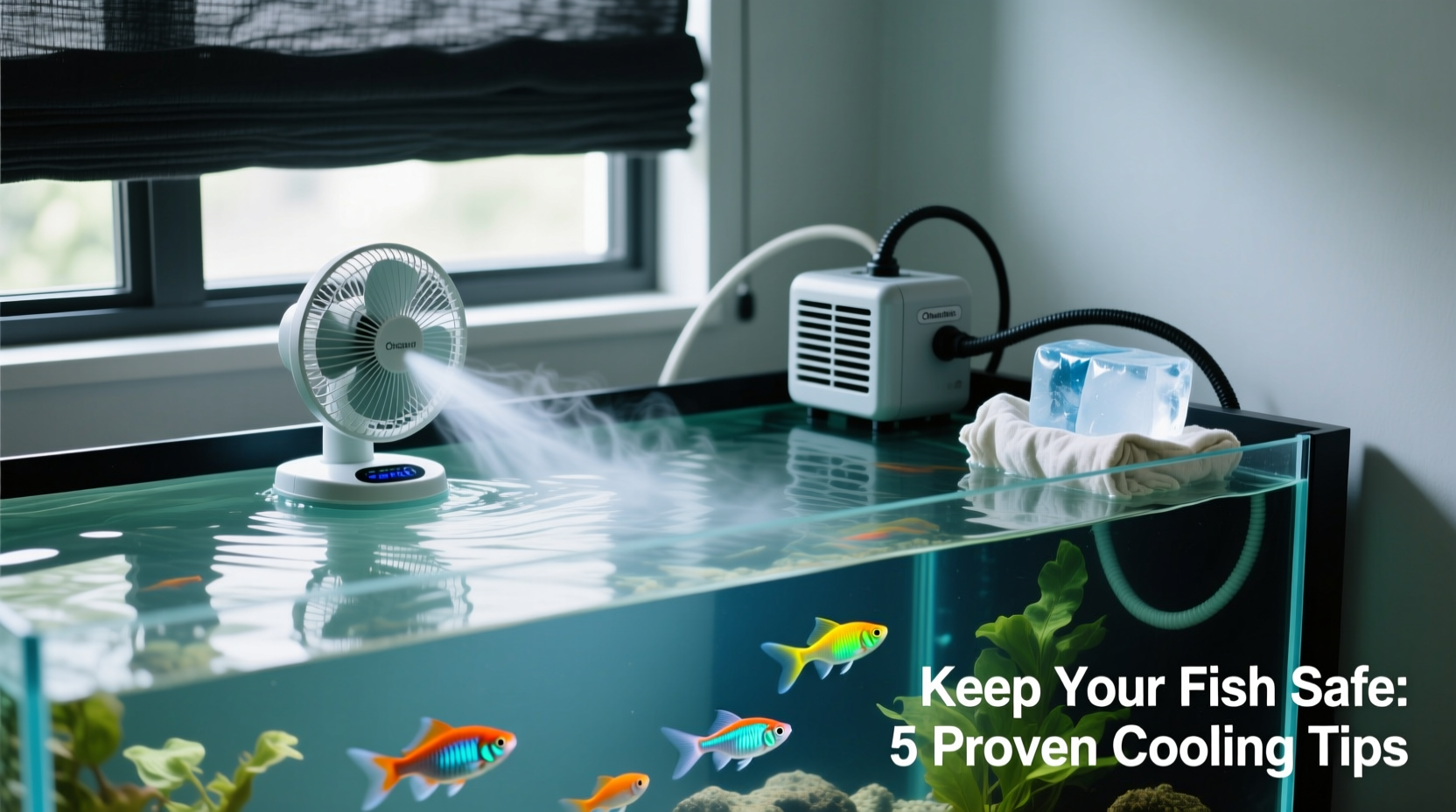
Heat builds up in enclosed spaces. If your aquarium is under a hood or in a cabinet, poor airflow traps warmth. Removing the hood partially or using a mesh lid allows heat to escape through evaporation and convection. Placing a small fan to blow across the water surface enhances evaporative cooling—typically lowering the temperature by 2°F to 5°F depending on room humidity.
“Surface agitation from fans not only cools the water but also increases gas exchange, improving oxygen levels.” — Dr. Lena Torres, Aquatic Biologist
2. Relocate the Tank Away from Heat Sources
Sunlight, radiators, and electronics emit heat that directly affects water temperature. Even indirect sunlight through a window can turn an aquarium into a solar heater. Move the tank to a shaded, climate-controlled area. North-facing rooms typically receive less direct light. Avoid placing aquariums near TVs, computers, or heating vents.
3. Use a Dedicated Aquarium Chiller
For serious hobbyists or those in consistently hot climates, an aquarium chiller is the most reliable solution. These units function like mini-refrigerators, circulating water through a cooling system before returning it to the tank. Chillers maintain precise temperatures and are essential for reef tanks or sensitive species. While expensive ($150–$500), they offer unmatched control and safety.
4. Employ Cooling Fans with Evaporative Control
A clip-on fan directed at the water surface promotes evaporation, which naturally cools the tank. For best results, pair the fan with a thermostat-controlled switch so it activates only when temperatures exceed a set point. Be aware that increased evaporation raises salinity in saltwater tanks and requires regular top-offs with fresh water to maintain balance.
5. Perform Controlled Water Changes
If immediate cooling is needed, conduct a partial water change using pre-cooled, dechlorinated water. Match the new water’s temperature to the tank’s current level, then gradually introduce slightly cooler water over successive changes. Never add cold water directly—it can shock fish and destabilize the ecosystem.
Tip: Pre-chill replacement water by placing sealed containers in the refrigerator (not freezer) for a few hours.Step-by-Step Guide: Emergency Cooling During a Heatwave
When ambient temperatures spike unexpectedly, follow this sequence to protect your fish:
- Monitor: Confirm rising temperature with a reliable thermometer.
- Shade: Close curtains or blinds to block sunlight; cover the tank with a light towel if necessary.
- Ventilate: Remove solid hoods and position a fan to blow across the water surface.
- Cool Gradually: Prepare 10–15% of tank volume with water cooled to 2–3°F below current temperature. Replace slowly.
- Observe: Watch fish behavior closely. Look for signs of recovery or continued distress.
- Stabilize: Once within safe range, maintain cooling measures until ambient conditions improve.
Do’s and Don’ts of Aquarium Cooling
| Do’s | Don’ts |
|---|---|
| Use a fan to increase surface evaporation | Place ice packs directly in the tank |
| Perform gradual, temperature-matched water changes | Add cold tap water without acclimation |
| Invest in a chiller for tropical setups in hot climates | Turn off filters or heaters abruptly |
| Install a thermostat-controlled cooling system | Leave the tank in direct sunlight |
| Monitor pH and oxygen levels during cooling | Ignore signs of gasping or stress |
Real-World Example: Managing Summer Heat in a Community Tank
In Austin, Texas, aquarist Marcus Rivera noticed his 55-gallon community tank—home to angelfish, corydoras, and neon tetras—rising to 84°F during a July heatwave. His fish began gasping at the surface. He immediately turned off the aquarium lights, closed the blinds, and placed a small desk fan to blow across the open-top tank. Over the next two hours, the temperature dropped to 80°F. He followed up with a 10% water change using refrigerated, dechlorinated water. Within 24 hours, fish resumed normal activity. Marcus now uses a thermostat-controlled fan and plans to install a chiller before the next summer.
Essential Cooling Checklist
- ✅ Check current water temperature with a calibrated thermometer
- ✅ Remove sources of external heat (sunlight, electronics)
- ✅ Increase surface airflow using a fan or open lid
- ✅ Prepare cooled, dechlorinated water for partial changes
- ✅ Monitor fish behavior and oxygen levels
- ✅ Consider long-term solutions like chillers or thermostats
- ✅ Avoid rapid temperature drops or uncontrolled ice use
Frequently Asked Questions
Can I use frozen water bottles to cool my aquarium?
Yes, but with caution. Seal frozen water in plastic bottles and float them in the tank. Rotate them every 30–45 minutes to prevent localized chilling. Never use open ice or saltwater-filled containers, as they alter water chemistry.
How low should I let the temperature drop during cooling?
Never drop more than 2°F per hour. Aim to reach the upper end of your species’ ideal range, not the lowest. For most tropical fish, 76°F–78°F is optimal. Rapid cooling is as dangerous as overheating.
Will a chiller harm beneficial bacteria?
No. Chillers cool water gradually and do not affect biological filtration when used properly. However, sudden temperature shifts—even downward—can stress nitrifying bacteria. Always ramp down slowly.
Conclusion: Proactive Care Keeps Fish Safe
Maintaining a stable aquarium temperature isn’t just about comfort—it’s a matter of survival. As global temperatures rise and indoor environments fluctuate, proactive cooling strategies become essential for responsible fishkeeping. From simple ventilation fixes to advanced chillers, the tools exist to protect your aquatic pets. By understanding the risks of heat stress and implementing reliable cooling methods, you create a resilient, healthy habitat. Monitor daily, respond swiftly, and plan ahead. Your fish depend on it.
💬 Have you faced a heat emergency in your aquarium? Share your story or cooling tips in the comments—your experience could help another aquarist in need.








