Squeaky dog toys are a staple in most pet households—beloved by dogs for their sound and texture, and trusted by owners for encouraging mental stimulation and physical activity. But anyone who’s had a dog knows the inevitable: the satisfying squeak disappears, often within days or weeks. The culprit? Wear, tear, and punctures from enthusiastic chewing. While no toy lasts forever, many can be significantly extended in both lifespan and noise function with proper care. By adopting practical, science-backed strategies, pet owners can preserve the integrity of these toys, reduce waste, and save money over time.
Choose High-Quality Materials Wisely
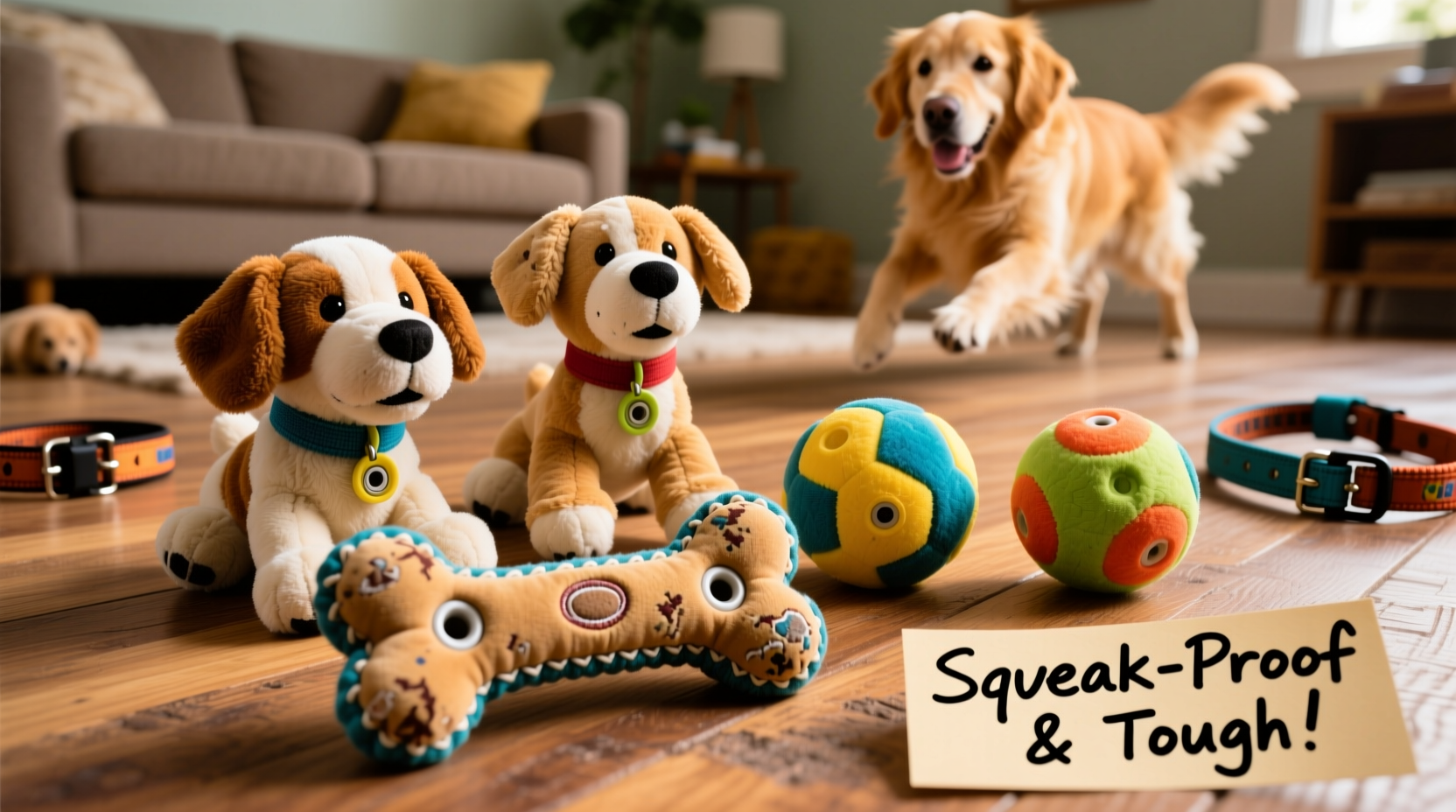
The durability of a squeaky toy begins long before it reaches your dog’s mouth—it starts at the point of purchase. Not all squeakers are created equal. Toys made from low-grade rubber or thin polyester fabric may burst under moderate pressure. In contrast, high-density natural rubber, reinforced nylon, or multi-layered vinyl construction can withstand persistent gnawing.
Look for brands that emphasize “tough” or “heavy-duty” designs specifically for power chewers. Some manufacturers embed multiple internal layers or use puncture-resistant squeaker chambers. These features don’t guarantee indestructibility, but they dramatically slow down the degradation process.
Tip: Avoid toys with external squeakers or exposed seams—these are the first points of failure during aggressive play.Rotate Toys to Reduce Wear and Extend Lifespan
Dogs thrive on novelty. Introducing variety into their play routine isn’t just mentally enriching—it also reduces repetitive stress on individual toys. When one squeaky toy is used daily, friction, saliva exposure, and mechanical strain accumulate rapidly. Rotating a set of 3–5 squeaky toys every few days allows each toy time to “rest,” minimizing material fatigue.
A rotation schedule works best when combined with storage discipline. Keep unused toys out of reach in a dry, ventilated container. This prevents accidental chewing and keeps them clean and ready for reintroduction.
“Dogs don’t need constant access to all their toys. Rotation mimics natural foraging behavior and prolongs toy life.” — Dr. Rebecca Langston, DVM, Canine Behavior Specialist
Inspect and Maintain After Every Use
Regular inspection is one of the most overlooked yet effective maintenance habits. After each play session, take 30 seconds to examine the toy for signs of damage: small punctures, seam splits, or muffled squeaks. Early detection means you can intervene before total failure occurs.
If you notice minor wear but no rupture, consider applying a temporary seal using non-toxic, pet-safe adhesive designed for rubber or vinyl. Never attempt repairs if the squeaker mechanism is already exposed—this poses a choking hazard.
Step-by-Step Toy Maintenance Routine
- Remove the toy after 10–15 minutes of active play (especially for strong chewers).
- Wipe down with a damp cloth to remove dirt and saliva.
- Inspect for punctures, fraying, or soft spots.
- Listen to the squeak—muffled sounds indicate internal moisture or partial deflation.
- Disinfect weekly using a solution of 1 part vinegar to 3 parts water; air dry completely.
- Store in a cool, dry place away from direct sunlight.
Control Playtime Intensity
Unsupervised play often leads to overexertion—both for the dog and the toy. Dogs left alone with squeaky toys may become hyper-focused, attacking them relentlessly until destruction. Supervised sessions allow you to intervene when chewing becomes too aggressive.
Limited playtimes also reinforce the value of the toy. When access is controlled, dogs tend to engage more mindfully. Combine this with positive reinforcement: praise gentle mouthing and redirect destructive biting with commands like “easy” or “drop it.”
| Do | Don't |
|---|---|
| Supervise play sessions | Leave toys unattended overnight |
| Limit intense chewing to 10–15 minutes | Allow continuous chewing beyond 20 minutes |
| Clean toys weekly | Use harsh chemicals like bleach |
| Store in a dry, shaded area | Leave toys in hot cars or humid basements |
| Replace at first sign of internal squeaker exposure | Let dogs play with broken or deflating toys |
Real Example: How Max’s Owner Doubled Toy Longevity
Max, a two-year-old Australian Cattle Dog, was notorious for destroying squeaky toys within 48 hours. His owner, Sarah, tried everything—from “indestructible” labels to freezing toys—but nothing worked. Then she implemented a structured rotation system with four high-quality rubber squeakers. She limited play to 10 minutes twice a day, inspected each toy afterward, and cleaned them every Sunday.
She also began storing the toys in a sealed bin labeled “Max’s Special Toys,” making them feel novel each time they reappeared. Within a month, the average lifespan of each toy increased from two days to nearly three weeks. One toy even lasted 38 days before the squeaker failed. The key wasn’t better toys alone—it was consistent care and behavioral management.
Expert-Backed Checklist for Long-Lasting Squeaky Toys
- ✅ Buy toys made from thick, puncture-resistant materials
- ✅ Rotate at least 3–5 squeaky toys weekly
- ✅ Inspect for damage after every use
- ✅ Clean with pet-safe disinfectant once per week
- ✅ Limit aggressive chewing sessions to under 15 minutes
- ✅ Store in a dry, UV-protected environment
- ✅ Replace immediately if the squeaker is exposed
- ✅ Supervise all play involving squeaky toys
Frequently Asked Questions
Can I wash squeaky toys in the dishwasher?
No. The high heat and strong detergents can warp plastic squeakers, degrade adhesives, and crack rubber. Stick to hand-washing with mild soap and vinegar solutions to preserve structural integrity.
Why does the squeak stop even if the toy isn’t torn?
Moisture from saliva can seep into tiny micro-cracks or around the squeaker housing, dampening the sound mechanism. Over time, repeated exposure causes corrosion or warping of the internal diaphragm, rendering it silent. Regular drying after cleaning helps prevent this.
Are there truly indestructible squeaky toys?
No toy is completely indestructible for all dogs. However, some brands like West Paw, Planet Dog, and Kong offer “guaranteed tough” models with replaceable squeakers or reinforced cores. Even these should be monitored closely with aggressive chewers.
Final Thoughts: Make Noise Last Longer
Prolonging the life of squeaky dog toys isn’t about finding a magic product—it’s about combining smart selection with disciplined care. Durability hinges on material quality, usage patterns, and proactive maintenance. By rotating toys, limiting chewing intensity, inspecting regularly, and storing properly, you can stretch the joy of that signature squeak far beyond the usual timeline.
Every dog deserves the thrill of a good squeak. With these strategies, you’re not just preserving toys—you’re enhancing play, promoting safety, and investing in smarter pet ownership. Start today: gather your current squeaky collection, assess their condition, and implement a simple rotation and cleaning plan. Your dog will keep bouncing, barking, and squeaking—longer than you thought possible.
💬 Have a squeaky toy success story or a favorite durable brand? Share your experience in the comments and help fellow pet owners make smarter choices!








