In the face of global uncertainty or hypothetical end-of-world scenarios, pet owners naturally worry about their animals’ survival. While the idea of a “last day on Earth” may seem abstract, it underscores a real need: preparing for extreme emergencies where normal systems fail. Dogs, as dependent companions, rely entirely on humans for food, safety, and emotional stability. Ensuring they remain fed and emotionally balanced—even under apocalyptic conditions—requires foresight, preparation, and calm decision-making.
This guide outlines practical, science-backed strategies to sustain your dog’s nutrition, hydration, and psychological well-being when conventional resources vanish. These aren’t speculative ideas; they’re derived from disaster response protocols, veterinary recommendations, and behavioral science.
1. Secure Long-Term Food Sources Before Systems Collapse
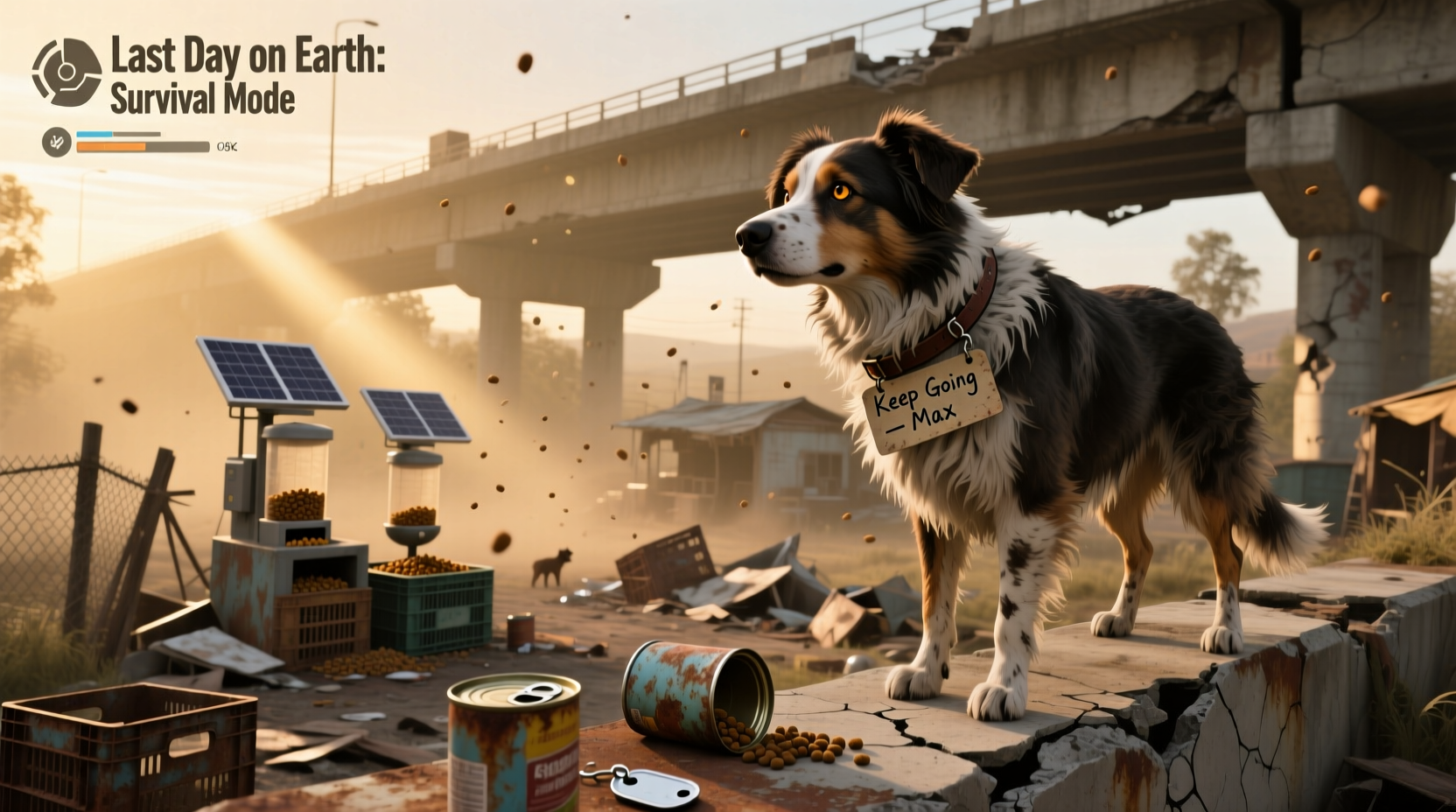
The first step in ensuring your dog survives the final hours—or days—of civilization is securing non-perishable, nutrient-dense food. Commercial dog food stored properly can last months to years. Rotate stock every six months to maintain freshness. Prioritize dry kibble over wet food if space and shelf life are concerns, though canned food offers higher moisture content, which becomes crucial if water is scarce.
Alternative protein sources should also be considered. Dehydrated meats, fish flakes, or even human-grade emergency rations (low in spices and toxic ingredients like onions or garlic) can sustain a dog temporarily. Avoid chocolate, grapes, xylitol, and alcohol at all costs.
Tip: Store at least two weeks' worth of dog food per pet in airtight, labeled containers away from heat and moisture.2. Water: The Non-Negotiable Priority
A dog can survive days without food but only 48–72 hours without water. In a total-systems-down scenario, access to clean water will likely vanish quickly. Prepare by storing one gallon per dog per day in food-grade containers. Rotate every six months.
If supplies run low, prioritize boiling any found water before giving it to your dog. Portable filtration straws or UV purifiers can make streams, puddles, or rainwater safe. Never allow your dog to drink from stagnant ponds or chemically treated pools.
“Hydration status directly impacts organ function and cognitive clarity in dogs. Even mild dehydration can trigger lethargy, vomiting, and collapse.” — Dr. Lena Reyes, DVM, Emergency Veterinary Services
3. Build a Psychological Safety Net
Dogs sense human stress and react to environmental chaos. During societal breakdown, loud noises, unfamiliar movements, and disrupted routines can induce panic, aggression, or withdrawal. To keep your dog mentally stable:
- Maintain feeding and walking schedules as much as possible.
- Use familiar commands and soothing tones to reinforce trust.
- Create a quiet, enclosed space—a crate or closet—with blankets and toys—to serve as a sensory refuge.
- Avoid exposing your dog to large crowds, fires, or violent scenes.
Physical contact—petting, grooming, holding close—releases oxytocin in both humans and dogs, reducing anxiety. This bond becomes a mutual survival tool.
4. Emergency Feeding Alternatives When Supplies Run Out
If stored food depletes, you must turn to alternative nutrition. Not all human foods are safe, but some are viable in moderation. Below is a comparison of acceptable versus dangerous options:
| Safe Options (in small portions) | Risks & Limitations |
|---|---|
| Cooked chicken (no seasoning) | High in protein; avoid bones |
| Plain rice or oatmeal | Easily digestible; pair with protein |
| Scrambled egg (fully cooked) | Rich in fats and amino acids |
| Pumpkin (pureed, unsweetened) | Helps digestion; not a full meal |
| Avoid: Garlic, onions, avocado, macadamia nuts | Toxic even in tiny amounts |
Never feed raw meat unless absolutely necessary and sourced cleanly—bacterial contamination risks (like Salmonella) increase in compromised environments.
5. A Realistic Scenario: The Johnson Family’s Final 24 Hours
The Johnsons lived in a suburban area when news broke of an irreversible atmospheric collapse. With 36 hours until impact, they activated their emergency plan. Their two dogs, a Border Collie and a senior Chihuahua, had designated go-bags: each containing five days of kibble, collapsible bowls, leashes, medications, and favorite toys.
They moved to a basement shelter lined with thick mats and soundproofing blankets. Calm music played softly. The family maintained routine—feeding at 7 AM and 6 PM, short indoor “walks” circling the room, frequent belly rubs. When kibble ran low on hour 22, they boiled frozen chicken breast and mixed it with instant rice from their pantry. Both dogs remained alert, calm, and physically stable until the end.
Their success wasn’t luck—it was preparation meeting consistency.
Step-by-Step: 24-Hour Survival Plan for Your Dog
- Hour 0–6: Gather emergency kit, confirm food/water stores, secure dog in safe zone.
- Hour 6–12: Feed first full meal, provide fresh water, monitor for signs of distress (panting, pacing).
- Hour 12–18: Engage in calming activities—gentle brushing, soft talking, light play with stuffed toys.
- Hour 18–24: Offer second meal using backup rations if needed. Maintain physical contact. Avoid introducing new foods or environments.
- Final Hours: Stay close. Use your presence as an anchor. Speak reassuringly. Let your dog rest beside you.
Essential Emergency Checklist for Dog Owners
- ✔ 7-Day Food Supply
- Dry kibble, canned food, or dehydrated meals rotated quarterly.
- ✔ 1 Gallon Water Per Day
- Stored in BPA-free containers; include purification tablets.
- ✔ Medications & First Aid Kit
- Include pain relievers (vet-approved), bandages, antiseptic wipes.
- ✔ Comfort Items
- Leash, collar with ID, blanket, chew toy, photo of family (for scent comfort).
- ✔ Communication Plan
- Designate a meeting point if separated; share vet records digitally.
Frequently Asked Questions
Can I feed my dog human survival rations?
Only if specifically formulated for pets or clearly free of toxic ingredients. Most MREs contain onion powder, excessive salt, or spices unsafe for dogs. Check labels carefully.
What if my dog refuses to eat?
Stress often suppresses appetite. Try warming food slightly, hand-feeding small bites, or adding low-sodium broth. If refusal persists beyond 12 hours and hydration is low, consult a vet immediately—if available.
Should I euthanize my dog to prevent suffering?
This is an intensely personal decision. If humane veterinary care is accessible, discuss options calmly. In absence of care, focus on comfort: stay close, speak gently, offer water, and minimize exposure to fear-inducing stimuli. Peaceful presence matters more than intervention.
Final Thoughts: Care Beyond Survival
Preparing your dog for the unimaginable isn't just about calories and water. It's about preserving dignity, connection, and love until the very end. A dog doesn’t understand apocalypse—they only know whether they feel safe, fed, and loved. By planning ahead, staying calm, and acting with compassion, you give your companion the greatest gift: the assurance that they are not alone.
💬 Your dog depends on you—not just for food, but for peace. Start today: pack a bag, store water, practice the routine. Because loyalty deserves preparation.








