
Cats are naturally curious creatures, often drawn to explore beyond their own territory. While outdoor access may seem enriching, it brings risks—especially when your cat wanders into a neighbor’s yard or even inside their home. Uninvited feline visitors can strain relationships, expose your pet to illness, or lead to dangerous situations like traffic accidents or altercations with other animals. The good news is that with thoughtful planning and consistent effort, you can create an environment that keeps your cat content, stimulated, and safely within your own home.
Create a Stimulating Indoor Environment
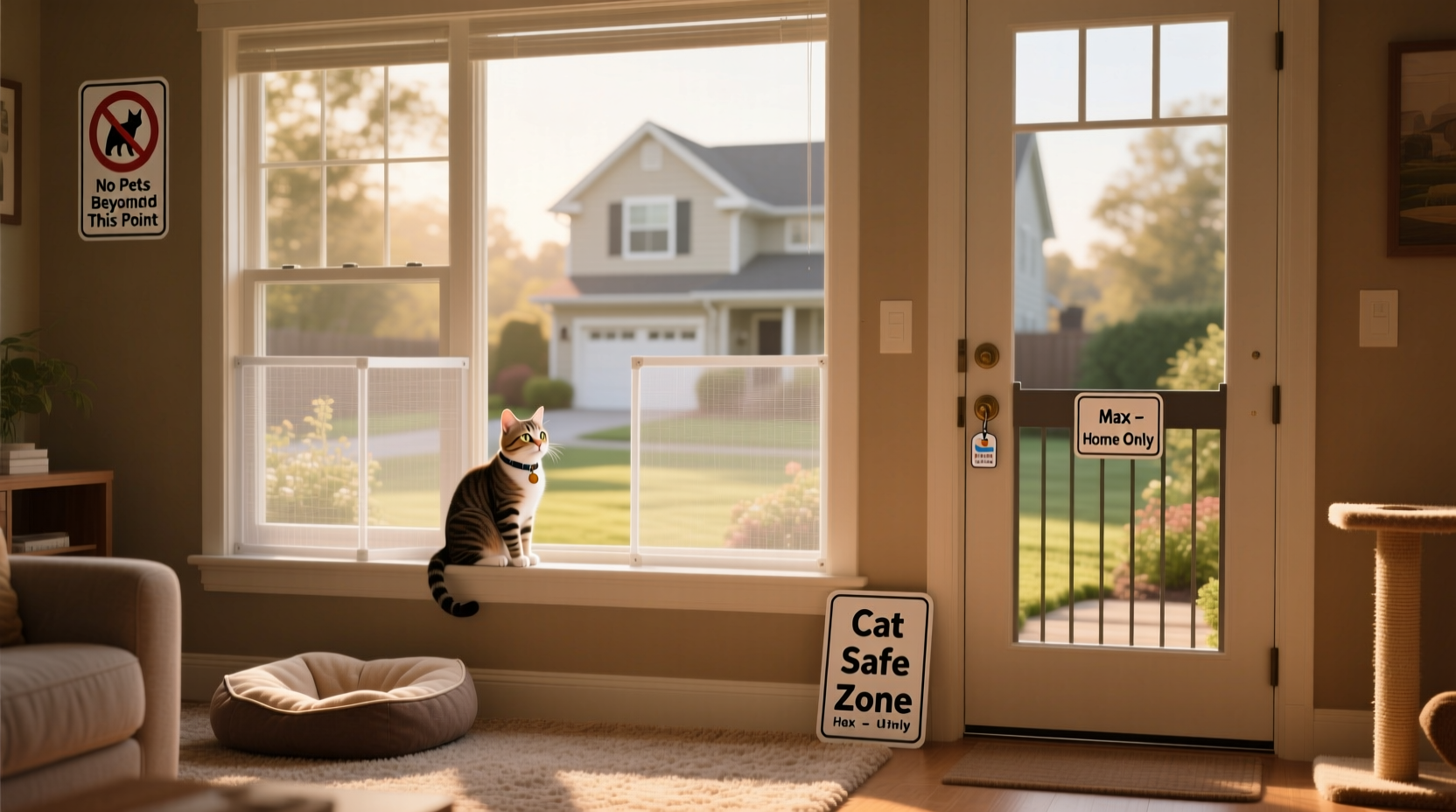
One of the primary reasons cats seek out neighboring homes is boredom. A house that lacks vertical space, toys, or sensory engagement pushes cats to search for excitement elsewhere. Enriching your indoor space transforms your home into a self-contained playground.
Start by installing cat shelves, perches near windows, or climbing trees. These allow your cat to survey their domain from elevated vantage points—a behavior rooted in their instinctual need for safety and observation. Rotate toys regularly to maintain novelty: feather wands, puzzle feeders, and motorized mice can mimic prey movement and trigger hunting instincts.
Tip: Place bird feeders outside a window your cat can watch from a perch. This provides hours of natural entertainment without leaving the house.Consider introducing cat-safe plants like catnip or wheatgrass. Not only do they offer sensory stimulation, but chewing on them supports dental health and reduces stress. Combine these elements with daily interactive play sessions lasting 10–15 minutes to satisfy your cat’s predatory drive and reduce the urge to roam.
Secure All Entry Points
A common oversight is assuming your cat won’t escape through small gaps. Cats can squeeze through openings as narrow as 4 inches wide. Doors left ajar, unlatched windows, or pet doors accessible to other animals are all potential exit routes.
Inspect your home thoroughly: check screens for tears, ensure storm doors close completely, and avoid using spring-loaded screen doors that cats can push open. If you have a basement or garage, confirm that shared walls or utility access points aren’t providing a path to adjacent properties.
“Over 60% of cats that enter neighbor’s homes do so because of unsecured entry points the owner wasn’t aware of.” — Dr. Lena Torres, Feline Behavior Specialist, American Association of Feline Practitioners
If you use a pet door, consider upgrading to a microchip-activated model. These only unlock for your cat’s implanted chip or collar tag, preventing strays—or your own cat—from freely moving in and out. Alternatively, remove the pet door entirely and supervise any outdoor time in a secured catio or on a harness.
Understand and Address Territorial Triggers
Cats are territorial by nature. When they detect the scent of another cat—whether from a neighbor’s pet marking near your fence or lingering on shoes brought indoors—they may feel compelled to investigate or defend their space. This often leads them toward neighboring yards or homes.
To minimize this impulse, wipe down shoes before entering the house if you’ve walked through areas frequented by outdoor cats. Use enzymatic cleaners on any spots where your cat has marked, as residual scents can encourage repeat behavior.
| Trigger | Solution |
|---|---|
| Neighbor’s cat spraying near windows | Block visual access with blinds; apply synthetic calming pheromones (e.g., Feliway) |
| Cat bringing home foreign scents | Wipe paws after supervised outdoor time; launder bedding weekly |
| Unneutered male roaming | Neuter early; consult vet about behavioral hormones |
Neutering significantly reduces roaming tendencies, especially in males. Studies show neutered cats are up to 90% less likely to wander far from home. For multi-cat households, ensure each cat has its own resources—food bowls, litter boxes, resting areas—placed in separate zones to reduce competition and stress-induced escape attempts.
Step-by-Step Guide to Cat-Proofing Your Home
Follow this timeline to systematically eliminate escape risks and reinforce indoor living:
- Week 1: Audit your home. Walk around each room and identify all potential exits—windows, doors, balconies, garages. Note any weak spots.
- Week 2: Install physical barriers. Fit window guards, secure screens, and install baby gates in high-traffic exit areas.
- Week 3: Introduce enrichment. Add two new toys, a scratching post, and a window perch. Begin scheduled play sessions.
- Week 4: Monitor behavior. Track when your cat shows interest in exits. Redirect with toys or treats. Use pheromone diffusers if anxiety signs appear.
- Ongoing: Reinforce routines. Maintain playtime, rotate toys monthly, and recheck security seasonally—especially during warmer months when windows are open.
Real-Life Example: The Johnson Family’s Solution
The Johnsons lived in a quiet suburban neighborhood where their tabby, Milo, began sneaking into the same neighbor’s house three times a week. The neighbor was initially amused but grew concerned when Milo started using their litter box and eating their other cat’s food. After a conversation, the Johnsons realized Milo was slipping out when the back door was opened for garbage disposal.
They installed a motion-sensor alarm on the door, added a microchip pet door that only responded to their other cat (keeping Milo out), and built a sunlit catio off the kitchen. Within three weeks, Milo stopped attempting escapes. Instead, he spent hours watching birds from his new perch and playing with puzzle toys filled with kibble. The neighbor reported no further visits—and even complimented how calm Milo seemed.
Checklist: Keep Your Cat Safely Indoors
- ✅ Inspect and repair all window screens
- ✅ Install microchip-activated pet door (or remove pet door)
- ✅ Provide at least one vertical climbing structure per floor
- ✅ Neuter or spay your cat (if not already)
- ✅ Use pheromone diffusers in high-stress areas
- ✅ Rotate toys weekly to prevent boredom
- ✅ Supervise any outdoor access via harness or enclosed catio
- ✅ Clean litter boxes daily and maintain one per cat plus one extra
Frequently Asked Questions
Can I let my cat go outside if I supervise them?
Yes, but only under direct supervision and in a secure environment. A harness and leash or a fully enclosed catio (cat patio) allows safe outdoor exposure without the risk of wandering into neighbors’ homes or encountering dangers like traffic or predators.
What if my cat keeps trying to escape despite enrichment?
Persistent escape attempts may indicate underlying stress or medical issues. Consult your veterinarian to rule out pain or anxiety. You may also benefit from working with a certified feline behaviorist to identify triggers and modify behavior through positive reinforcement.
Are indoor cats happier than outdoor cats?
Studies consistently show that indoor cats live longer, healthier lives—averaging 12–18 years compared to 5–7 years for free-roaming cats. With proper enrichment, indoor cats exhibit lower rates of injury, disease, and parasite infestation, leading to greater overall well-being.
Final Thoughts
Keeping your cat safely at home isn’t about restriction—it’s about redirection. By understanding your cat’s instincts and meeting their needs within a secure environment, you eliminate the desire to wander. A well-enriched home, combined with vigilant entry-point management and social awareness of territorial behaviors, creates a sanctuary where your cat thrives without stepping a paw into a neighbor’s space.
💬 Have a story about keeping your cat at home—or dealing with a neighborhood feline visitor? Share your experience in the comments and help others build safer, more harmonious communities for cats and humans alike.








