Cats are fastidious creatures, but their litter boxes can unintentionally become magnets for pests—especially cockroaches. Roaches thrive in warm, moist environments with access to organic matter, making poorly maintained litter areas prime real estate. Beyond being unsettling, roaches pose health risks by spreading bacteria, allergens, and pathogens. The good news is that with proactive measures, you can protect your pet’s space and your home’s hygiene. This guide outlines science-backed, practical steps to deter roaches while keeping your cat comfortable and safe.
Why Roaches Are Attracted to Cat Litter Boxes
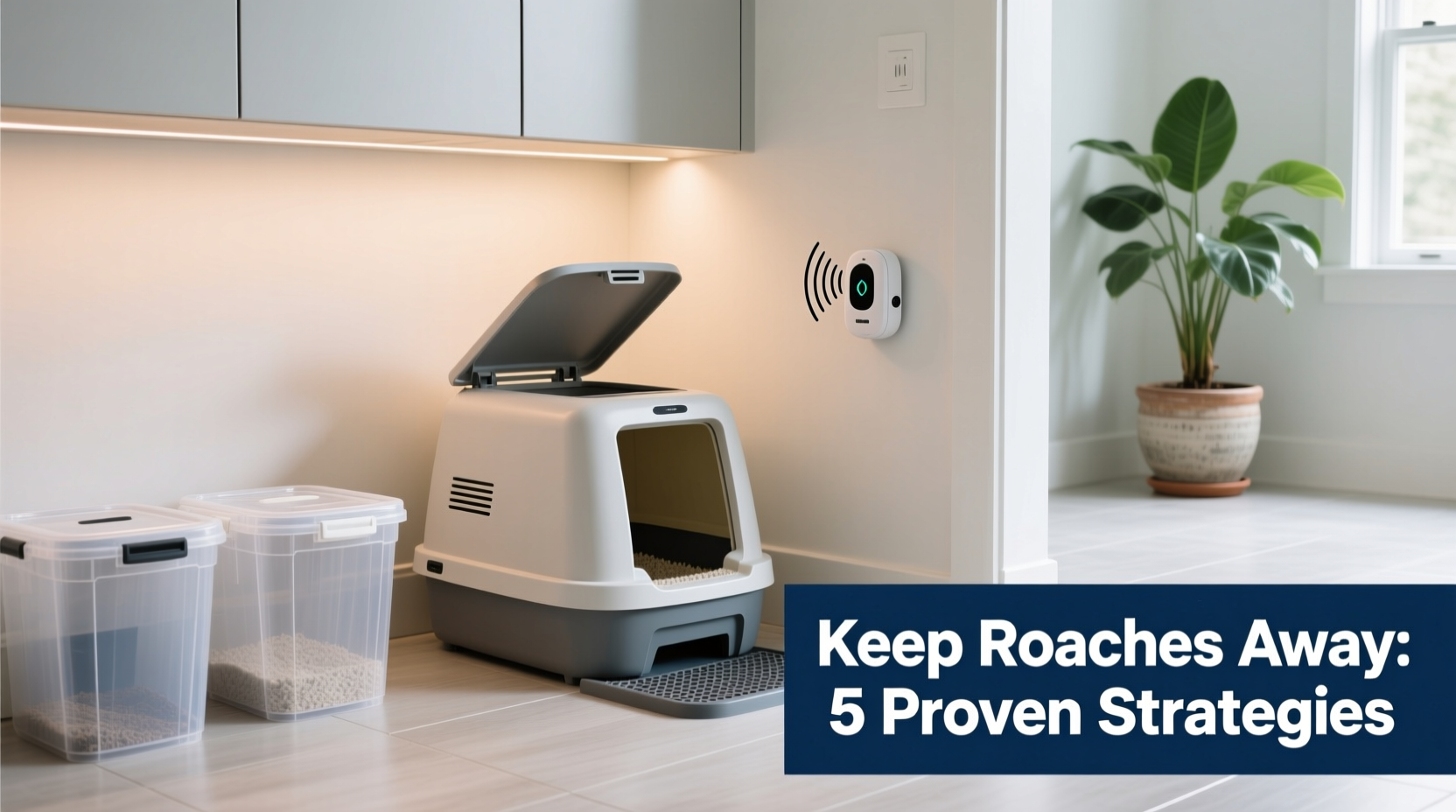
Cockroaches are scavengers drawn to moisture, warmth, and food sources. While they don’t eat cat waste directly, the organic material in soiled litter provides nitrogen and microbial activity that attracts them. Additionally, many litter boxes are placed in quiet, dark corners like laundry rooms or bathrooms—areas roaches already favor. Over time, spilled litter, urine-soaked clumps left on the floor, or infrequent cleaning create an ideal micro-environment for roach activity.
Common species like the German or American cockroach can reproduce rapidly. A single female may produce dozens of offspring in weeks. Once they detect a reliable resource like a litter box, they’ll establish nearby harborage, increasing the risk of infestation spreading through walls, pipes, and cabinets.
Effective Prevention Strategies
Preventing roach attraction starts with understanding their behavior and eliminating conditions that invite them. The following strategies form a comprehensive defense system:
1. Maintain a Strict Cleaning Schedule
Daily scooping removes fresh waste before it breaks down and emits odors that attract pests. Replace all litter completely every 2–4 weeks, depending on usage and type. Wash the box monthly with mild soap and water—avoid harsh chemicals that could harm your cat or linger in porous plastic.
Tip: Use unscented dish soap and rinse thoroughly to avoid residue that might repel your cat from using the box.2. Choose the Right Litter Box Setup
Opt for covered litter boxes with tight-fitting lids that limit odor dispersion. However, ensure adequate ventilation to prevent ammonia buildup, which harms your cat’s respiratory system. Some advanced models come with carbon filters that neutralize smells without chemicals. Place a mat underneath to catch kicked-out litter, reducing scattered organic debris on the floor.
3. Strategic Placement Matters
Avoid placing the litter box near plumbing leaks, damp walls, or food storage areas. Ideal locations are dry, well-ventilated, and easily accessible—but not in high-traffic human zones. Keep at least 10 feet between the litter area and kitchen or pantry spaces to discourage roaches from migrating between zones.
4. Seal Entry Points
Roaches enter homes through cracks in walls, gaps around pipes, and unsealed windows. Inspect the room where the litter box is located for potential entry points. Use silicone caulk to seal crevices and install door sweeps if the room leads outside or to a garage. Pay special attention to baseboards and utility penetrations.
Step-by-Step Guide to Roach-Proofing Your Litter Area
- Day 1 – Deep Clean: Remove all litter, scrub the box with warm, soapy water, and disinfect the surrounding floor and walls up to 12 inches high.
- Day 2 – Inspect & Seal: Check for cracks, gaps, or moisture issues near the litter zone. Seal openings and repair any leaks.
- Day 3 – Optimize Setup: Reinstall the box with fresh, clumping, low-dust litter. Add a sealed lid and anti-tracking mat.
- Ongoing – Daily Maintenance: Scoop waste daily, remove stray litter, and wipe edges of the box weekly.
- Monthly – Full Refresh: Replace all litter, wash the box, and vacuum the entire area including under furniture.
Do’s and Don’ts: Litter Box Management
| Do’s | Don’ts |
|---|---|
| Scoop waste daily | Leave waste in the box for more than 24 hours |
| Use clumping, unscented litter | Use heavily perfumed litters that mask odors (can stress cats) |
| Place box in a dry, ventilated area | Put the box in a damp basement or near leaking pipes |
| Seal cracks and gaps nearby | Ignore signs of moisture or mold near the box |
| Wash hands after handling litter | Allow children or immunocompromised individuals to clean the box |
Safe Pest Control Options Around Pets
Traditional roach sprays and baits often contain insecticides toxic to cats. Instead, opt for pet-safe alternatives:
- Diatomaceous earth (food-grade): Sprinkle lightly around the baseboard (not near the box) to dehydrate roaches. Ensure your cat cannot inhale or ingest it.
- Sticky traps: Place under and behind the litter box area to monitor and capture roaches without poison.
- Boric acid (used cautiously): Only apply in inaccessible crevices where pets cannot reach. Never scatter openly.
- Natural repellents: Essential oils like peppermint or eucalyptus deter roaches, but use sparingly—many essential oils are toxic to cats when diffused or applied.
“Cockroach infestations near pet zones require careful intervention. Always prioritize non-toxic methods when cats are present.” — Dr. Lena Reyes, DVM, Environmental Health Specialist
Mini Case Study: How One Household Eliminated a Persistent Roach Problem
The Thompson family noticed small roaches near their cat’s litter box in the basement utility room. Despite regular scooping, the issue persisted. An inspection revealed a slow leak behind the washing machine, creating constant moisture. They moved the litter box to a drier upstairs bathroom, installed a covered box with a carbon filter, and began daily scooping with weekly edge cleaning. They sealed gaps along the baseboard and used pet-safe sticky traps. Within three weeks, roach sightings stopped. Monthly maintenance has kept the area pest-free for over a year.
Checklist: Roach-Proof Your Cat’s Litter Zone
Action Checklist:- ☑ Scoop litter box daily
- ☑ Replace all litter every 3–4 weeks
- ☑ Wash box monthly with mild soap
- ☑ Use a covered box with ventilation
- ☑ Place litter mat to reduce tracking
- ☑ Seal cracks and gaps in the room
- ☑ Install sticky traps for monitoring
- ☑ Avoid scented litters and chemical cleaners
- ☑ Keep the area dry and well-lit
- ☑ Vacuum around the box weekly
Frequently Asked Questions
Can cat litter attract roaches even if it’s cleaned regularly?
Yes, if residual odors remain or the box is in a damp location. Even trace amounts of urine or feces can emit volatile compounds that attract roaches. Consistent cleaning combined with proper ventilation and sealing reduces this risk significantly.
Is it safe to use roach bait stations near a cat’s litter box?
Only if the bait is placed in tamper-resistant stations and completely inaccessible to your cat. Many baits contain ingredients like fipronil or hydramethylnon, which are toxic if ingested. It’s safer to rely on trapping and environmental controls unless advised by a pest control professional.
Does the type of cat litter affect roach attraction?
Indirectly. Natural litters made from corn or wheat may be more attractive to pests due to their organic composition. Clumping clay or silica-based litters break down less and produce fewer fermentable residues, making them less appealing to roaches.
Conclusion: A Clean Litter Box Benefits Everyone
Keeping roaches away from your cat’s litter box isn’t just about pest control—it’s about maintaining a healthy, respectful environment for both pets and people. By combining diligent hygiene, smart placement, and pet-safe prevention tactics, you can eliminate the conditions roaches need to survive. These habits not only protect your home from infestations but also support your cat’s comfort and well-being. Small, consistent actions today can prevent larger problems tomorrow.
💬 Have a tip that worked for your home? Share your experience in the comments and help fellow pet owners maintain cleaner, roach-free spaces.








