
Birdwatching is a peaceful and rewarding pastime, but it can quickly turn frustrating when neighborhood cats begin targeting bird houses in your yard. Domestic and feral cats are natural predators, and their instinct to stalk small animals often puts nesting birds at risk. While you may not be able to eliminate all cat activity, there are proven, humane methods to discourage them from approaching bird houses. By combining strategic placement, deterrents, and environmental modifications, you can create a safer space for birds while maintaining harmony with local feline populations.
Understand the Risk: Why Cats Threaten Nesting Birds
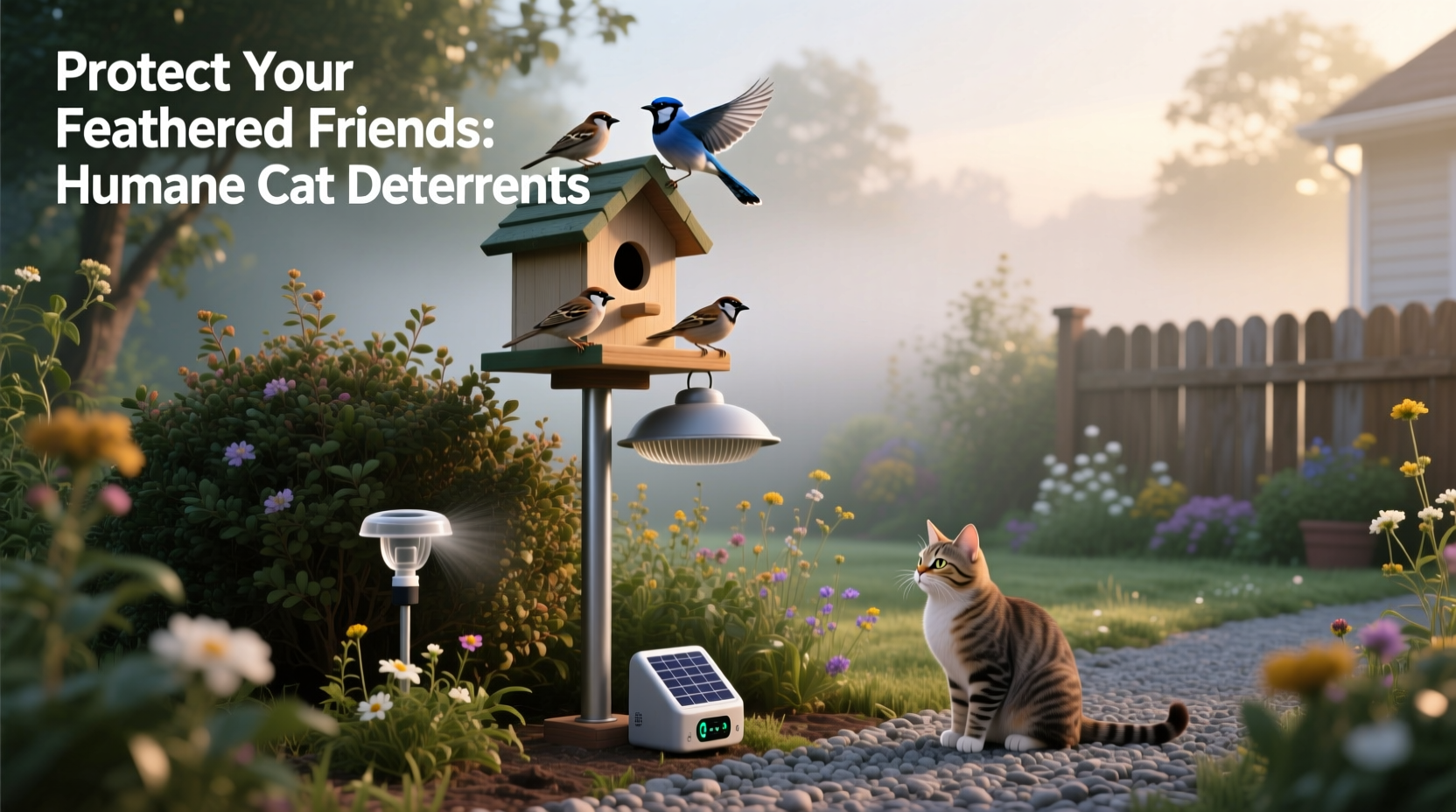
Cats are responsible for killing billions of birds annually in the United States alone, according to the American Bird Conservancy. Even well-fed domestic cats retain strong hunting instincts. When a bird house is placed within easy reach—especially near ground cover or low branches—it becomes an inviting target. Nestlings and fledglings are particularly vulnerable, as they cannot yet fly or defend themselves.
The danger isn’t limited to direct attacks. The mere presence of a cat near a nest can cause stress to parent birds, leading them to abandon eggs or chicks. This indirect impact makes proactive protection essential, even if you haven’t witnessed an actual attack.
Tip: Monitor bird house activity during dawn and dusk—the times when cats are most active.Strategic Placement of Bird Houses
One of the most effective ways to protect birds is to install bird houses in locations that are physically difficult for cats to access.
- Height matters: Mount bird houses at least 5 to 6 feet above the ground. Cats can jump, but few can climb smooth poles or reach high platforms without support.
- Use predator guards: Install a metal baffle or cone-shaped guard below the bird house on the mounting pole. These devices prevent cats (and raccoons) from climbing up.
- Avoid nearby launch points: Keep bird houses away from fences, trees, decks, or shrubs that cats can use as springboards.
- Face the entrance wisely: Position the entry hole so it faces away from nearby structures or dense vegetation where cats might hide.
| Placement Factor | Recommended Practice | Avoid |
|---|---|---|
| Height | 5–6 feet minimum | Below 4 feet |
| Mounting Surface | Metal pole with baffle | Wooden fence or tree trunk |
| Nearby Cover | At least 10 feet from bushes | Dense shrubbery or tall grass |
| Entrance Direction | Open field or lawn-facing | Toward cat pathways |
Humane Cat Deterrents That Work
Physical barriers are only part of the solution. To keep cats away long-term, you need to make the surrounding area unappealing to them without causing harm.
- Scent-based repellents: Cats dislike strong odors like citrus peels, vinegar, coffee grounds, and essential oils (e.g., citronella or eucalyptus). Sprinkle these around the base of the bird house pole—but avoid direct contact with wood to prevent damage.
- Textured ground covers: Lay down gravel, coarse mulch, or plastic carpet runners (nail-down type) around the area. Cats prefer soft, quiet surfaces for stalking.
- Motion-activated devices: Use sprinklers or ultrasonic sound emitters that activate when movement is detected. These startle cats without injuring them.
- Solar-powered lights: Install flickering LED lights that mimic predator eyes. These are especially effective at night.
“Creating a layered defense—combining height, baffles, and sensory deterrents—is the most reliable way to protect bird nests from cats.” — Dr. Laura Bennett, Wildlife Biologist, National Avian Conservation Center
Step-by-Step Guide to Securing Your Bird House
Follow this sequence to maximize protection:
- Assess the site: Observe where cats typically walk or linger in your yard.
- Select a new location (if needed): Move the bird house to a more open area, away from cover and cat paths.
- Install a smooth metal pole: Replace wooden or textured mounts with a slick metal pole that resists climbing.
- Add a baffle: Attach a dome or cone baffle at least 4 feet off the ground beneath the bird house.
- Apply scent deterrents: Place citrus peels or sprinkle used coffee grounds in a 3-foot radius around the base.
- Monitor and adjust: Watch for signs of cat activity and reinforce deterrents weekly.
Real Example: How One Backyard Reduced Cat Visits by 90%
In suburban Maryland, homeowner Sarah Thompson noticed her bluebird pair had abandoned their nest twice in one season. After installing a trail camera, she discovered a neighbor’s cat visiting nightly. She took action: first, she relocated the bird house to a central lawn area, mounted it on a 6-foot metal pole with a cone baffle, and surrounded the base with crushed oyster shells—a texture cats hate. She also added a motion-activated sprinkler set to trigger at low light levels.
Within two weeks, cat visits dropped dramatically. The following season, the bluebirds returned and successfully raised two broods. Sarah continues using the same setup each year, now considered a model in her local birding group.
Checklist: Protecting Bird Houses from Cats
Use this checklist to ensure full protection:
- ☑ Bird house mounted at least 5 feet high
- ☑ Mounted on a smooth, non-climbable pole
- ☑ Predator baffle installed below the house
- ☑ No nearby trees, fences, or shrubs within 10 feet
- ☑ Scent deterrents applied around the base
- ☑ Motion-activated deterrent in place (optional but recommended)
- ☑ Regular monitoring for signs of cat activity
Frequently Asked Questions
Will keeping my own cat indoors really help?
Absolutely. Indoor cats live longer, healthier lives and pose no threat to wildlife. Even supervised outdoor time increases predation risk. If you allow your cat outside, consider using a “catio” (an enclosed outdoor patio) or a harness-and-leash system.
Are ultrasonic repellents safe for birds?
Yes. Most ultrasonic devices emit frequencies targeted at mammals (like cats) and are beyond the hearing range of birds. Always choose models designed for outdoor pet deterrence and test them to ensure they don’t disturb household pets or neighbors.
Can I use chicken wire around the bird house?
Not directly. Chicken wire close to the entrance may deter cats but could also trap or injure birds. Instead, use it to cover nearby ground areas or undergrowth where cats might hide, but keep it away from the bird house itself.
Conclusion: A Balanced Approach to Coexistence
Protecting birds from cats doesn’t mean declaring war on felines. It means creating thoughtful boundaries that respect both wildlife and pets. With smart placement, physical barriers, and humane deterrents, you can significantly reduce the threat to nesting birds while still allowing cats to exist in the broader environment. The goal isn’t perfection—it’s progress. Every bird house made safer contributes to healthier local bird populations and a more balanced backyard ecosystem.
💬 Have a strategy that worked in your yard? Share your experience in the comments and help fellow bird lovers protect their feathered friends!








