Dogs losing weight unintentionally or failing to maintain a healthy body condition can signal underlying health issues or inadequate nutrition. While many pet owners seek ways to manage obesity in dogs, the opposite challenge—helping an underweight dog gain mass—is equally important and requires careful attention. Healthy weight gain isn't about overfeeding or loading up on empty calories; it’s about providing nutrient-dense, balanced meals and addressing root causes. Whether your dog is recovering from illness, has a high metabolism, or struggles with appetite, the right approach can make all the difference.
Assess Why Your Dog Is Underweight
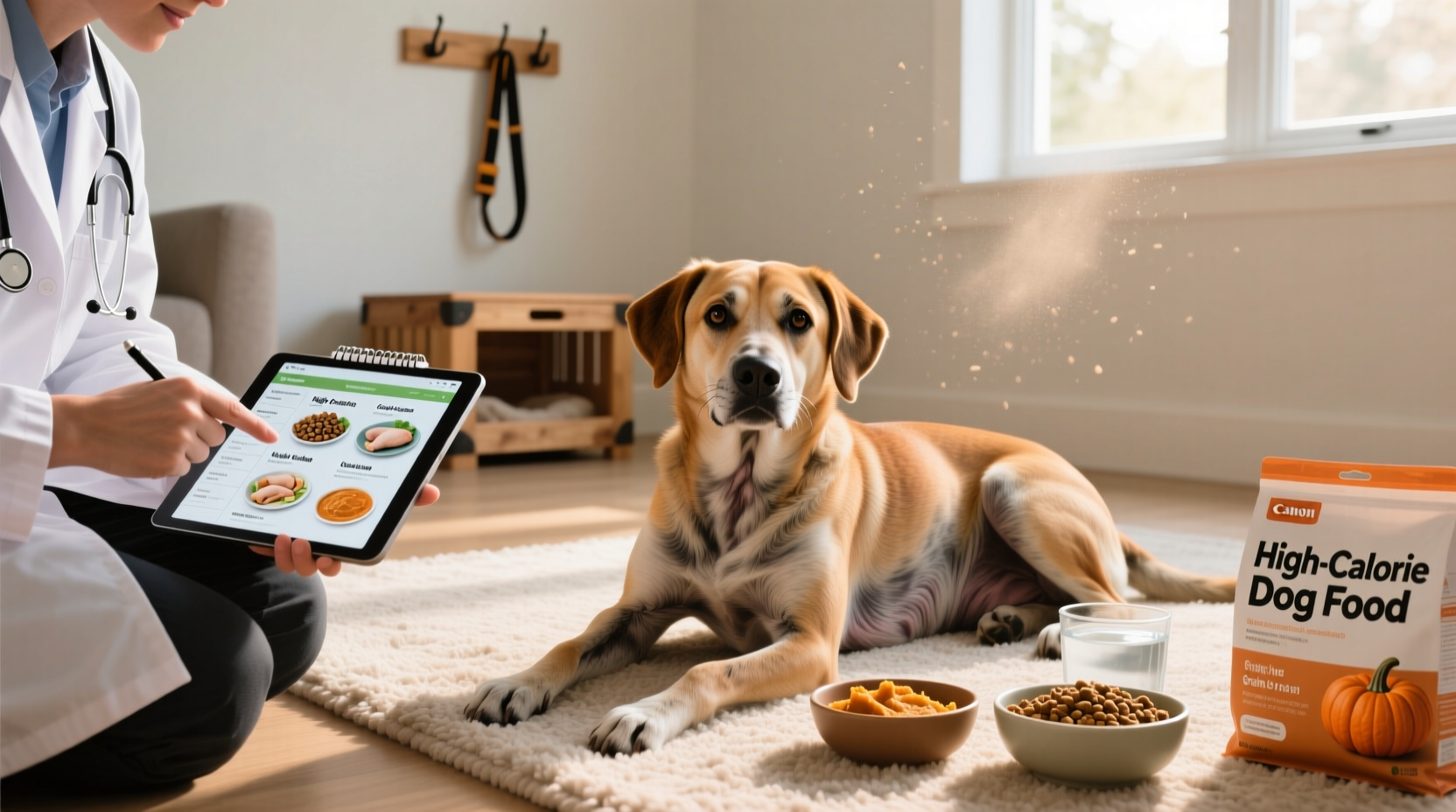
Before implementing any weight-gain strategy, determine why your dog is underweight. Sudden or persistent low body weight can stem from various factors:
- Parasites: Intestinal worms like roundworms or giardia interfere with nutrient absorption.
- Dental disease: Painful teeth or gums make chewing difficult, reducing food intake.
- Gastrointestinal disorders: Conditions such as inflammatory bowel disease (IBD) or malabsorption syndromes limit nutrient uptake.
- Chronic illnesses: Kidney disease, diabetes, or cancer can increase metabolic demands or suppress appetite.
- Stress or anxiety: Environmental changes, fear, or competition in multi-pet homes may reduce eating.
- Poor-quality diet: Low-calorie, filler-heavy kibble fails to meet energy needs.
A veterinary evaluation is essential. Blood work, fecal exams, and physical assessments help rule out medical causes. Only after clearing health concerns should you focus on nutritional and behavioral strategies.
“Weight loss in dogs is never normal unless intentionally managed. Unexplained thinness warrants immediate veterinary investigation.” — Dr. Lena Torres, DVM, Small Animal Internist
Nutritional Adjustments for Healthy Weight Gain
Once medical issues are ruled out, adjust your dog’s diet to support gradual, sustainable weight gain. The goal is to increase calorie density—not volume—while maintaining digestive health.
Select High-Calorie, Nutrient-Rich Foods
Choose premium dog foods labeled for “all life stages” or “active/working dogs,” as these typically contain higher fat and protein levels. Look for:
- At least 30% crude protein (on a dry matter basis)
- 15–20% crude fat
- Named animal proteins (e.g., chicken, beef, fish) as the first ingredient
- Minimal fillers like corn, soy, or by-products
Incorporate Calorie Boosters
Safely increase caloric intake with healthy additions:
- Cooked eggs: 70 calories each, packed with bioavailable protein.
- Plain canned pumpkin: Not pie filling—adds fiber and calories moderately.
- Fish oil: Rich in omega-3s and dense in calories (about 120 calories per tablespoon).
- Lean ground meat: Cooked chicken or turkey adds protein and fat.
- Plain Greek yogurt: Probiotics aid digestion; choose lactose-free if sensitive.
Mix these into regular meals gradually to avoid stomach upset.
Feeding Schedule and Portion Management
How often and how much you feed plays a critical role in weight gain. Frequent, smaller meals are easier to digest and more appealing than one or two large servings.
Recommended Feeding Frequency by Size
| Dog Size | Meals Per Day | Notes |
|---|---|---|
| Small (under 20 lbs) | 3–4 | Higher metabolism; benefits from frequent feeding |
| Medium (20–50 lbs) | 3 | Consistent timing supports appetite |
| Large/Giant (50+ lbs) | 2–3 | Multiple meals reduce bloat risk |
Monitor portion sizes using a measuring cup or kitchen scale. Increase daily intake by 10–15% every 3–5 days until steady weight gain begins (0.5–1% of body weight per week is safe).
Step-by-Step Plan for Healthy Weight Gain
Follow this timeline to implement changes systematically:
- Week 1: Schedule a vet visit. Confirm no illness and establish target weight.
- Week 2: Switch to a high-calorie, high-protein food. Begin feeding three meals daily.
- Week 3: Add one calorie booster (e.g., 1 tbsp cooked ground meat per meal).
- Week 4: Weigh your dog at home or at the clinic. Adjust portions if no gain occurs.
- Week 5–8: Introduce a second enhancer (e.g., fish oil). Maintain consistent routine.
- Ongoing: Reassess monthly. Transition to maintenance plan once ideal weight is reached.
Use a journal to log food intake, stool quality, energy levels, and weekly weights. This helps track progress and identify what works.
Common Mistakes to Avoid
Even with good intentions, some approaches can backfire:
- Over-reliance on treats or human food
- Can unbalance nutrition and cause picky eating.
- Too rapid an increase in food volume
- Leads to bloating, gas, or refusal to eat.
- Ignoring dental pain
- A dog may eat less not due to disinterest but discomfort.
- Using cheap, high-fat supplements like bacon grease
- Risks pancreatitis and gastrointestinal distress.
“Healthy weight gain in dogs mirrors athletic training in humans—it's about quality fuel, consistency, and monitoring response.” — Dr. Rajiv Mehta, Veterinary Nutrition Specialist
Mini Case Study: Max, the Rescued Whippet
Max, a 3-year-old whippet, was adopted from a shelter weighing just 28 pounds—well below the breed average of 35–40. He was bright and alert but visibly thin, with prominent ribs and hips. His new owner consulted a vet, who ruled out parasites and found mild dental tartar but no systemic illness.
The plan began with switching Max to a performance formula kibble (32% protein, 18% fat), fed in three measured meals. Each meal included 2 tablespoons of cooked chicken and 1 teaspoon of salmon oil. Treats were limited to dehydrated liver cubes (high in iron and calories).
Within four weeks, Max gained 2.4 pounds. By week eight, he reached 33 pounds with improved muscle tone and energy. Monthly weigh-ins continued until he stabilized at 36 pounds. The key was consistency, high-quality inputs, and patience—no shortcuts were taken.
Checklist: Helping Your Dog Gain Weight Safely
- ✅ Visit the vet to rule out medical causes
- ✅ Choose a high-protein, high-fat dog food
- ✅ Feed 3–4 small meals daily
- ✅ Add safe calorie boosters (egg, fish oil, lean meat)
- ✅ Weigh your dog weekly
- ✅ Monitor stool, appetite, and behavior
- ✅ Avoid fatty scraps and sugary treats
- ✅ Transition to maintenance diet once target weight is achieved
Frequently Asked Questions
How long does it take for a dog to gain weight healthily?
Most underweight dogs gain noticeable weight within 4–8 weeks when following a proper plan. The rate depends on initial condition, age, and adherence to dietary changes. A gain of 1–2% of body weight per week is considered safe and sustainable.
Can I use puppy food to help my adult dog gain weight?
Yes, puppy food is higher in calories, protein, and fat, making it suitable for short-term use in healthy adult dogs needing to gain weight. However, long-term use may contribute to joint stress in large breeds due to excess calcium and phosphorus. Use only until target weight is reached, then transition back to an appropriate adult formula.
What if my dog won’t eat the new food?
Introduce changes gradually over 5–7 days, mixing increasing amounts of new food with the old. Warm the food slightly or add warm broth (onion-free) to enhance aroma. If refusal persists, consult your vet—appetite stimulants or further diagnostics may be needed.
Conclusion
Helping your dog gain weight isn’t about quantity alone—it’s about quality, consistency, and care. With the right food, feeding schedule, and veterinary support, even the most stubbornly thin dogs can reach a healthy, strong condition. Every extra pound should come from muscle and vitality, not fat or filler. Start today by evaluating your dog’s current diet, scheduling a check-up, and committing to a structured plan. Your dog’s renewed energy and resilience will reflect your dedication.
💬 Have success helping your dog gain weight? Share your story in the comments—your experience could inspire another pet parent on the same journey.








