Cats are creatures of habit. Their routines, from napping spots to feeding times, are deeply ingrained. Introducing a new food or water bowl—even if it’s safer, cleaner, or more ergonomic—can disrupt their sense of security. Many cat owners have experienced the frustration of a cat refusing to eat or drink from a new dish, only to resort to using an old one they’ve hidden under the couch. The key isn’t persistence through resistance; it’s thoughtful transition. With the right approach, you can guide your cat toward better hydration and nutrition without triggering anxiety or avoidance.
Understanding Feline Sensitivity Around Feeding
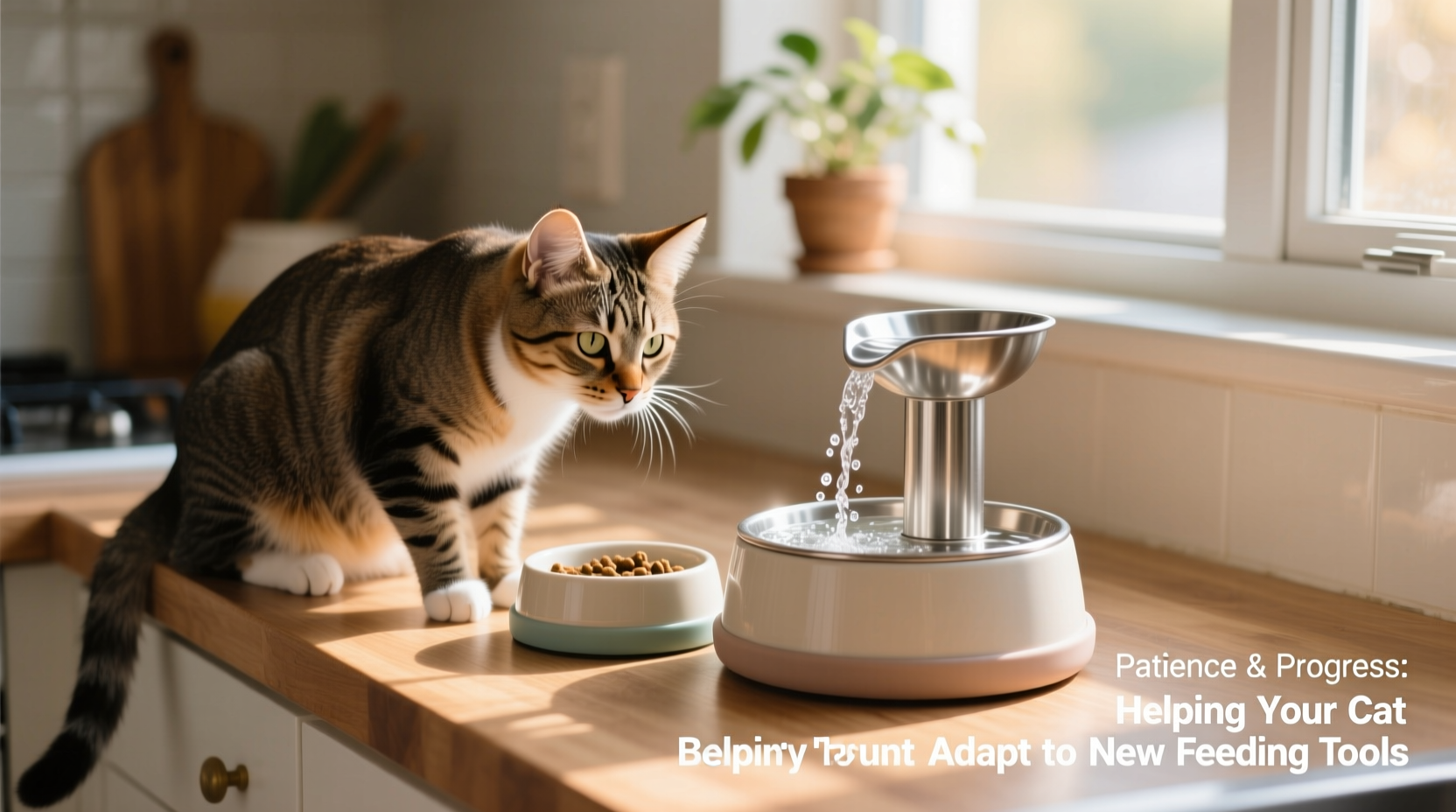
Cats possess acute senses, particularly smell and touch, both of which play a major role in how they interact with their food and water sources. Unlike humans, cats don’t just see a bowl—they assess its material, shape, depth, scent, and even sound when touched. A deep plastic bowl may brush against their sensitive whiskers, causing discomfort known as \"whisker fatigue.\" Similarly, lingering odors from cleaning products or previous meals can make a clean-looking bowl seem untrustworthy.
Dr. Lena Patel, a feline behavior specialist at the American Veterinary Medical Association, explains:
“Cats associate safety with predictability. When their feeding environment changes abruptly, they perceive risk—even if the change is objectively positive. Success lies not in forcing adaptation but in respecting their sensory world.” — Dr. Lena Patel, DVM
This sensitivity means that simply replacing an old bowl overnight rarely works. Instead, gradual acclimation and environmental awareness are essential for a smooth transition.
Step-by-Step Guide to Transitioning Your Cat
Moving your cat to a new bowl should be a phased process, especially if they’re particularly finicky or anxious. Follow this 7-day timeline to minimize resistance:
- Day 1–2: Introduce the new bowl nearby – Place the new bowl next to the current one, filled with fresh water or a small portion of food. Do not remove the old bowl. Let your cat investigate at their own pace.
- Day 3–4: Alternate usage – Use the new bowl for water and the old one for food (or vice versa). This helps your cat form neutral-to-positive associations with the new item.
- Day 5–6: Swap primary use – Begin serving meals in the new bowl while keeping the old one empty but present. Praise or gently pet your cat when they approach or eat from it.
- Day 7: Phase out the old bowl – If your cat eats comfortably from the new bowl, remove the old one. Monitor closely for any drop in appetite or water intake.
If your cat hesitates at any stage, pause and repeat the previous step for another day or two. Rushing can undo progress.
Tip: Sprinkle a few kibble pieces or a teaspoon of tuna juice into the new bowl to encourage investigation through scent.Choosing the Right Bowl: Material, Shape, and Placement
The design of the bowl significantly influences acceptance. Cats prefer wide, shallow dishes that prevent whisker contact and allow visibility of their surroundings while eating. Below is a comparison of common bowl types and their impact on feline comfort:
| Material | Pros | Cons | Best For |
|---|---|---|---|
| Stainless Steel | Durable, non-porous, easy to clean, doesn’t leach chemicals | Can be noisy if lightweight | Cats with sensitive skin or prone to acne |
| Ceramic | Heavy, stable, aesthetically pleasing | Potential lead glaze (if low quality), can chip | Homes with active kittens or large cats |
| Plastic | Affordable, lightweight | Scratches easily, harbors bacteria, linked to chin acne | Not recommended long-term |
| Glass | Non-porous, odor-resistant, visually clear | Fragile, slippery base | Cats who dislike metallic taste or smells |
Placement matters just as much as material. Avoid high-traffic areas or corners that feel like traps. Ideally, position bowls in quiet zones with clear sightlines so your cat can eat without feeling vulnerable. Never place food and water side by side—cats instinctively avoid drinking near their food due to wild ancestry where contamination was a real threat.
Common Mistakes That Hinder Adjustment
Even well-intentioned owners often make errors that sabotage the transition. Recognizing these pitfalls can save weeks of frustration:
- Sudden replacement – Swapping bowls overnight removes familiarity and triggers suspicion.
- Using strong cleaners – Residue from bleach or citrus-based soaps can repel cats. Rinse thoroughly or use mild dish soap.
- Ignoring whisker stress – Deep bowls force whiskers to bend, causing physical discomfort over time.
- Locating bowls near litter boxes – Cats naturally avoid eating close to waste areas.
- Introducing multiple changes at once – Don’t switch food, location, and bowl type simultaneously.
Real Example: How Mia Learned to Trust Her New Bowl
Sarah adopted Mia, a 3-year-old domestic shorthair, from a shelter. Mia ate reliably but drank very little, often ignoring her scratched plastic water bowl. Concerned about urinary health, Sarah bought a wide ceramic bowl and placed it beside the old one. For two days, Mia sniffed it but wouldn’t drink. On day three, Sarah added ice cubes (which Mia loved) and switched to filtered water. She also moved the setup to a sunlit corner away from the litter box. By day six, Mia was drinking regularly from the new bowl. Within two weeks, her urine concentration improved, confirmed by her vet. The change wasn’t about the bowl alone—it was about creating a trustworthy drinking environment.
Checklist for a Successful Bowl Transition
Use this checklist to ensure every factor supports your cat’s comfort:
- ☐ Choose a shallow, wide bowl made of stainless steel or high-quality ceramic
- ☐ Introduce the new bowl gradually over 5–7 days
- ☐ Place bowls in a quiet, open area away from the litter box and appliances
- ☐ Clean bowls daily with mild, fragrance-free soap
- ☐ Monitor food and water intake during the transition
- ☐ Avoid sudden changes in diet or location during the switch
- ☐ Remove the old bowl only after consistent use of the new one
Frequently Asked Questions
Why won’t my cat drink from the new water bowl?
Your cat may be reacting to the material, shape, or residual scents. Try filling it with filtered or bottled water, adding ice cubes, or placing it in a different location. Some cats prefer running water—consider introducing a pet fountain afterward.
Can changing bowls cause my cat to stop eating?
Yes, especially if done abruptly. Cats link feeding safety to consistency. Sudden changes may lead to temporary refusal. Always transition slowly and consult a vet if refusal lasts more than 24 hours, as prolonged anorexia can be dangerous.
How do I know if my cat has whisker fatigue?
Signs include pawing at food, leaving kibble around the edges of the bowl, head tilting while eating, or reluctance to finish meals. Switching to a wider, shallower dish often resolves these behaviors.
Final Thoughts: Patience Leads to Progress
Helping your cat adapt to a new food or water bowl isn’t about winning a battle—it’s about building trust. Every small step forward reflects your understanding of their instincts and needs. Whether you're upgrading for hygiene, addressing health concerns, or simply refreshing your home setup, the process should prioritize your cat’s emotional comfort over speed.
When done thoughtfully, the transition can improve hydration, reduce skin issues, and even enhance digestion. More importantly, it strengthens the bond between you and your pet, showing them that change—when guided with care—can still be safe.
💬 Have a tip that helped your cat accept a new bowl? Share your experience below—your insight could help another cat parent succeed!








