Administering medication to a dog should be a simple part of pet care, but for many owners, it becomes a daily battle. Dogs with strong personalities, anxiety, or past negative experiences may resist pills, liquids, or topical treatments—leading to stress for both pet and owner. The key isn’t force; it’s strategy. With the right approach, you can turn medication time into a calm, even positive experience. This guide outlines practical, veterinarian-backed methods that prioritize your dog’s emotional well-being while ensuring they receive necessary treatment.
Understanding Why Dogs Resist Medication
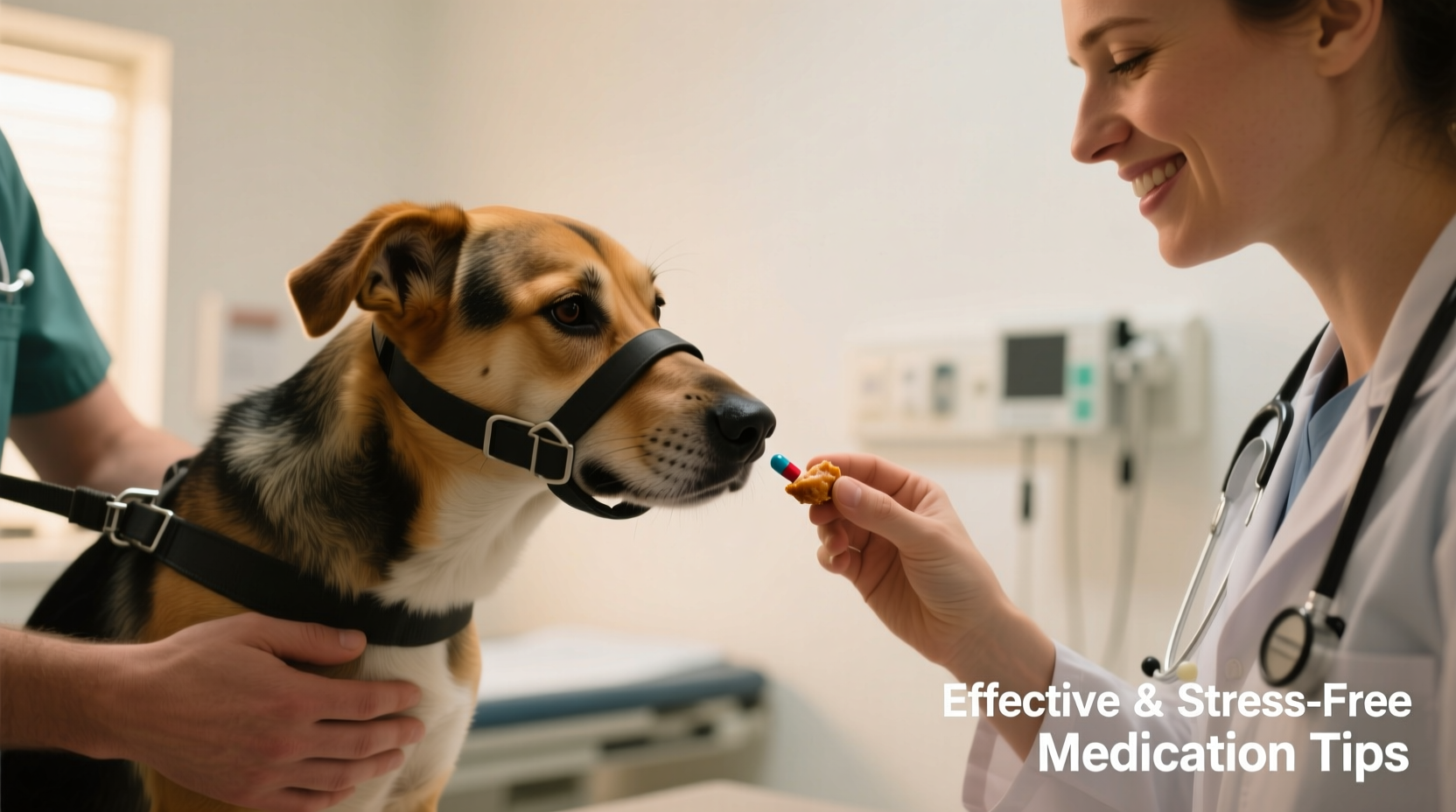
Dogs are highly perceptive animals. Their resistance to medication often stems not from stubbornness, but from fear, confusion, or discomfort. A pill may taste bitter, a liquid may feel strange in their mouth, or the act of being restrained can trigger anxiety. Some dogs have learned that resisting leads to delayed administration, reinforcing avoidance behaviors.
Recognizing the root cause is essential. Is your dog fearful? Distracted? Sensitive to touch around the mouth? Observing their reactions helps tailor your approach. For instance, a nervous dog benefits from slow desensitization, while a food-motivated one might respond best to clever concealment.
Tip: Never punish your dog for resisting medication—it deepens fear and damages trust. Instead, focus on building positive associations.Step-by-Step Guide: How to Safely Administer Oral Medication
Whether it’s a tablet, capsule, or liquid, oral medication requires precision and patience. Follow this sequence to minimize stress and ensure the full dose is ingested:
- Prepare in advance: Have the medication, treats, and a quiet space ready before calling your dog.
- Use positive reinforcement: Begin with a treat to set a positive tone. Say a cue like “meds” in a cheerful voice.
- Position safely: Sit beside your dog, gently tilt their head back slightly, and use your palm to open the mouth by pressing just behind the canine teeth.
- Place the pill: Use your finger or a pill dispenser to place the medication as far back on the tongue as possible.
- Close and massage: Hold the mouth closed, gently stroke the throat to encourage swallowing, then immediately reward with a treat.
This method works best when practiced slowly during non-medication times to build comfort. Never throw a pill down the throat or pour liquid without control—this risks aspiration or injury.
Creative Ways to Hide Medication in Food
For cooperative dogs, disguising medication in food is often the easiest solution. However, not all foods work equally well. The goal is complete ingestion without the dog detecting or rejecting the pill.
| Food Option | Effectiveness | Notes |
|---|---|---|
| Peanut butter (xylitol-free) | High | Sticky texture holds pills well; ideal for freezing in molds. |
| Cheese (soft varieties) | High | Wrap small pills completely; avoid if lactose intolerant. |
| Meatballs (ground meat, cooked) | Moderate-High | Customizable size; mix finely ground meds into the batch. |
| Commercial Pill Pockets | Moderate | Convenient but some dogs detect the pill; check ingredient quality. |
| Plain yogurt or pumpkin puree | Moderate | Good for liquids or crushed pills; soothing for upset stomachs. |
Always confirm with your vet that crushing or opening capsules is safe—some medications lose potency or become harmful when altered.
Real Example: Turning Resistance into Routine
Sasha, a 5-year-old Shiba Inu, had been diagnosed with a chronic condition requiring daily pills. Her owner, Mark, struggled for weeks—Sasha would snap at hands, spit out pills, and hide when she heard the medicine cabinet open. After consulting a veterinary behaviorist, Mark began a two-week desensitization plan. He started by simply opening the cabinet and giving a treat, repeating this daily without administering any medication. Gradually, he introduced the pill bottle, then pretended to give a fake pill followed by a high-value reward. By week three, Sasha approached willingly. Now, she receives her medication wrapped in peanut butter inside a frozen Kong—she sees it as dessert, not duty.
Expert Insight: The Role of Training and Trust
“Medication shouldn’t be an act of domination. It’s an opportunity to reinforce trust. When dogs associate treatment with safety and rewards, compliance follows naturally.” — Dr. Lena Torres, DVM, Veterinary Behavior Specialist
Dr. Torres emphasizes that consistent training—even outside medication contexts—builds cooperation. Commands like “open,” “stay,” or “touch” can be adapted to make handling easier. Desensitizing your dog to mouth touching through gentle daily practice ensures they remain calm when medication is needed.
Checklist: Preparing for Stress-Free Medication Time
- ✔ Consult your vet about flavoring options or alternative forms (e.g., transdermal gels, chewables).
- ✔ Choose high-value treats your dog rarely gets.
- ✔ Practice hand-feeding and mouth handling when no medication is involved.
- ✔ Use a pill crusher only if approved by your vet.
- ✔ Keep sessions short and end on a positive note—even if the pill wasn’t given yet.
- ✔ Consider using a pill dispenser tool to reduce finger risk.
- ✔ Monitor for side effects that may increase resistance (e.g., nausea).
Frequently Asked Questions
What if my dog spits out the pill or vomits afterward?
If vomiting occurs within 15–30 minutes of administration, contact your vet to determine whether redosing is safe. To prevent rejection, ensure the pill is fully swallowed—watch for deliberate chewing or head shaking, which indicate detection. Try different concealment methods or switch to liquid form if available.
Can I mix medication into my dog’s regular meal?
It’s not recommended. If your dog doesn’t finish the meal, they won’t get the full dose. Additionally, some medications interact with certain foods or lose effectiveness when exposed to air or moisture. Always administer separately unless directed otherwise by your veterinarian.
Are there tools that make giving pills easier?
Yes. Pill poppers or tablet dispensers allow you to place the pill deep in the mouth without putting your fingers near sharp teeth. Devices like the MuttMeds or PillGiver are designed to release the pill once positioned correctly. Pair them with treats to maintain a positive association.
Alternative Administration Methods
When oral delivery fails, alternatives exist. Transdermal medications—applied to the inner ear or hairless skin—are ideal for dogs that refuse anything near their mouth. These require veterinary prescription but eliminate ingestion challenges entirely. Liquid suspensions can be dosed with a syringe along the side of the mouth, allowing slow intake without choking.
Topical treatments, such as medicated sprays or spot-ons, bypass the oral route altogether. While typically used for parasites or skin conditions, some medications are now formulated for dermal absorption.
Tip: Rotate treat types to keep your dog guessing. If they expect peanut butter every time, they may start inspecting each offering.Conclusion: Building Cooperation Over Conflict
Successfully giving medication to a difficult dog isn’t about winning a fight—it’s about changing the narrative. Every interaction shapes your dog’s perception. Replace tension with trust, force with fairness, and resistance with routine. With patience, creativity, and consistency, even the most reluctant dogs can learn to accept treatment calmly. Start small, celebrate progress, and remember: a stress-free process benefits everyone. Your dog relies on you not just for healing, but for peace of mind.
💬 Have a tip that worked for your picky pup? Share your experience in the comments and help fellow dog owners find compassionate solutions.








