Cats are naturally fastidious animals, and most will instinctively use a litter box without prompting. However, when a cat begins avoiding the box or eliminating outside of it, it can be frustrating and concerning for pet owners. Inconsistent litter box use is rarely about defiance—it's usually a signal of discomfort, stress, or environmental dissatisfaction. Addressing the issue requires understanding feline behavior, identifying underlying causes, and implementing consistent, compassionate solutions.
Understanding Why Cats Avoid the Litter Box
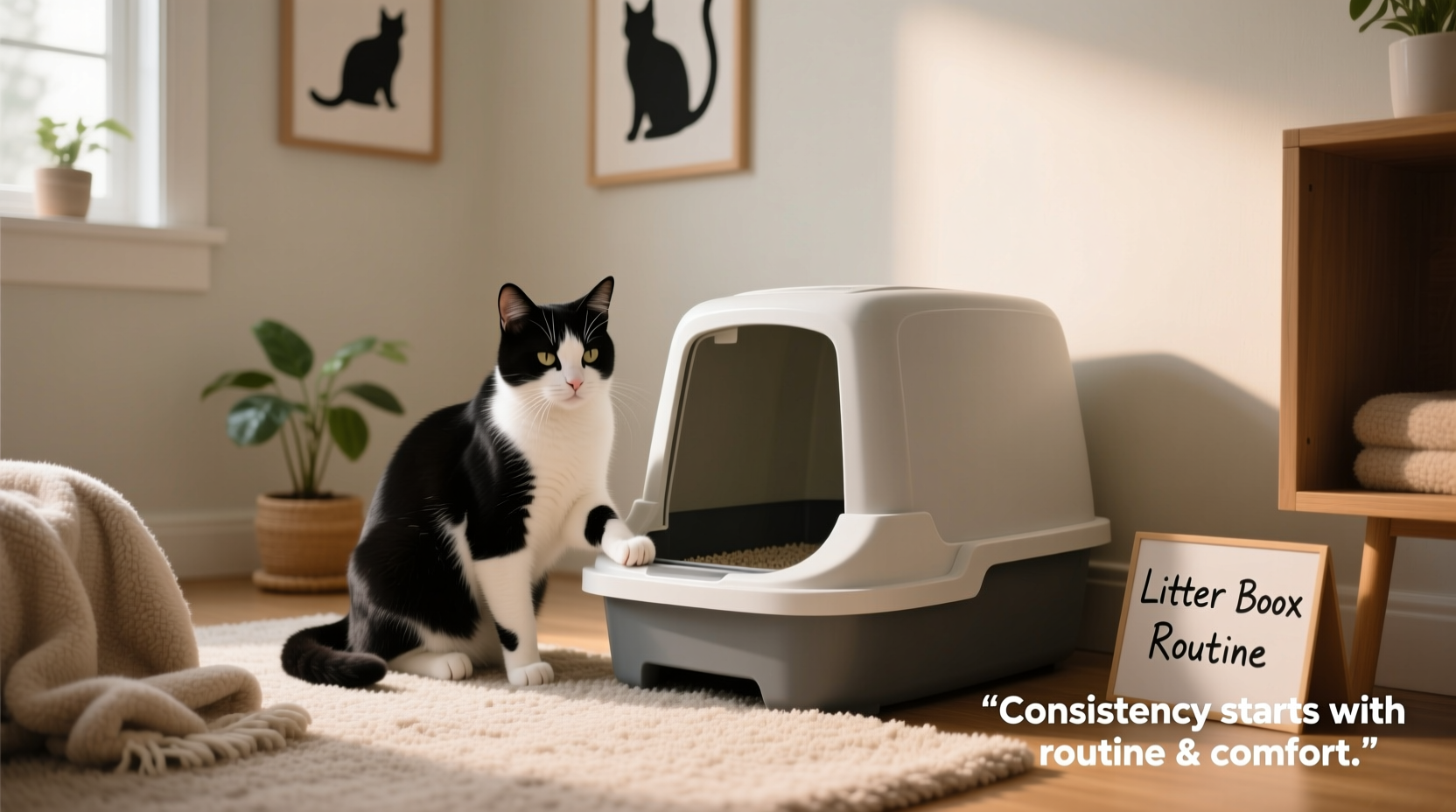
Before applying corrective measures, it’s essential to recognize that inappropriate elimination stems from one of three primary categories: medical, behavioral, or environmental. A sudden change in litter habits should first prompt a veterinary consultation to rule out urinary tract infections, bladder stones, arthritis, or digestive issues—all of which can make using the box painful or difficult.
If medical causes are ruled out, the focus shifts to behavioral and environmental factors. Cats may avoid the litter box if it’s unclean, poorly located, or if they associate it with negative experiences such as loud noises or confrontations with other pets. Additionally, substrate preference—the texture and scent of the litter—plays a significant role. Some cats prefer fine, unscented clumping litter, while others reject anything that sticks to their paws.
“Litter box problems are one of the top reasons cats are relinquished to shelters. Most cases are preventable with early intervention and proper setup.” — Dr. Sarah Bennett, Feline Behavior Specialist
Step-by-Step Guide to Encouraging Consistent Use
Resolving litter box avoidance isn’t a one-size-fits-all process. It requires patience, observation, and systematic adjustments. Follow this timeline to guide your efforts:
- Week 1: Rule Out Medical Issues – Schedule a vet visit. Request a urinalysis and physical exam, especially if your cat strains, vocalizes during elimination, or produces small amounts of urine.
- Week 2: Audit Your Litter Setup – Evaluate the number, location, and cleanliness of boxes. Ensure you have at least one box per cat, plus one extra.
- Week 3: Experiment with Litter Type – Try different substrates (clay, silica, paper-based) in separate boxes to identify preferences.
- Week 4: Optimize Placement and Privacy – Move boxes away from noisy appliances, high-traffic areas, or food zones. Add covered or open options based on your cat’s comfort.
- Ongoing: Maintain Rigorous Cleanliness – Scoop daily, change litter weekly, and wash boxes monthly with mild soap and water—never ammonia-based cleaners.
Checklist for Litter Box Success
Use this checklist to ensure every critical factor is addressed:
- ✅ Number of litter boxes = number of cats + 1
- ✅ Boxes placed in quiet, accessible locations on multiple floors
- ✅ Scooped at least once daily
- ✅ Full litter changes every 7–10 days
- ✅ Boxes washed monthly with odor-free soap
- ✅ No strong-scented litters or liners used
- ✅ Multiple litter types available for preference testing
- ✅ No recent household changes (new pets, moves, construction)
- ✅ All cats in multi-cat homes have safe access (no territorial blocking)
- ✅ Veterinary checkup completed within the last 6 months
Do’s and Don’ts: Litter Box Management Table
| Do | Don't |
|---|---|
| Use unscented, clumping litter | Use heavily perfumed or dusty litter |
| Place boxes in low-traffic, private areas | Put boxes next to washing machines or loud heaters |
| Scoop waste daily | Let waste accumulate for days |
| Provide both covered and uncovered options | Assume all cats prefer covered boxes |
| Clean accidents with enzymatic cleaner | Use ammonia or vinegar-based cleaners |
Real Example: Solving Multi-Cat Tension
Samantha, a cat owner in Portland, noticed her 3-year-old tabby, Milo, began urinating beside the litter box. After a clean bill of health from the vet, she observed that her newly adopted kitten often waited by the box entrance, startling Milo as he exited. This created anxiety around the litter area. Samantha added a second box on the opposite side of the basement and switched to an open-top model for easier escape visibility. Within a week, Milo resumed normal use. The solution wasn’t about training—it was about reducing perceived threat and increasing choice.
This case illustrates how social dynamics in multi-cat households can silently influence litter behavior. Even subtle competition or fear can drive avoidance, especially if one cat controls access to resources.
Tip: In multi-cat homes, stagger box placement across different rooms to prevent guarding and reduce competition.Frequently Asked Questions
Why does my cat scratch the floor near the litter box instead of inside it?
This behavior may indicate dissatisfaction with the box’s size, depth of litter, or cleanliness. Cats naturally want to bury their waste. If the sides are too high, the litter is too shallow, or the box is dirty, they may attempt to “dig” nearby instead. Try a larger box, fill it to 2–3 inches deep, and clean more frequently.
Can I train an older cat to use a new type of litter?
Yes, but gradually. Mix a small amount of the new litter with the old, increasing the ratio over 7–10 days. Sudden changes often lead to rejection. Older cats, in particular, resist abrupt alterations to routine or environment.
Should I punish my cat for going outside the box?
No. Punishment increases stress and worsens the problem. Yelling, rubbing a cat’s nose in urine, or confinement creates fear and damages trust. Focus on positive reinforcement—praise and treats when the box is used correctly—and eliminate odor traces from accident sites.
Conclusion: Building Trust Through Consistency
Encouraging consistent litter box use isn’t about control—it’s about creating an environment where your cat feels safe, respected, and physically comfortable. By addressing medical concerns, optimizing setup, and respecting feline instincts, most litter issues can be resolved within weeks. Remember, every cat has individual preferences, and what works for one may not suit another. The key lies in observation, adaptation, and patience.
💬 Have a litter box success story or challenge? Share your experience below—your insights could help another cat owner restore harmony at home.








