Dogs are creatures of habit, and their eating patterns often reflect their physical health, emotional state, and environment. When a dog refuses food, it can be alarming for pet owners. While occasional disinterest in meals may not be cause for concern, consistent refusal—especially when accompanied by lethargy, vomiting, or weight loss—warrants attention. The key is to distinguish between behavioral pickiness and underlying medical issues. This guide provides actionable, veterinarian-informed strategies to help encourage a reluctant dog to eat while ensuring long-term nutritional wellness.
Understanding Why Dogs Refuse Food
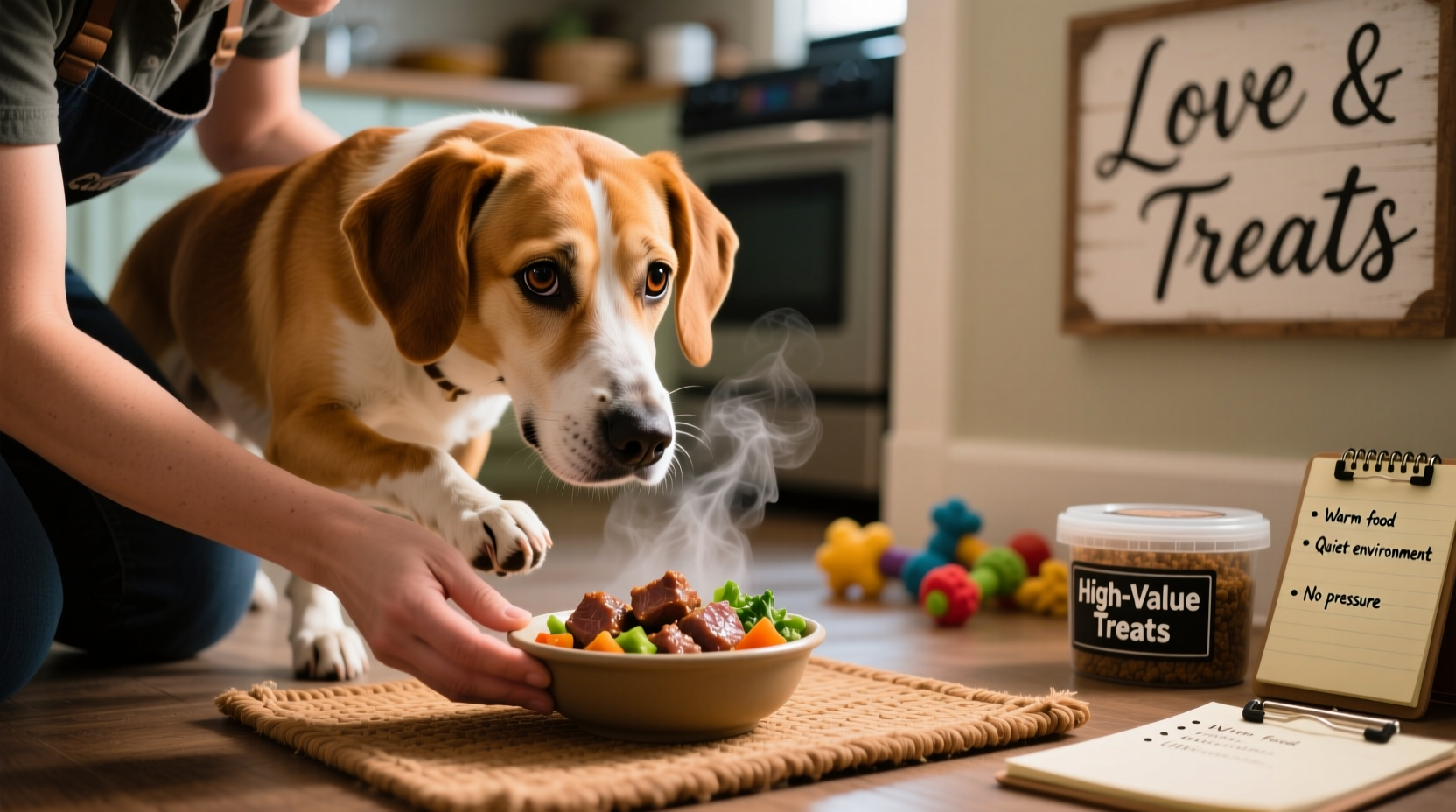
Dogs may stop eating for a variety of reasons, ranging from minor environmental changes to serious illness. Common causes include:
- Medical conditions: Dental pain, gastrointestinal upset, infections, kidney disease, or cancer.
- Medication side effects: Some drugs reduce appetite or alter taste perception.
- Stress or anxiety: Changes in routine, new environments, or separation anxiety can suppress appetite.
- Pickiness: Overfeeding treats or table scraps can make dogs selective about their regular food.
- Aging: Older dogs may experience diminished sense of smell or dental issues that affect eating.
Before implementing dietary changes, it’s essential to rule out medical problems. A veterinarian should evaluate any dog that hasn’t eaten for more than 24 hours—especially if they show additional symptoms like vomiting, diarrhea, or weakness.
Tip: Monitor your dog's water intake and bowel movements closely during periods of reduced appetite—they provide critical clues about internal health.Step-by-Step Guide to Reintroduce Appetite
If your dog is otherwise healthy but refusing food, follow this structured approach to rekindle their interest in meals:
- Assess the current diet: Is the food fresh? Has there been a recent switch in brand or flavor?
- Eliminate distractions: Feed in a quiet, familiar space without competing noises or activity.
- Establish a feeding window: Offer food for 20–30 minutes, then remove it. Repeat at scheduled times to reinforce routine.
- Warm the food slightly: Heating wet food or adding warm water to kibble enhances aroma, which stimulates appetite.
- Introduce high-value toppers: Add plain cooked chicken, low-sodium broth, or a spoonful of pumpkin puree (not pie filling) to make meals more enticing.
- Monitor response: Track how much is eaten over 2–3 days. Gradually reduce additives once normal eating resumes.
This method builds predictability and leverages sensory appeal to reengage natural feeding instincts.
Practical Feeding Tips That Work
Small adjustments in meal presentation and timing can make a significant difference. Consider these proven techniques:
- Hand-feeding: For anxious or elderly dogs, hand-feeding creates positive associations and allows you to control portion size.
- Interactive feeding: Use puzzle feeders or slow-feed bowls to stimulate mental engagement, especially in bored or under-stimulated dogs.
- Smaller, frequent meals: Instead of two large meals, try three to four smaller ones throughout the day.
- Rotate proteins: Introduce variety with different animal proteins (e.g., turkey, duck, lamb) to prevent flavor fatigue.
- Avoid free-feeding: Leaving food out all day diminishes hunger cues and encourages grazing behavior.
“Dogs rely heavily on smell to determine whether something is appetizing. Warming food or using aromatic broths can make a real difference.” — Dr. Lena Torres, DVM, Veterinary Nutrition Specialist
Do’s and Don’ts When Dealing with a Picky Eater
| Do’s | Don’ts |
|---|---|
| Consult your vet before making major diet changes | Force-feed your dog—it can create negative associations |
| Use vet-approved supplements like probiotics or appetite stimulants | Offer excessive treats or human food as substitutes |
| Maintain a consistent feeding schedule | Change foods too frequently without transition periods |
| Add moisture to dry food to improve palatability | Ignore sudden appetite loss lasting over 24 hours |
| Keep fresh water available at all times | Leave spoiled or stale food in the bowl |
Mini Case Study: Reviving Appetite in an Elderly Labrador
Bruce, a 12-year-old Labrador Retriever, began refusing his kibble after his owner switched brands. Initially dismissed as pickiness, Bruce lost two pounds over three weeks. His owner brought him to the vet, where blood work revealed early-stage kidney insufficiency. The veterinarian recommended a renal-support diet and suggested warming the food with bone broth to enhance flavor. The owner also began feeding Bruce smaller portions four times daily and hand-fed the first bite to encourage interest. Within ten days, Bruce resumed eating consistently and regained his energy. This case highlights how combining medical evaluation with behavioral strategies leads to better outcomes.
Tip: If your dog has dental issues, consider switching to soft or soaked food to ease chewing discomfort.Checklist: Action Plan for Encouraging Your Dog to Eat
Use this checklist to systematically address your dog’s reluctance to eat:
- ☑ Rule out illness with a veterinary exam
- ☑ Check expiration dates and storage conditions of current food
- ☑ Establish fixed feeding times (e.g., 7 AM and 6 PM)
- ☑ Warm food slightly or add low-sodium broth
- ☑ Remove uneaten food after 30 minutes
- ☑ Limit treats to less than 10% of daily calories
- ☑ Try hand-feeding or interactive feeding tools
- ☑ Monitor weight weekly and record food intake
- ☑ Reassess progress after 3–5 days and consult your vet if no improvement
Frequently Asked Questions
How long can a healthy dog go without eating?
Most healthy adult dogs can go 2–3 days without food, though this is not ideal. However, puppies, seniors, or dogs with chronic conditions should never skip meals for more than 24 hours without veterinary consultation.
Is it safe to mix human food with dog food?
Yes, but only certain types. Plain cooked meats, steamed vegetables, or pumpkin can be added in moderation. Avoid onions, garlic, grapes, chocolate, and seasoned dishes, which are toxic to dogs.
Could my dog’s reluctance to eat be psychological?
Absolutely. Dogs can develop food aversions due to past negative experiences, stress from relocation, or even competition with other pets. Creating a calm, solitary feeding area often helps restore confidence at mealtimes.
Conclusion: Patience and Consistency Lead to Success
Encouraging a reluctant dog to eat requires a blend of medical awareness, behavioral understanding, and practical feeding adjustments. Rushing to conclusions or resorting to unhealthy temptations may worsen the issue. Instead, take a measured approach—start with a vet visit, implement structured feeding routines, and use scent and texture to your advantage. Every dog is different, and what works for one may not work for another. Stay observant, stay patient, and remain proactive in supporting your dog’s nutritional health.
💬 Have a story about helping your dog regain their appetite? Share your experience in the comments below—your insight could help another pet owner in need.








