Fleas are more than a seasonal nuisance—they’re persistent parasites capable of disrupting household comfort and posing health risks to both pets and humans. A single flea can lay up to 50 eggs per day, rapidly escalating a minor issue into a full-blown infestation. Eliminating fleas requires more than spot treatments; it demands a coordinated, multi-phase strategy targeting every stage of the flea life cycle. Equally important is implementing long-term prevention to stop reinfestation before it starts. This guide outlines science-backed methods to reclaim your home and keep it flea-free.
Understanding the Flea Life Cycle
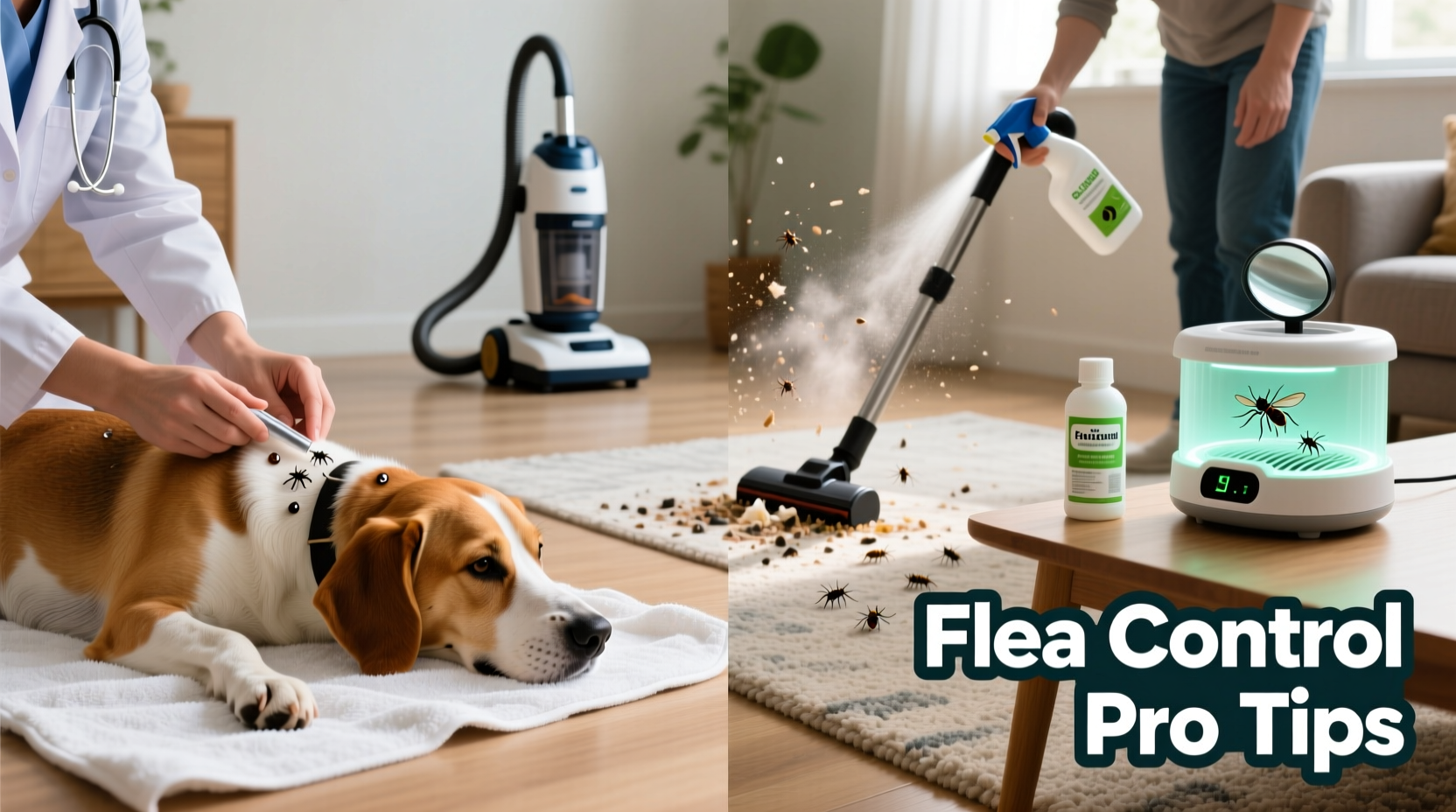
To effectively combat fleas, it's essential to understand their biology. Fleas progress through four stages: egg, larva, pupa, and adult. The entire cycle can last from two weeks to several months, depending on environmental conditions such as temperature and humidity. Adult fleas represent only about 5% of an infestation—the remaining 95% consists of eggs, larvae, and pupae hidden in carpets, pet bedding, and floor cracks.
Eggs are laid on hosts but fall off quickly into the environment. Larvae avoid light and feed on organic debris, including adult flea feces (often called “flea dirt”). Pupae form protective cocoons that can remain dormant for months, resisting most insecticides. This resilience makes timing and consistency crucial in any eradication plan.
“Breaking the flea life cycle is not about killing adults alone—it’s about disrupting development at every stage.” — Dr. Linda Harper, Veterinary Parasitologist
Step-by-Step Guide to Immediate Flea Elimination
When you discover fleas, swift action prevents exponential growth. Follow this timeline-based approach for maximum impact:
- Day 1: Treat Your Pets
Apply a vet-approved topical or oral flea medication. Products containing fipronil, spinosad, or imidacloprid kill adult fleas within hours. Avoid over-the-counter options with limited efficacy. - Day 1–2: Deep Clean Your Home
Vacuum all carpets, rugs, upholstery, and baseboards thoroughly. Pay special attention to areas where pets sleep. Dispose of the vacuum bag or empty the canister immediately into a sealed trash bag. - Day 2–3: Wash Bedding and Fabrics
Wash all pet bedding, blankets, and human linens in hot water (at least 130°F). Dry on high heat for 20+ minutes to kill eggs and larvae. - Day 3–4: Apply Environmental Treatments
Use an indoor flea spray containing both an adulticide (like permethrin) and an insect growth regulator (IGR) such as methoprene or pyriproxyfen. These prevent eggs and larvae from maturing. - Day 7: Reassess and Retreat if Needed
Monitor for continued activity. If fleas persist, repeat pet treatment and consider steam cleaning carpets, which kills all life stages through heat.
Long-Term Prevention Strategies
Elimination is only half the battle. Preventing recurrence requires consistent habits and proactive planning:
- Monthly Preventatives: Administer veterinarian-recommended flea preventatives year-round, even in colder months. Fleas thrive indoors regardless of outdoor temperatures.
- Regular Grooming: Use a fine-toothed flea comb weekly on pets. Dip the comb in soapy water to drown captured fleas.
- Yard Maintenance: Trim lawns, remove leaf litter, and limit shaded, moist areas where fleas breed outdoors. Consider natural nematodes (Steinernema carpocapsae), which prey on flea larvae in soil.
- Inspect After Travel: Check pets after visiting parks, boarding facilities, or homes with unknown pet histories.
Do’s and Don’ts of Flea Control
| Do’s | Don’ts |
|---|---|
| Use vet-approved preventatives consistently | Use dog flea products on cats—many are toxic to felines |
| Vacuum frequently, especially under furniture | Rely solely on foggers—they often miss key areas and lack residual effect |
| Wash pet bedding weekly in hot water | Delay treatment due to mild initial symptoms |
| Seal gaps in flooring to reduce hiding spots | Use essential oils like tea tree or citrus—these can be harmful to pets |
Real Example: How One Household Broke the Infestation Cycle
The Rivera family noticed their dog scratching excessively in early spring. At first, they dismissed it as seasonal allergies. Within three weeks, their cat began showing signs, and small bites appeared on their children’s ankles. They consulted their vet, who confirmed a flea infestation.
Following a structured plan, they treated both pets with prescription oral medication, deep-cleaned their home over two days, and applied an IGR-containing spray. They repeated the pet treatment after 30 days and maintained weekly vacuuming. By week six, no fleas were detected. Their success came from combining medical treatment, environmental control, and persistence—even after visible fleas disappeared.
Tip: Mark your calendar for monthly preventative doses. Missing even one application can allow reinfestation.Expert-Recommended Flea Prevention Checklist
Stay ahead of fleas with this actionable checklist:
- ✅ Administer vet-prescribed flea medication every month, year-round
- ✅ Vacuum carpets, furniture, and car interiors at least twice a week
- ✅ Wash pet bedding in hot water weekly
- ✅ Inspect pets after outdoor exposure or visits to other homes
- ✅ Seal cracks in floors and walls to reduce flea harborage
- ✅ Maintain a well-trimmed yard and treat shaded outdoor areas if needed
- ✅ Schedule biannual home inspections during peak flea seasons (spring and fall)
Frequently Asked Questions
Can fleas live on humans?
While fleas prefer animal hosts, they will bite humans when necessary. However, they cannot complete their life cycle on human blood alone. Flea bites on people usually appear as small, red, itchy clusters, often around the ankles or lower legs.
How long does it take to get rid of fleas completely?
A full elimination process typically takes 3 to 8 weeks, depending on the severity. Because pupae can remain dormant for up to five months, ongoing vigilance is required. Most experts recommend continuing preventive measures for at least three consecutive months after the last sign of fleas.
Are natural remedies effective against fleas?
Some natural methods, like diatomaceous earth (food-grade), can dehydrate and kill fleas on contact. However, they are less reliable than pharmaceutical treatments and must be used carefully to avoid inhalation risks. Essential oils are generally not recommended due to toxicity concerns for pets. For active infestations, proven medical and chemical solutions are far more effective.
Sustained Vigilance Ensures Lasting Results
Eliminating fleas isn't a one-time event—it's an ongoing commitment to hygiene, pet care, and environmental management. The most successful outcomes come from integrating immediate treatment with long-term prevention. Flea infestations can return silently, beginning with a single overlooked egg. By maintaining a routine of pet protection, regular cleaning, and seasonal assessments, households can create an inhospitable environment for fleas at every life stage.
Start today: check your pet’s coat, review your current flea prevention method, and schedule a deep clean if needed. With consistent effort, flea-free living is not just possible—it’s sustainable.
💬 Have a flea-fighting tip that worked for your home? Share your experience in the comments and help others protect their pets and families.








