Living with cats brings joy, companionship, and a certain undeniable charm — but it can also come with persistent odors if not managed properly. Cat urine, litter box smells, and general pet-related scents can linger in carpets, furniture, and air, making your home feel less inviting. The good news is that with the right approach, these odors can be completely eliminated, not just masked. This guide outlines proven, practical methods to neutralize cat smells at their source and maintain a consistently fresh environment.
Understand the Source of Cat Odors
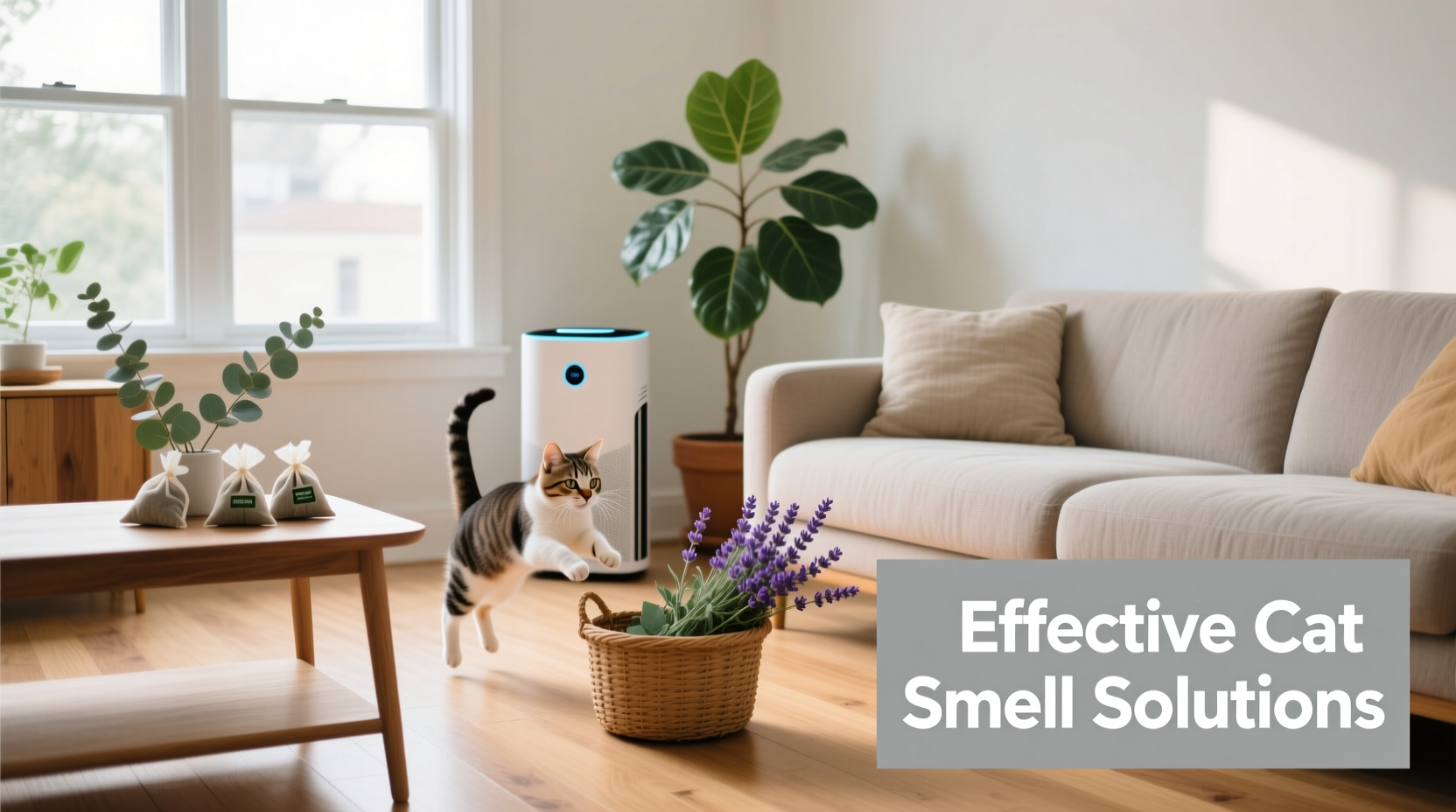
Cat odors don’t originate from one single place. They stem from multiple sources, each requiring a different treatment strategy. The most common culprits include:
- Urine and feces: Especially problematic when accidents occur outside the litter box or when waste breaks down in litter trays.
- Litter box buildup: Over time, ammonia from decomposing waste accumulates in trays, liners, and surrounding areas.
- Cat saliva and dander: As cats groom themselves, oils and proteins transfer to furniture and fabrics.
- Damp or soiled bedding: Cat beds, blankets, and favorite napping spots absorb body odors.
Effective odor control begins with identifying and treating the root cause, not just spraying air fresheners. Many commercial sprays only cover up smells temporarily and may even irritate your cat’s sensitive respiratory system.
Tip: Always use enzymatic cleaners for organic stains like urine—they break down odor-causing compounds instead of masking them.Step-by-Step Guide to Eliminate Cat Smells
Follow this comprehensive process to tackle cat odors systematically and prevent recurrence.
- Locate and clean all accident sites: Use a blacklight in a dark room to detect dried urine spots on carpets, baseboards, or furniture. Once found, treat immediately.
- Blot, don’t scrub: For fresh spills, blot with paper towels to absorb moisture. Scrubbing can push urine deeper into fibers.
- Apply an enzymatic cleaner: Choose a pet-safe enzymatic product (like Nature's Miracle or Rocco & Roxie). Apply generously, let sit for 5–10 minutes, then wipe or blot.
- Air out the area: Open windows or use fans to improve ventilation and speed up drying. Moisture encourages bacterial growth, which worsens odors.
- Wash affected fabrics: Launder bedding, throws, and washable covers in hot water with an enzyme-based detergent.
- Treat carpets and upholstery: For deep-seated odors, consider steam cleaning with a pet-safe solution after pre-treating with an enzymatic spray.
Repeat treatments as needed—some stubborn odors require multiple applications, especially in high-absorbency materials like memory foam or padding beneath carpets.
Optimize Litter Box Management
The litter box is often the primary source of household odor. Proper maintenance drastically reduces smell production.
| Practice | Effectiveness | Frequency |
|---|---|---|
| Scoop solid waste | High – prevents ammonia buildup | Daily |
| Full litter change | Essential – eliminates residual odors | Every 2–4 weeks |
| Wash litter box with mild soap | Moderate – removes biofilm and bacteria | Monthly |
| Use clumping, low-dust, unscented litter | High – controls odor without irritating cats | Ongoing |
Experts recommend having one litter box per cat, plus one extra. Place boxes in quiet, accessible locations away from loud appliances. Avoid placing them next to food and water stations—cats naturally avoid eliminating near eating areas.
“Cats are fastidious by nature. A dirty litter box doesn’t just create odor—it can lead to inappropriate elimination elsewhere in the house.” — Dr. Lydia Tong, Feline Behavior Specialist
Improve Indoor Air Quality
Even with excellent cleaning habits, airborne particles and lingering smells may persist. Enhance your indoor air quality using passive and active methods.
- Ventilation: Open windows daily when weather permits. Cross-ventilation helps flush out stale air.
- Air purifiers: Use HEPA filters with activated carbon to trap dander, dust, and volatile organic compounds (VOCs) from waste.
- Baking soda placement: Place open boxes of baking soda near litter areas or under furniture to passively absorb odors.
- Natural deodorizers: Simmer citrus peels, cinnamon, or cloves in water for a safe, non-toxic scent boost.
Mini Case Study: The Johnson Family’s Odor-Free Home Transformation
The Johnsons had two cats and struggled with persistent urine smells in their basement playroom. Despite frequent carpet cleaning, the odor returned within days. After consulting a pet behaviorist, they discovered their older cat was avoiding the litter box due to arthritis pain and discomfort bending over.
They took three key actions: installed a low-entry litter box, began daily scooping with a silica-based clumping litter, and treated the carpet with a professional-grade enzymatic solution. Within two weeks, the smell disappeared. Ongoing maintenance—including monthly steam cleaning and using an air purifier—has kept the space fresh for over a year.
Essential Do’s and Don’ts When Dealing With Cat Odors
| Do’s | Don’ts |
|---|---|
| Use enzymatic cleaners for biological messes | Use ammonia or vinegar-based cleaners (they mimic urine scent and attract cats back to the spot) |
| Wash cat bedding weekly | Ignore subtle signs like excessive grooming or avoidance of certain rooms |
| Provide multiple litter boxes in multi-level homes | Overpower smells with synthetic fragrances |
| Consult a vet if sudden litter box avoidance occurs | Assume the problem is purely behavioral without checking for medical causes |
FAQ
Why does my house still smell like cat urine even after cleaning?
Urine contains uric acid crystals that can remain embedded in porous surfaces like wood, drywall, or carpet padding. Standard cleaners may remove surface stains but fail to break down these crystals. Enzymatic cleaners are specifically designed to digest these compounds, eliminating the odor source.
Can I use vinegar to clean cat urine?
No. While vinegar is acidic and may seem like a logical choice, it does not effectively break down uric acid. Worse, its smell resembles ammonia (a breakdown product of urine), which can encourage cats to re-mark the area. Stick to enzymatic cleaners for best results.
How often should I replace my cat’s litter box?
Plastic litter boxes degrade over time, developing microscopic scratches where bacteria and odors embed. Replace plastic boxes every 6–12 months, or sooner if cracked or discolored. Metal or ceramic alternatives offer longer durability and easier sanitation.
Checklist: Weekly Routine to Keep Your Home Fresh
- ☑ Scoop all litter boxes daily
- ☑ Wash any soiled bedding or fabric items
- ☑ Wipe down hard surfaces near litter areas
- ☑ Empty and clean air purifier filters
- ☑ Check for hidden odor sources (under furniture, behind doors)
- ☑ Refresh baking soda in odor-prone zones
- ☑ Inspect your cat for signs of illness or stress affecting bathroom habits
Conclusion
Eliminating cat smells isn’t about covering them up—it’s about understanding their origin and applying targeted, consistent solutions. From enzymatic cleaners to strategic litter box placement and improved air filtration, each step plays a role in creating a healthier, more pleasant living space for both you and your feline companion. Odor control is not just about cleanliness; it’s about respecting your cat’s instincts and ensuring their comfort, which in turn supports better behavior and fewer accidents.
💬 Ready to reclaim a fresh-smelling home? Start today by auditing your current litter routine and treating one lingering stain with an enzymatic cleaner. Small changes lead to lasting results.








