Living with cats brings joy, companionship, and a certain level of mess. One of the most common challenges for cat owners is managing persistent odors—especially from litter boxes, urine accidents, and general pet smells. While occasional odors are normal, recurring bad smells can affect indoor air quality and make your home less inviting. The good news: with the right approach, you can eliminate cat odor at its source and maintain a consistently fresh environment.
Effective odor control isn’t about masking smells with air fresheners; it’s about identifying the root causes and using targeted, sustainable solutions. From choosing the right litter to deep-cleaning fabrics, this guide outlines proven strategies that actually work.
Understand the Source of Cat Odor
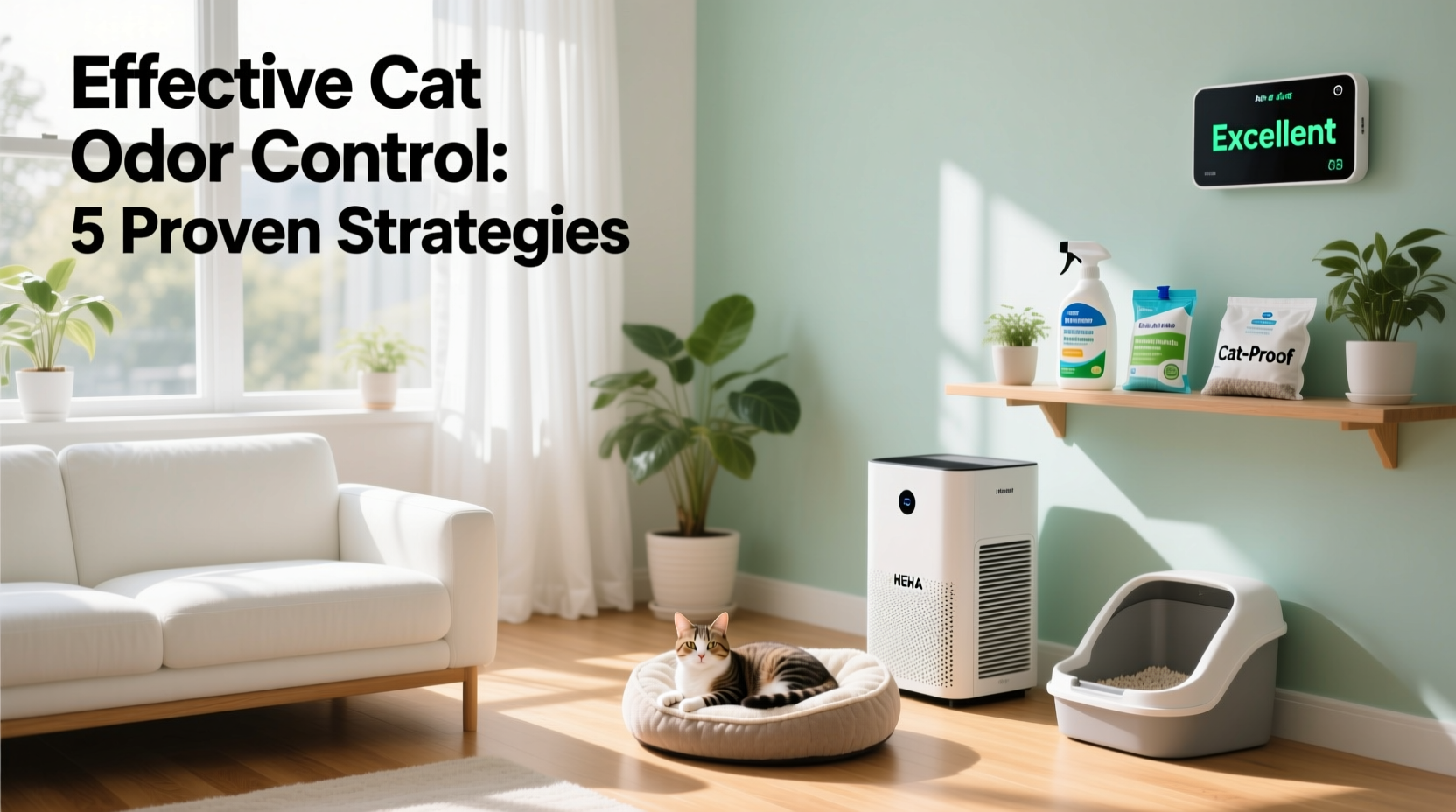
Cat odors typically stem from three main sources: urine, feces, and natural body oils. Each has distinct characteristics and requires different treatment methods.
- Urine: Contains urea, uric acid, and bacteria that produce ammonia when broken down. Uric acid crystals bond tightly to surfaces and reactivate when exposed to moisture.
- Feces: Releases sulfur compounds and volatile organic acids, especially if not scooped daily.
- Body oils and dander: Cats groom themselves frequently, transferring oils and scent markers onto furniture, carpets, and bedding.
Ignoring any of these sources leads to cumulative odor buildup. For example, a single missed urine spot can recontaminate an entire room after cleaning if not treated properly.
Tip: Always use blacklight inspection in low light to detect invisible urine stains on floors and upholstery.Choose the Right Litter and Maintain the Box
The litter box is ground zero for odor control. Even the cleanest homes struggle if this area isn’t managed effectively.
- Scoop daily: Remove waste at least once per day. Solid waste decomposes quickly and releases strong odors.
- Replace litter weekly: Clumping litter should be fully changed every 7–10 days, even if it looks clean.
- Select low-dust, odor-controlling litter: Look for formulas with activated charcoal, baking soda, or plant-based enzymes.
- Use covered boxes wisely: Covered boxes contain spray but trap odors. Ensure proper ventilation and clean more frequently.
A study by the American Society for the Prevention of Cruelty to Animals (ASPCA) found that 85% of inappropriate elimination behaviors are linked to litter box dissatisfaction—often due to poor hygiene or unpleasant scents.
| Litter Type | Odor Control | Dust Level | Best For |
|---|---|---|---|
| Clay (bentonite) | Moderate | High | Budget-conscious owners |
| Silica gel crystals | Excellent | Low | Multi-cat households |
| Pine or paper-based | Good | Very Low | Eco-friendly homes |
| Crystal + carbon blend | Superior | Low | Severe odor issues |
Deep-Clean Surfaces with Enzymatic Solutions
Standard cleaners may remove visible stains but fail to break down odor-causing organic compounds. Enzymatic cleaners use live bacteria to digest uric acid, proteins, and fats at a molecular level.
Apply enzymatic cleaner as follows:
- Blot excess moisture with paper towels—never rub.
- Pour or spray enzyme solution generously over the affected area.
- Cover with plastic wrap for 6–12 hours to prevent evaporation and enhance penetration.
- Allow to dry naturally. Do not wipe or rinse.
This process takes longer than traditional cleaning but delivers permanent results. Avoid ammonia- or vinegar-based cleaners on urine—they can worsen the smell by reacting with uric acid.
“Enzymatic cleaners are the gold standard for pet odor removal. They don’t mask—they destroy the odor at its biological source.” — Dr. Laura Bennett, DVM, Pet Environmental Health Specialist
Mini Case Study: Eliminating Lingering Smell in a Multi-Cat Home
Sarah, a cat owner in Portland, struggled with persistent ammonia smells despite daily scooping and weekly litter changes. She had two cats and used a basic clay litter in a covered box placed in her basement laundry room.
After consulting a vet behaviorist, she made several changes:
- Added a second uncovered litter box on the main floor.
- Switched to a silica-crystal litter with carbon filtration.
- Used a blacklight to identify old urine spots on the carpet near the original box.
- Treated all stained areas with an enzymatic cleaner over three applications.
- Installed a small exhaust fan to improve airflow.
Within two weeks, the basement odor disappeared completely. Her cats showed no signs of stress, and household members reported significantly fresher air.
Ventilation and Air Quality Management
No amount of cleaning compensates for poor air circulation. Stagnant air allows odors to settle into fabrics and walls.
Tip: Open windows for at least 10 minutes twice a day to refresh indoor air, even in winter.Consider these long-term improvements:
- Use HEPA air purifiers: Models with activated carbon filters capture pet dander and neutralize gaseous odors.
- Run bathroom fans during and after cleaning: Helps extract moist, odor-laden air.
- Wash HVAC filters monthly: Dirty filters recirculate odors and allergens.
Place air purifiers near litter zones, sleeping areas, and high-traffic cat spaces. A unit with a CADR (Clean Air Delivery Rate) of at least 200 is ideal for medium-sized rooms.
Preventive Checklist for Odor-Free Living
Maintaining freshness requires consistency. Use this checklist weekly:
- ☑ Scoop litter boxes at least once daily
- ☑ Inspect carpets and furniture for hidden stains using a UV flashlight
- ☑ Wash cat bedding, blankets, and toys in hot water (140°F or higher)
- ☑ Vacuum upholstered furniture and drapes with a HEPA vacuum
- ☑ Replace air purifier carbon filters as recommended
- ☑ Wipe down hard surfaces with pet-safe disinfectant
- ☑ Groom cats weekly to reduce shedding and oil transfer
Frequently Asked Questions
Can I use vinegar to clean cat urine?
Vinegar is acidic and temporarily neutralizes alkaline ammonia, giving a false sense of cleanliness. However, it doesn’t break down uric acid crystals. Worse, some cats interpret the smell as a territorial marker and may re-soil the same spot. Enzymatic cleaners are far more effective and safer long-term.
How often should I replace my cat’s litter box?
Plastic litter boxes absorb odors over time and become porous with scratches. Replace them every 6–12 months, or sooner if cracked or discolored. Metal or stainless steel boxes last longer and resist odor retention.
Is baking soda safe around cats?
In small amounts, baking soda is non-toxic and useful for deodorizing. Sprinkle it on carpets before vacuuming or add it to laundry. However, avoid loose powders in accessible areas—cats may inhale or ingest them while grooming. Never use baking soda as a litter additive in large quantities.
Final Thoughts: Freshness Is a System, Not a Single Fix
Eliminating cat odor isn’t about one powerful spray or a deep clean once a year. It’s a combination of smart habits, the right products, and consistent maintenance. When you address both visible messes and invisible residues, your home stays fresher with less effort over time.
Start by auditing your current routine. Are you using enzymatic cleaners? Is your litter box setup meeting your cat’s behavioral needs? Are air filters neglected? Small adjustments compound into dramatic improvements.
💬 What’s your go-to method for keeping your home smelling fresh with cats? Share your tips and experiences with fellow pet owners in the comments below!








