Dog chewing is a natural behavior rooted in instinct, teething, boredom, or anxiety. While puppies explore the world through their mouths, adult dogs may chew out of stress, excess energy, or lack of appropriate outlets. Left unmanaged, this behavior can lead to damaged furniture, shoes, electronics, and even health risks if toxic materials are ingested. The key to solving the problem isn’t punishment—it’s understanding, redirection, and consistent prevention. With the right combination of environmental management, training, and mental stimulation, you can effectively stop destructive chewing and keep both your dog and your home safe.
Understanding Why Dogs Chew
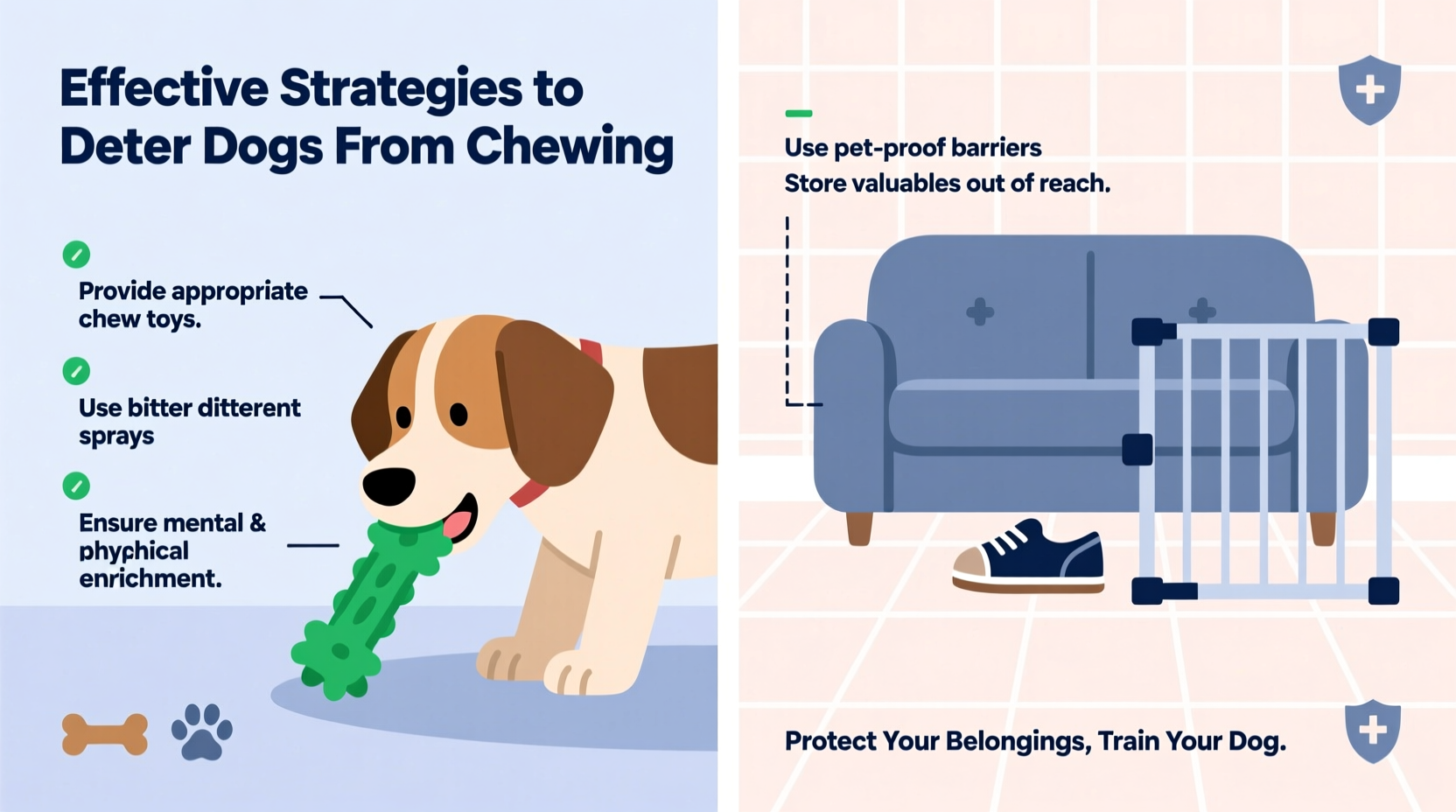
Before addressing how to stop destructive chewing, it’s essential to understand why dogs do it. Chewing serves several purposes:
- Teething (3–6 months): Puppies lose baby teeth and grow adult ones, causing discomfort that chewing relieves.
- Exploration: Young dogs use their mouths to investigate new textures and objects.
- Boredom or Understimulation: Dogs without enough physical or mental activity often resort to chewing for entertainment.
- Anxiety or Stress: Separation anxiety, noise phobias, or changes in routine can trigger compulsive chewing.
- Lack of Training: If a dog hasn’t learned what is acceptable to chew, they will assume everything is fair game.
Recognizing the root cause allows for targeted solutions. A puppy teething needs chew toys; an anxious dog may need behavioral support. Addressing only the symptom—damaged belongings—without tackling the cause leads to recurring problems.
Tip: Rotate chew toys weekly to maintain novelty and prevent toy fatigue.Environmental Management: Protecting Your Belongings
Prevention starts with controlling access. Even the best-trained dog can succumb to temptation when left unsupervised with a tempting shoe or electrical cord. Smart environmental management reduces opportunities for chewing and sets your dog up for success.
- Secure valuables: Store shoes, books, cords, and other chewable items in closed closets, drawers, or behind baby gates.
- Use bitter sprays: Apply pet-safe deterrent sprays (like Grannick’s Bitter Apple) on furniture legs, baseboards, or cords. These taste unpleasant but are harmless.
- Cover cords: Use cord protectors or conduit tubing to hide electrical wires behind furniture or along walls.
- Confine when necessary: Use a crate, exercise pen, or dog-proofed room when you can’t supervise. Ensure the space includes approved chew toys.
- Remove temptation: If your dog consistently targets a specific item (e.g., a rug or chair), consider removing it temporarily until behavior improves.
| Do’s | Don’ts |
|---|---|
| Provide durable, size-appropriate chew toys | Leave valuable items within reach |
| Use baby gates to block off rooms | Scold after the fact—dogs don’t connect punishment to past actions |
| Supervise closely during early training phases | Use physical punishment, which increases fear and anxiety |
| Rotate toys to maintain interest | Give old shoes or socks as “toys”—this confuses boundaries |
Training Techniques to Redirect Chewing Behavior
Consistent training teaches dogs what is acceptable to chew. The goal is not suppression but redirection to appropriate alternatives.
Start with the “Leave It” command. Present a forbidden object (e.g., a slipper). When the dog shows interest, say “Leave it.” Reward with a treat and praise when they disengage. Repeat daily until reliable. Pair this with the “Take It” command when offering approved toys, reinforcing clear distinctions.
Another effective method is the trade-up strategy. If your dog picks up something inappropriate, calmly offer a high-value chew toy in exchange. Never chase or yell—this turns it into a game. Keep desirable chews readily available so you can act quickly.
“Dogs aren’t born knowing what’s off-limits. They learn through consistency and positive reinforcement.” — Dr. Karen Becker, DVM, Integrative Veterinary Practitioner
Enrichment and Mental Stimulation
A tired dog is a well-behaved dog. Physical and mental exhaustion significantly reduce destructive chewing. Dogs bred for work—like herding or hunting breeds—require intense engagement to stay balanced.
Daily walks, fetch sessions, or agility training help burn energy. But equally important is mental stimulation. Puzzle toys, snuffle mats, and food-dispensing balls challenge your dog’s mind and satisfy natural foraging instincts.
For dogs prone to chewing when alone, consider leaving a stuffed Kong or frozen peanut butter-filled toy. These provide hours of focused activity and associate solitude with positive experiences.
Tip: Freeze a Kong filled with yogurt, banana, and kibble for a long-lasting, cooling chew treat.Mini Case Study: Max, the Lab-Pit Mix
Max, a two-year-old Labrador-Pitbull mix, chewed through blinds, baseboards, and two pairs of leather boots in three weeks. His owner worked full-time and assumed Max was just “teething,” though he was well past puppyhood. A behavior assessment revealed under-stimulation and mild separation anxiety.
The solution included: a midday dog walker, daily 45-minute hikes, a rotation of puzzle toys, and crate training with a stuffed Kong. Bitter spray was applied to baseboards. Within four weeks, destructive chewing stopped. Max now spends solo time quietly chewing a bully stick or working on a puzzle toy—proof that environment and enrichment matter more than obedience alone.
Step-by-Step Guide to Prevent Destructive Chewing
Follow this timeline to build lasting habits:
- Week 1: Assess & Secure – Identify chew targets, remove or protect them, and stock up on safe chew toys.
- Week 2: Supervise & Redirect – Monitor closely, interrupt chewing attempts, and redirect to appropriate toys using treats and praise.
- Week 3: Introduce Commands – Train “Leave It” and “Drop It” with low-value items, gradually increasing difficulty.
- Week 4: Build Independence – Practice short absences with chew toys, gradually extending duration while monitoring for regression.
- Ongoing: Enrich & Maintain – Continue rotating toys, providing exercise, and reinforcing rules—even after success.
FAQ
How long does it take to stop a dog from chewing?
With consistent effort, most dogs improve within 3–6 weeks. Puppies may need several months as they mature. Relapses can occur during stressful events, so ongoing management is key.
Are antler or rawhide chews safe?
Antlers are very hard and can crack teeth, especially in aggressive chewers. Rawhide poses choking and digestive risks if swallowed in large pieces. Safer options include rubber toys (e.g., Kongs), nylon bones designed for safety, or edible chews labeled digestible.
What if my dog only chews when I’m gone?
This often signals separation anxiety. In addition to environmental fixes, consult a veterinarian or certified animal behaviorist. Calming aids like Adaptil diffusers or anxiety wraps may help, but professional guidance ensures proper diagnosis and treatment.
Checklist: Dog-Proof Your Home
- ✅ Remove or secure shoes, books, and remote controls
- ✅ Cover electrical cords with protective sleeves
- ✅ Install baby gates to limit access to vulnerable areas
- ✅ Stock a variety of chew toys (rubber, rope, edible)
- ✅ Apply pet-safe bitter spray to off-limit surfaces
- ✅ Crate-train your dog for safe confinement
- ✅ Schedule daily exercise and mental challenges
- ✅ Supervise during high-risk times (e.g., first hour after arrival)
Conclusion
Destructive chewing doesn’t have to be a permanent issue. By combining smart environmental design, consistent training, and enriching activities, you can protect your belongings while supporting your dog’s natural needs. Remember, chewing isn’t defiance—it’s communication. Respond with patience, structure, and empathy, and you’ll build a calmer, happier household for both of you.
💬 Have a chewing success story or a tough case? Share your experience in the comments—your insight could help another dog owner find relief!








