Cat activity in residential yards is a common issue across neighborhoods, especially in urban and suburban areas. While many people appreciate felines, few welcome their presence when it comes to finding cat droppings in flower beds, gardens, or on patios. The good news is that you can effectively discourage cats from using your outdoor space as a litter box—without resorting to harmful methods. Humane deterrents not only align with ethical standards but are often more sustainable and legally compliant than aggressive alternatives.
This guide explores science-backed, non-lethal approaches to keep cats away from your property. From environmental modifications to sensory deterrents, these strategies respect animal welfare while restoring cleanliness and comfort to your outdoor environment.
Understanding Why Cats Choose Your Yard
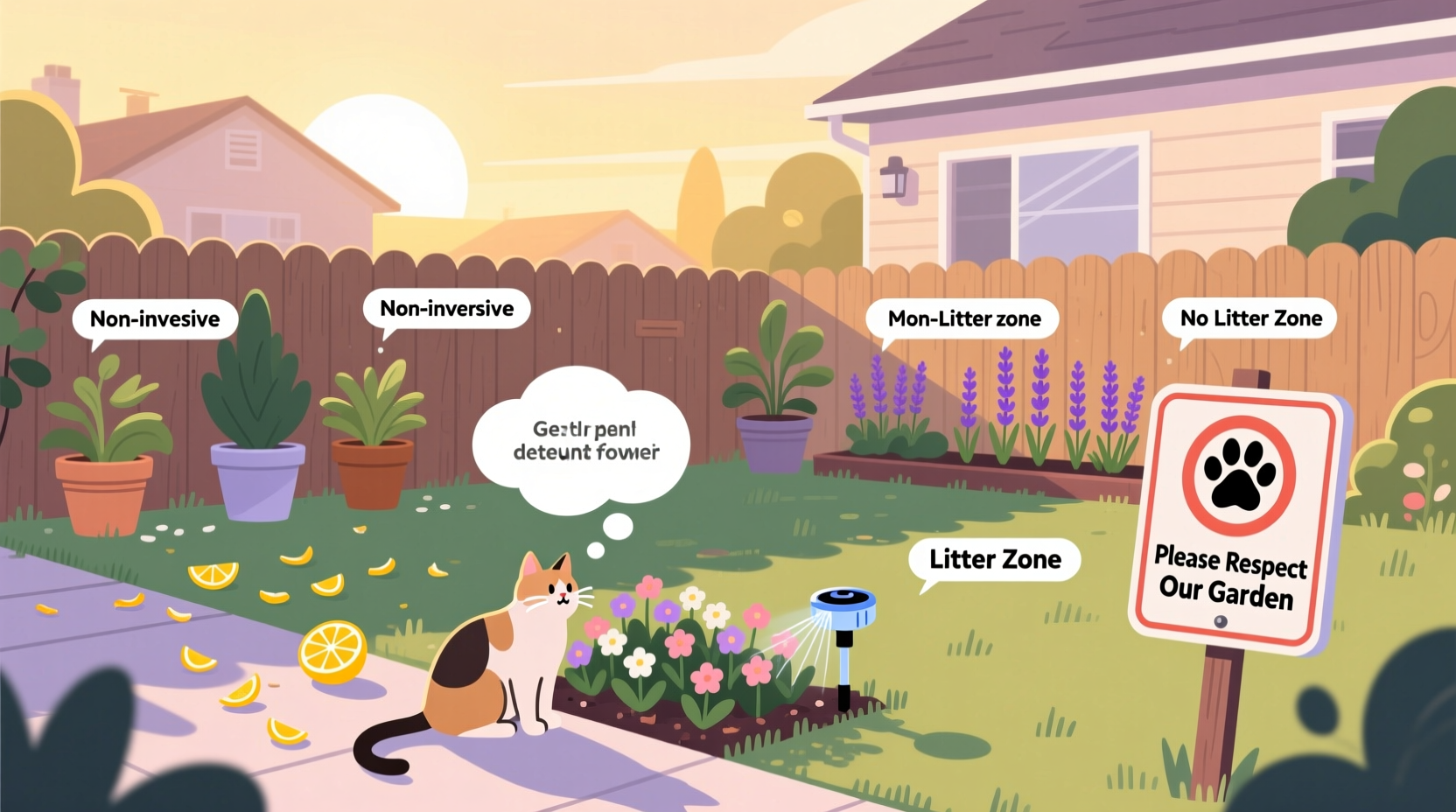
Before implementing deterrents, it’s essential to understand why cats are attracted to your yard in the first place. Outdoor cats—whether stray, feral, or neighbor-owned—seek soft, loose soil for digging, privacy, and safety from predators. Gardens, mulched beds, and sandbox-like areas mimic natural litter conditions, making them ideal targets.
Cats also rely on scent marking and routine. Once a cat has used your yard as a bathroom, others may follow due to pheromone signals left behind. This creates a recurring problem unless both the behavior and the environment are addressed.
“Cats are creatures of habit and terrain preference. Disrupting access and altering substrate appeal are key to long-term deterrence.” — Dr. Lena Torres, Wildlife Behavior Specialist
Sensory Deterrents That Work
Cats have highly sensitive hearing, smell, and touch. Leveraging these senses allows you to create an unwelcoming—but harmless—environment.
- Odor-based repellents: Cats dislike strong citrus, lavender, and eucalyptus scents. Spraying diluted essential oils (mixed with water) around garden edges can deter entry. However, avoid direct application to plants, as some oils can damage foliage.
- Vinegar solutions: A mixture of white vinegar and water (1:1 ratio) sprayed on soil surfaces adds an unpleasant smell and slightly alters pH, discouraging digging.
- Ultrasonic devices: Motion-activated ultrasonic repellers emit high-frequency sounds when movement is detected. These are inaudible to humans but startling to cats. Place them near entry points or frequented zones.
- Tactile discomfort: Cats avoid walking on uncomfortable surfaces. Laying chicken wire just beneath soil surface, placing plastic carpet runners (nub-side up), or scattering pine cones disrupts their preferred texture.
Environmental Modifications
Changing the physical layout of your yard can make it less appealing to cats without affecting aesthetics for humans.
Consider replacing loose mulch with heavier materials like gravel, stone, or wood chips with sharp edges. These substrates are difficult to dig in and uncomfortable under paw. Raised garden beds with lattice covers or mesh netting also block access while allowing plant growth.
Another effective method is strategic planting. Certain plants naturally repel cats due to their scent or texture:
- Rue (Ruta graveolens) – strong odor, mildly toxic if ingested (use with caution)
- Lavender – fragrant and unappealing to cats
- Citronella – known for mosquito-repelling properties, also deters cats
- Dwarf marigolds – emit a pungent smell disliked by felines
Plant these along borders or around vulnerable garden zones to create natural barriers.
Step-by-Step Guide to Cat-Proofing Your Yard
Implementing a multi-layered approach increases success. Follow this timeline for best results:
- Week 1: Assess and clean. Identify hotspots where cats defecate. Remove all waste carefully (wear gloves), then clean the area with an enzyme-based cleaner to eliminate lingering odors that attract repeat visits.
- Week 2: Install physical barriers. Lay chicken wire under mulch, place upside-down carpet runners in pathways, or add rocks to flower beds.
- Week 3: Introduce sensory deterrents. Set up ultrasonic devices and begin spraying natural repellents daily.
- Week 4: Add deterrent plants. Plant cat-repelling species around perimeter zones.
- Ongoing: Monitor and adapt. Observe which methods work best and adjust accordingly. Rotate scents to prevent habituation.
Do’s and Don’ts When Deterring Cats
| Do’s | Don’ts |
|---|---|
| Use motion-activated sprinklers to startle cats gently | Use ammonia-based cleaners (mimics urine, attracts cats) |
| Install motion-sensing lights to disrupt nighttime activity | Shout at or chase cats aggressively |
| Collaborate with neighbors to address community cat issues | Use glue traps, poisons, or physical harm |
| Support local TNR (Trap-Neuter-Return) programs | Assume all outdoor cats are strays—some may be owned |
Real Example: A Suburban Garden Transformed
In Portland, Oregon, homeowner Maria R. struggled with persistent cat activity in her vegetable garden. Despite fencing, cats squeezed through gaps and used the rich soil for elimination. She began by cleaning affected areas with an enzymatic solution, then laid chicken wire beneath the topsoil. She installed two ultrasonic repellers near garden entrances and planted lavender and rue along the borders.
Within three weeks, signs of cat activity dropped significantly. After six weeks, no new deposits were found. Maria continues rotating scents monthly and maintains the barriers, reporting her garden is now thriving and cat-free.
Tip: Combine at least two deterrent types (e.g., scent + texture) for maximum impact.Community and Ethical Considerations
It’s important to recognize that many outdoor cats are part of managed colonies supported by caretakers or local animal welfare groups. Before taking action, observe whether the cats appear healthy, tagged, or ear-tipped (a sign of spaying/neutering). If so, they may be part of a TNR program.
Instead of acting alone, consider discussing the issue with neighbors or contacting local animal control or rescue organizations. Some cities offer free deterrent kits or advice on coexistence. Promoting humane practices benefits both community harmony and animal well-being.
Frequently Asked Questions
Can I use coffee grounds to keep cats away?
Coffee grounds have a strong smell and rough texture that may deter cats temporarily. However, their effectiveness varies, and they can alter soil acidity. Use sparingly and mix with other deterrents for better results.
Are motion-activated sprinklers safe for cats?
Yes. These devices release a brief burst of water when motion is detected. While startling, they do not cause physical harm and are considered humane. Many pet owners use them successfully without adverse effects on wildlife.
What should I do if a neighbor’s cat keeps coming into my yard?
Approach the conversation respectfully. Share your concerns and suggest collaborative solutions, such as encouraging the owner to keep the cat indoors or provide a litter box outdoors on their own property. Most cat owners are willing to cooperate when approached politely.
Final Thoughts and Action Plan
Deterring cats from pooping in your yard doesn’t require cruelty or conflict. With patience and the right combination of tactics, you can reclaim your outdoor space humanely and effectively. Start with odor removal, layer in physical and sensory deterrents, and engage your community when needed.
The most successful outcomes come from consistency and empathy—understanding cat behavior while protecting your property. By choosing compassionate solutions, you contribute to a safer, more respectful environment for both people and animals.
💬 Have a strategy that worked for you? Share your experience in the comments to help others find humane, lasting solutions.








