
For millions of cat owners, the joy of feline companionship comes with a persistent challenge: managing the odor from cat litter. Even with regular scooping, unpleasant smells can linger and spread throughout the home. The good news is that with the right combination of products, habits, and environmental control, it’s entirely possible to minimize—and often eliminate—litter box odors. This guide explores science-backed methods and real-world-tested approaches to help you maintain a clean, fresh-smelling living space while keeping your cat happy and healthy.
Choose the Right Litter for Odor Control
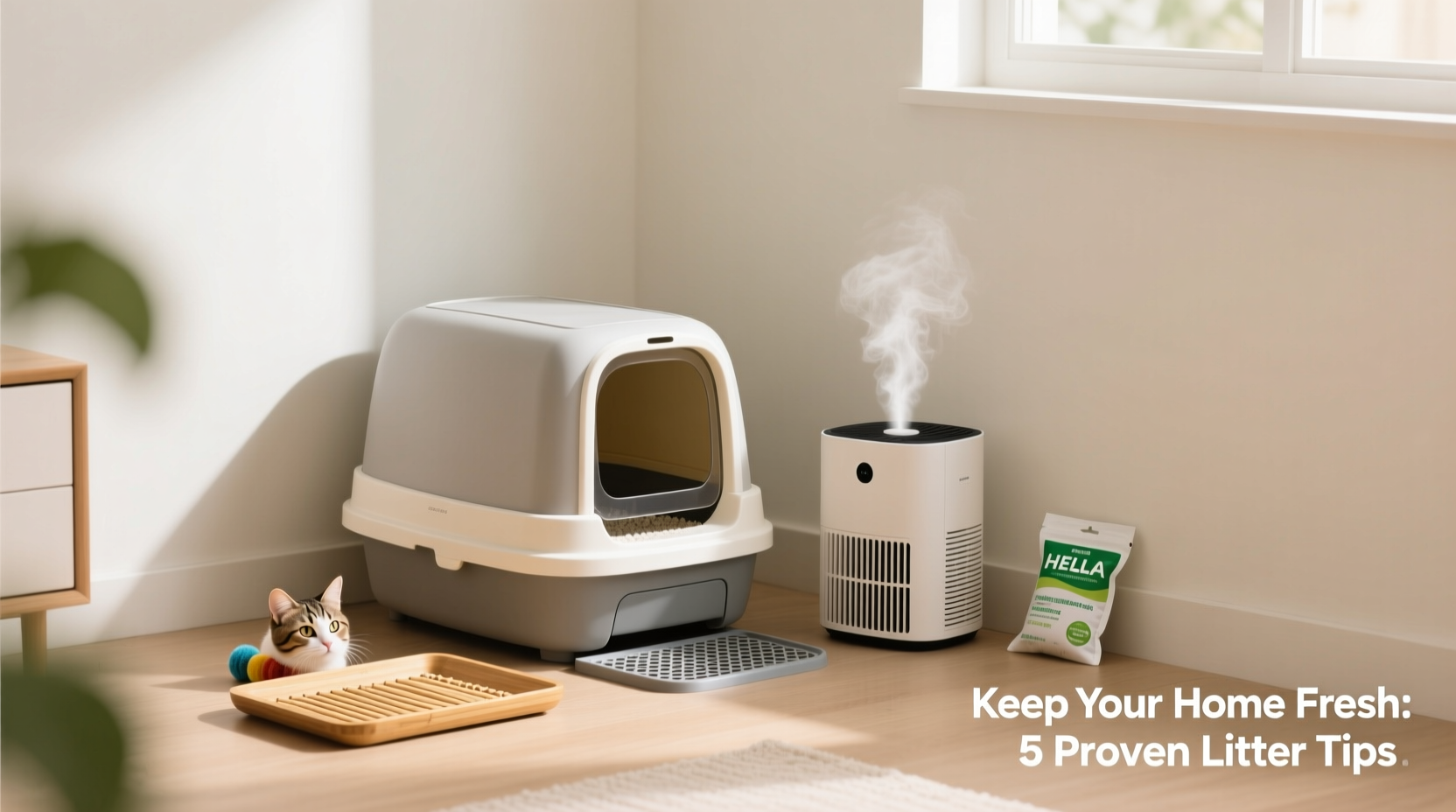
The foundation of odor management begins with selecting an effective cat litter. Not all litters are created equal when it comes to neutralizing ammonia and bacterial smells. Clumping clay, silica gel crystals, natural plant-based (like pine or corn), and recycled paper litters each have different absorption and scent-control properties.
Silica gel crystals are among the most effective at trapping moisture and locking in odors due to their highly porous structure. They absorb urine quickly and reduce bacterial growth, which is a primary source of ammonia smell. Natural litters made from pine or wheat often contain inherent antimicrobial properties and release a subtle woodsy scent when wet, masking bad odors without artificial fragrances.
Tip: Avoid heavily perfumed litters—they may mask odors temporarily but can irritate your cat’s respiratory system and lead to avoidance of the litter box.Maintain a Consistent Cleaning Routine
Daily scooping is non-negotiable. Waste breaks down rapidly, releasing ammonia and sulfur compounds into the air. Removing solid waste and clumps every 24 hours prevents bacterial proliferation and stops odors before they start.
Full litter replacement should occur every 2–4 weeks, depending on the number of cats and litter type. When changing the litter completely, wash the box thoroughly with mild soap and water. Never use ammonia-based or citrus-scented cleaners—ammonia mimics urine and may encourage inappropriate elimination, while citrus can be toxic to cats.
“Consistency in cleaning is more impactful than any high-tech litter box. A neglected box, no matter how advanced, will always smell.” — Dr. Lena Reyes, DVM, Feline Behavior Specialist
Optimize Litter Box Placement and Ventilation
Location matters. Placing a litter box in a cramped, poorly ventilated closet traps odors and makes cleaning inconvenient. Instead, choose a quiet but open area with airflow—such as a laundry room with a vent fan or a bathroom with an exhaust system.
Avoid high-traffic zones or near food preparation areas, but don’t isolate the box so far that your cat hesitates to use it. If multiple levels exist in your home, having at least one litter box per floor is ideal.
Incorporate passive ventilation by leaving doors slightly ajar or using a small fan nearby (not pointed directly at the box) to circulate air. For basements or windowless rooms, consider installing a quiet inline duct fan to pull stale air out.
Step-by-Step Guide: Improving Airflow Around the Litter Area
- Evaluate current litter box location for airflow and accessibility.
- Move the box away from walls—leave at least 6 inches of clearance on all sides.
- Install a small oscillating fan nearby to promote air movement.
- Add an air purifier with a HEPA and activated carbon filter within 6 feet of the box.
- Run bathroom or laundry room exhaust fans during and after cleaning.
Use Odor-Neutralizing Tools and Accessories
Beyond litter and cleaning, several tools can significantly reduce lingering smells:
- Carbon-filter air purifiers: Units with activated carbon specifically target volatile organic compounds (VOCs) from urine and feces.
- Litter box enclosures: Choose models with built-in ventilation and carbon filters. Avoid fully enclosed boxes without airflow, as they trap odors and may deter cats.
- Odor-absorbing mats: Place under the litter box to catch stray particles and absorb tracked moisture.
- Enzymatic cleaners: Use weekly on surrounding floors and walls to break down residual urine proteins invisible to the eye.
| Product Type | Best For | Limitations |
|---|---|---|
| Activated Carbon Air Purifier | Continuous odor reduction | Requires filter replacement every 3–6 months |
| Silica Gel Litter | Long-term odor and moisture control | Higher upfront cost; some cats dislike texture |
| Self-Cleaning Litter Box | Reducing manual scooping frequency | Potential mechanical failure; loud noise may scare cats |
| Enzymatic Floor Cleaner | Eliminating hidden odor sources | Must be applied regularly for maintenance |
Real-World Example: How One Household Eliminated Persistent Odors
The Thompson family had two cats and struggled with a persistent ammonia smell in their basement utility room, where both litter boxes were located. Despite daily scooping, guests would comment on the odor upon entering the space.
They implemented a multi-pronged strategy: switched to silica crystal litter, added a carbon-filter air purifier, installed a timer-controlled exhaust fan, placed washable odor-trapping mats under each box, and began monthly deep cleaning with enzymatic solution. Within three weeks, the smell was undetectable—even during gatherings. Their cats continued using the boxes without hesitation, proving that odor control doesn’t require compromising feline comfort.
Tip: Sprinkle a thin layer of baking soda at the bottom of the litter box before adding litter—it enhances odor absorption without altering scent.Common Mistakes That Worsen Litter Smell
Even well-intentioned owners sometimes make choices that exacerbate the problem:
- Using too little litter: A depth of less than 2–3 inches encourages digging through to the bottom, where old waste accumulates.
- Overlooking the box lid: Plastic lids trap odors and become coated with microscopic waste particles. Wash them monthly.
- Ignoring tracking: Cats kick litter out, spreading odor-causing bacteria across floors. Use deep-sided trays or top-entry boxes to reduce scatter.
- Having too few boxes: The general rule is one box per cat, plus one extra. Insufficient boxes lead to overuse and faster odor buildup.
FAQ: Addressing Common Concerns
Why does my house still smell like cat urine even after cleaning?
Urine contains uric acid crystals that standard cleaners don’t fully dissolve. Over time, these reactivate with humidity and release odor. Use an enzymatic cleaner designed to break down organic compounds at the molecular level, and apply it to baseboards, flooring joints, and beneath furniture where accidents may have occurred unnoticed.
Are automatic litter boxes better for odor control?
Many self-cleaning models seal waste in a closed compartment shortly after use, reducing exposure to air and thus odor. However, if not emptied frequently, the sealed compartment itself becomes a source of strong smell. These boxes also require consistent power and maintenance. For odor reduction, they can help—but only if used correctly.
Can diet affect litter box odor?
Yes. High-quality, easily digestible cat food results in less pungent waste. Diets rich in animal protein but low in fillers produce smaller volumes of waste with milder odor. Some owners report improvement after switching to limited-ingredient or grain-free formulas, though veterinary guidance is recommended before making dietary changes.
Checklist: Your 7-Day Plan to Fresher Air
- ☐ Replace old litter with a high-performance, low-dust, unscented variety.
- ☐ Scoop waste at least once daily.
- ☐ Wash the litter box and surrounding floor with enzymatic cleaner.
- ☐ Position an air purifier with carbon filter near the litter area.
- ☐ Add baking soda beneath the litter layer for extra absorption.
- ☐ Ensure the box has 6+ inches of clearance on all sides for airflow.
- ☐ Evaluate whether you need an additional litter box based on cat count.
Final Thoughts
Containing cat litter smell isn’t about finding a single magic solution—it’s about layering smart practices that work together. From choosing the right litter to optimizing airflow and maintaining rigorous hygiene, each step contributes to a fresher, more pleasant home environment. Most importantly, these improvements support your cat’s health and comfort, reducing stress and preventing litter box avoidance.
🚀 Ready to reclaim your fresh-smelling home? Start tonight by scooping thoroughly, adding a dash of baking soda, and placing an air purifier nearby. Small actions lead to big changes—one clean litter box at a time.








