
Cat ownership brings joy, companionship, and comfort—but it can also introduce persistent odors if not managed properly. One of the most common complaints among cat owners is the lingering smell of cat urine around the litter box. Even with regular scooping, odors can build up over time due to bacterial breakdown of urea, ammonia release, and microscopic residue that standard cleaning often misses. The good news: with the right approach, you can completely eliminate these smells and maintain a consistently fresh-smelling home.
Eliminating cat urine odor isn’t just about masking the scent—it’s about breaking down the compounds causing it at a molecular level. This requires a combination of proper hygiene, smart product choices, and consistent maintenance. Below are proven, science-backed strategies to help you reclaim freshness in your living space.
Understanding Why Cat Urine Smells So Strong
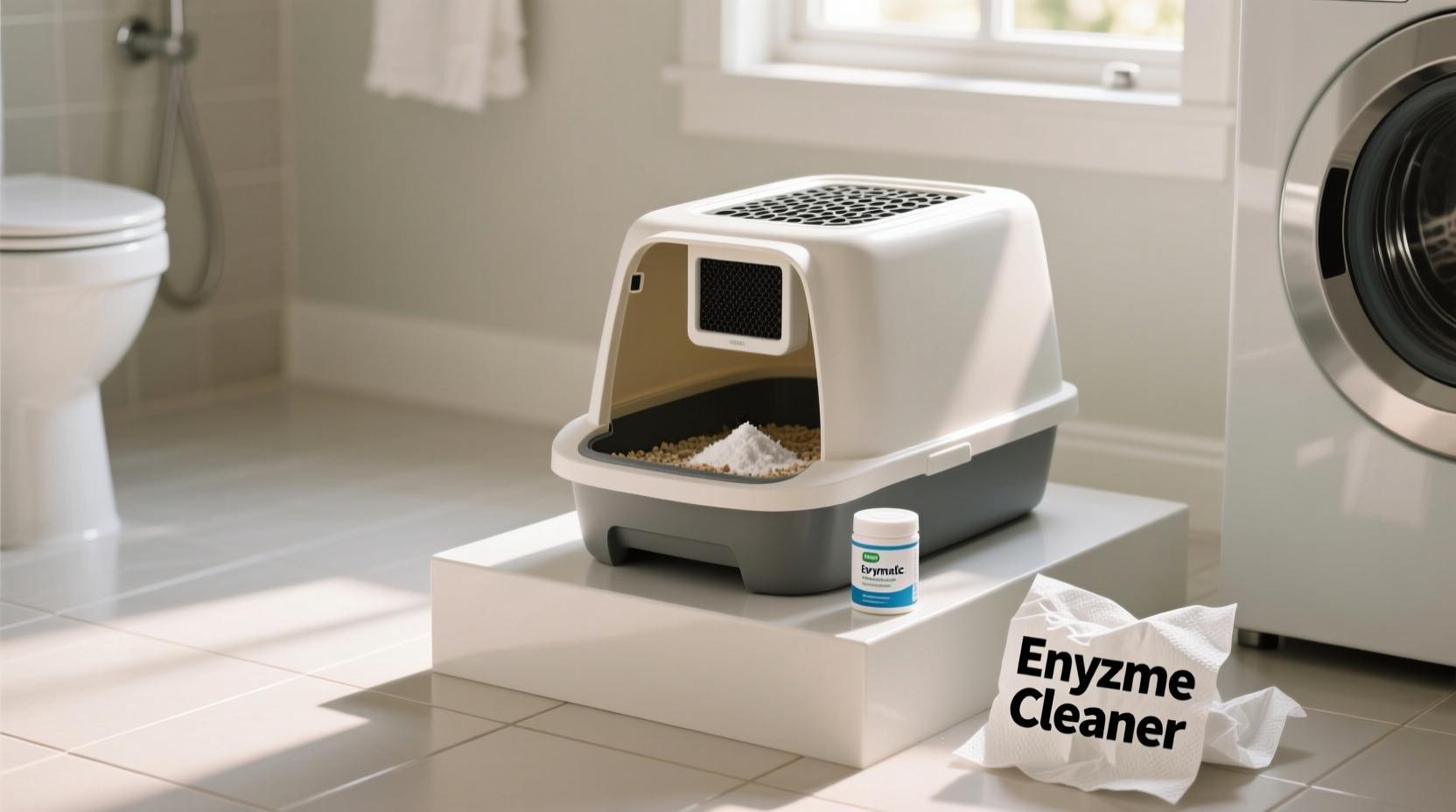
Cat urine contains high concentrations of urea, uric acid, and pheromones. When left uncleaned, bacteria begin to break down urea into ammonia—a pungent gas responsible for the sharp, eye-watering odor. Uric acid crystals can remain embedded in porous surfaces like wood, grout, or carpet padding long after visible stains disappear, reactivating when exposed to moisture or humidity.
This explains why some odors return weeks after cleaning. Standard household cleaners may remove surface stains but fail to neutralize uric acid. Enzymatic cleaners, however, contain bacteria and enzymes that digest organic waste, making them essential for true odor elimination.
“Most people think they’re cleaning, but they’re actually setting the stage for recurring odors by using products that don’t target uric acid.” — Dr. Linda Harper, DVM, Feline Health Specialist
Step-by-Step Guide to Deep Cleaning Your Litter Box Area
A one-time deep clean is crucial before implementing ongoing prevention strategies. Follow this timeline to fully reset your litter zone:
- Remove all litter and dispose of it in a sealed bag. Do not compost cat waste or flush clumping litter—this can damage plumbing and spread pathogens.
- Take the litter box out of its location and scrub it thoroughly with warm water and mild dish soap. Avoid harsh chemicals like bleach unless the box is non-porous and explicitly labeled safe for such use.
- Rinse and dry completely. Moisture encourages bacterial growth, so allow 12–24 hours of air drying.
- Clean the surrounding floor area with an enzymatic cleaner designed for pet urine. Spray generously on baseboards, corners, and under the box. Let sit for 10–15 minutes before wiping.
- Vacuum nearby carpets or rugs before applying enzymatic treatment. Use a low-pile brush to work the solution into fibers.
- Replace any liners, mats, or disposable trays that have absorbed odor over time. These items trap moisture and bacteria even after washing.
- Return the clean box to a well-ventilated spot, ideally away from heating vents or humid areas like bathrooms.
Choosing the Right Litter and Accessories
The type of litter you use plays a major role in odor control. Not all litters are created equal when it comes to trapping and neutralizing smells.
| Litter Type | Odor Control Level | Best For | Limitations |
|---|---|---|---|
| Clay (non-clumping) | Moderate | Budget-friendly option | Poor absorption; heavy; dusty |
| Clumping clay | Good | Daily scooping; moderate odor | Can track; less eco-friendly |
| Silica gel crystals | Excellent | Low maintenance; long-lasting | Expensive; some cats dislike texture |
| Plant-based (corn, wheat, pine) | Good to Excellent | Eco-conscious owners; natural scent | May mold if damp; variable performance |
Pair your litter choice with accessories that enhance containment:
- Litter box hood with carbon filter traps odors inside the box.
- Litter mat with deep pockets captures tracked particles before they spread.
- Double-box systems (like Litter-Robot or covered boxes with sifting trays) reduce exposure to waste and improve air quality.
Prevention Checklist: Daily, Weekly, and Monthly Maintenance
Sustained freshness comes from routine care. Use this checklist to stay ahead of odors:
Checklist: Litter Box Odor Prevention Routine✅ Daily:
- Scoop solid waste and clumps at least once per day
- Wipe edges of box with disinfectant wipe if needed
- Stir litter to aerate and expose dry layers
✅ Weekly:
- Replace all litter entirely
- Wash box with odor-neutralizing cleaner
- Clean surrounding floor and mat
- Check filters (if using self-cleaning unit)
✅ Monthly:
- Inspect baseboards and flooring for hidden residue
- Replace worn liners or damaged mats
- Re-evaluate litter type based on performance
- Deep-clean storage cabinet or closet if box is enclosed
Real Example: How One Homeowner Eliminated Persistent Odors
Sarah, a cat owner in Portland, struggled with a persistent ammonia smell in her basement laundry room where her two cats’ litter boxes were located. Despite daily scooping and monthly box washes, guests would comment on the odor upon entering.
After consulting a vet technician, she discovered that the concrete floor beneath the box had absorbed years of microscopic urine seepage. She followed a targeted plan: used a veterinary-grade enzymatic cleaner on the entire floor area, replaced her thin plastic mat with a rubber one that could be hosed down weekly, switched to silica crystal litter, and installed a small exhaust fan for airflow.
Within three weeks, the odor vanished completely. “I didn’t realize how much was trapped underground,” she said. “Now my cats go back there without hesitation, and I no longer dread doing laundry.”
Common Mistakes That Make Odors Worse
Avoid these pitfalls that undermine your efforts:
- Using ammonia-based cleaners – They mimic the scent of urine and can encourage cats to mark again.
- Infrequent full litter changes – Old litter becomes saturated and loses absorbency, leading to odor buildup.
- Overlooking the litter mat – Mats collect waste and moisture, becoming odor factories if not cleaned weekly.
- Placing the box in poorly ventilated areas – Closets, tight corners, or behind doors restrict airflow and concentrate smells.
- Ignoring behavioral signs – If your cat avoids the box, it may indicate discomfort or dissatisfaction, leading to accidents elsewhere.
Frequently Asked Questions
How often should I replace the entire litter box?
Plastic litter boxes degrade over time, developing micro-scratches that harbor bacteria and odors. Replace them every 6–12 months, or sooner if cracked, stained, or persistently smelly despite cleaning.
Can air purifiers help with litter box smell?
Yes—HEPA air purifiers with activated carbon filters effectively capture airborne particles and neutralize volatile organic compounds (VOCs) from urine. Place one near, but not inside, the litter area for continuous odor reduction.
Is it safe to use vinegar on litter box surfaces?
Vinegar has mild deodorizing properties and is safe on non-porous surfaces when diluted (1:1 with water). However, it does not break down uric acid crystals. For deep cleaning, pair vinegar rinsing with an enzymatic treatment for best results.
Final Thoughts: A Fresh Home Starts with Smart Habits
Eliminating cat urine smell isn’t a one-time fix—it’s the result of informed choices and consistent action. By understanding the chemistry of odor, selecting high-performance products, and adhering to a disciplined cleaning schedule, you can create a home environment that feels clean, welcoming, and truly pet-friendly.
Your cat deserves a hygienic space, and you deserve to enjoy your home without holding your breath. Start today: empty that litter box, grab an enzymatic cleaner, and take back control of your indoor air quality. Small changes lead to big improvements—one scoop at a time.
💬 Have a tip that worked wonders for your home? Share your experience in the comments and help fellow cat owners breathe easier!








