Long-haired cats are a joy to own—majestic, soft, and often regal in appearance. But their luxurious coats come with responsibilities. Unlike short-haired breeds, long-haired cats require consistent grooming to avoid mats, tangles, and skin irritation. Many owners underestimate the effort involved, only to face matted fur, stress during brushing sessions, or even vet visits for painful hairballs and dermatitis. The good news is that with the right tools, timing, and techniques, you can make grooming a calm, bonding experience rather than a struggle.
Grooming isn’t just about aesthetics—it’s essential for your cat’s health. Mats pull on the skin, trap moisture, and create breeding grounds for bacteria. In severe cases, they can restrict movement or lead to hot spots and infections. By establishing a comfortable, predictable routine at home, you not only maintain coat quality but also strengthen trust between you and your feline companion.
Understand Your Cat’s Coat and Needs
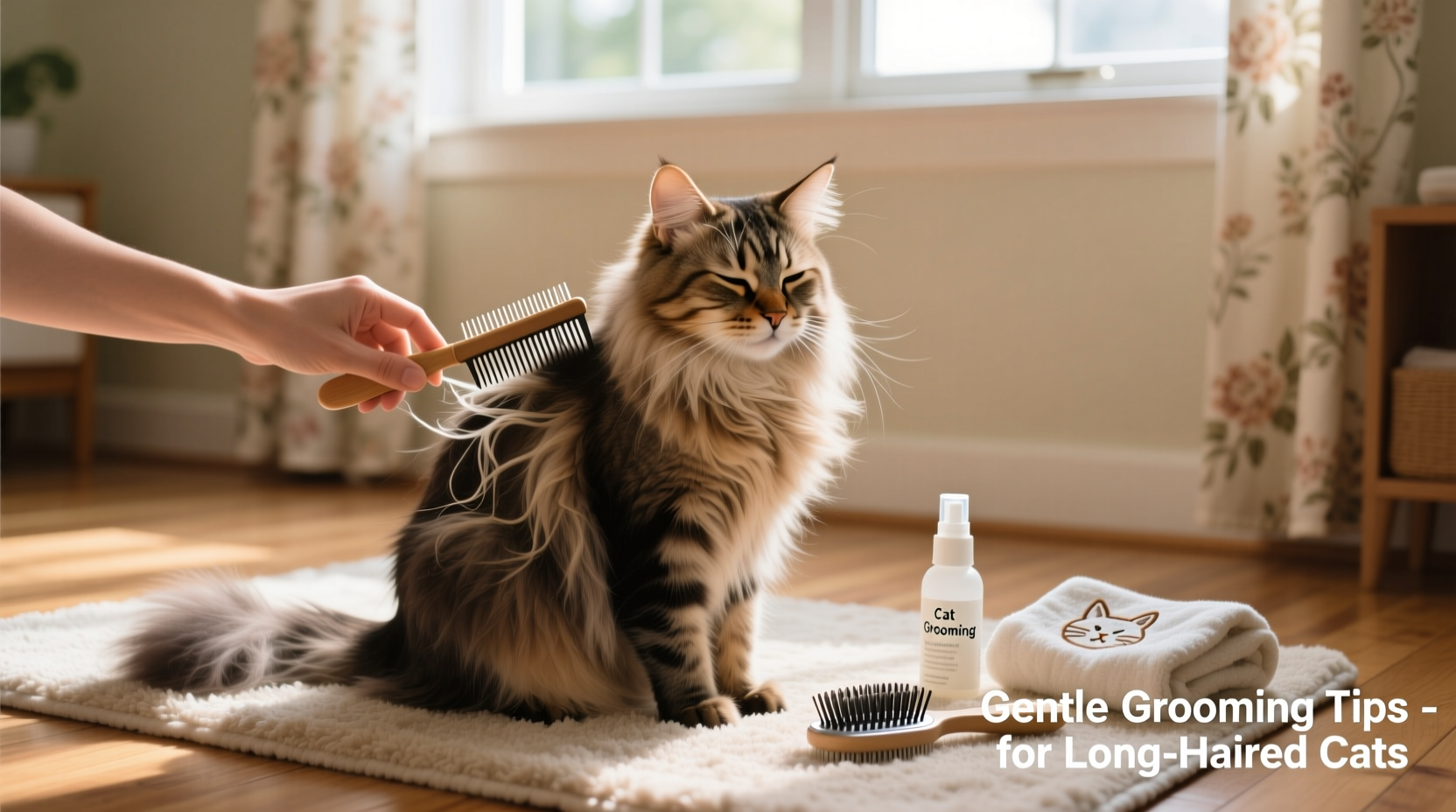
Cats like Persians, Maine Coons, and Ragdolls have dense undercoats and long guard hairs that easily tangle, especially around high-friction areas: behind the ears, under the legs, along the belly, and near the tail base. These zones need special attention because they’re prone to matting due to limited self-grooming access.
Unlike dogs, cats rarely enjoy forced handling. Their grooming must be approached gently and respectfully. Rushing or using improper tools can cause fear, leading to resistance or aggression over time. Start by observing your cat’s behavior. Does she flinch when touched in certain areas? Is there visible clumping or pulling of fur? Early detection of problem spots prevents escalation.
“Daily brushing isn’t optional for long-haired cats—it’s preventive healthcare. A well-maintained coat reduces shedding, hairballs, and skin complications.” — Dr. Lena Patel, Feline Veterinarian & Behavior SpecialistTip: Introduce grooming tools gradually. Let your cat sniff and explore the brush before use to reduce anxiety.
Essential Tools for Home Grooming
Using the right equipment makes all the difference. Not every brush works for long fur, and some may worsen tangles. Here’s what you should keep in your grooming kit:
- Slicker brush: Ideal for removing loose hair and surface tangles. Choose one with fine, bent wires and a cushioned base to avoid skin irritation.
- Wide-tooth comb: Essential for detangling deeper knots. Start from the ends and work upward slowly.
- Mat splitter or dematting tool: Use carefully to cut through small mats without cutting skin. Never yank or pull.
- Stainless steel comb: Detects hidden tangles close to the skin and checks for fleas or debris.
- Bladeless safety scissors: Rounded tips help trim stubborn mats safely—never use regular scissors near sensitive areas.
| Tool | Best For | Avoid If |
|---|---|---|
| Slicker Brush | Daily de-shedding and light tangles | Cat has sensitive skin or open sores |
| Wide-Tooth Comb | Detangling and post-bath care | Fur is severely matted (comb may get stuck) |
| Dematting Tool | Small, localized mats | Large or tight mats (risk of cutting skin) |
| Bladeless Scissors | Trimming mats near legs or genitals | You're inexperienced or cat is uncooperative |
Step-by-Step Guide to Stress-Free Grooming
Grooming should never be rushed. Follow this sequence to build comfort and consistency:
- Choose the right time: Pick a moment when your cat is relaxed—after napping or eating. Avoid grooming when she’s playful or anxious.
- Start with short sessions: Begin with 2–3 minutes daily. Gradually increase duration as your cat becomes accustomed.
- Begin with gentle petting: Stroke areas your cat enjoys—head, neck, back—to ease into the session.
- Use the comb first: Check for tangles. If the comb glides smoothly, proceed with the slicker brush.
- Brush in sections: Work from head to tail, lifting layers of fur to reach the undercoat. Pay extra attention to armpits, belly, and tail base.
- Address mats carefully: For small mats, use a dematting tool or comb. For large ones, consider professional help—cutting incorrectly can injure your cat.
- Reward immediately: Offer treats, praise, or playtime after each session to create positive associations.
Real Example: Transforming a Reluctant Groomer
Sophie, a 4-year-old Persian, arrived at her owner’s home with thick, neglected fur. Her previous owner had avoided brushing due to Sophie’s hissing and swatting. When Sarah adopted her, the cat had mats along her hind legs and underbelly. Instead of forcing grooming, Sarah started by placing the brush nearby during cuddle time. She used a feather toy to reward Sophie whenever she looked at the brush calmly.
After three days, Sarah gently touched Sophie’s back with the brush for five seconds—then stopped and gave a treat. Over two weeks, she increased contact time and introduced combing. Within a month, Sophie would sit beside the brush and even nudge it with her paw. Today, Sarah grooms her for ten minutes daily, and Sophie purrs throughout. The transformation wasn’t due to force, but patience and positive reinforcement.
Common Mistakes to Avoid
Even well-meaning owners make errors that undermine grooming success:
- Skipping daily maintenance: Waiting until the coat is tangled leads to stress for both cat and owner.
- Using human combs or brushes: These aren’t designed for animal fur and can pull painfully.
- Ignoring early signs of matting: Small tangles become large mats within days.
- Bathing too frequently: Cats clean themselves naturally. Overbathing strips essential oils and dries the skin.
- Forcing the process: This damages trust. If your cat resists, stop and try again later.
“If grooming feels like a battle, you’re doing it wrong. It should be a shared ritual, not a chore imposed on your cat.” — Rachel Kim, Certified Feline Behavior Consultant
Checklist: Weekly Grooming Routine
Stay on track with this simple weekly plan:
- ✅ Brush your cat daily for 5–10 minutes
- ✅ Inspect high-risk zones (armpits, belly, tail) every other day
- ✅ Use a stainless steel comb twice weekly to check for hidden tangles
- ✅ Trim nails once a week to prevent snagging fur
- ✅ Wipe eyes and face with a damp cloth (especially for flat-faced breeds)
- ✅ Schedule a full coat inspection monthly
- ✅ Visit a professional groomer every 3–6 months for sanitary trims
FAQ
How often should I bathe my long-haired cat?
Most indoor long-haired cats only need a bath every 4–6 months, if at all. Overbathing removes natural oils and can cause dry skin. Spot cleaning with a damp cloth is usually sufficient.
Can I shave my long-haired cat to reduce grooming?
Shaving isn’t recommended unless medically necessary. A cat’s coat regulates temperature and protects the skin. Shaving improperly can cause cuts, sunburn, or altered fur texture. If mats are severe, consult a professional groomer for a \"lion cut\" or partial trim instead.
What if my cat hates being brushed?
Start slow. Use treats and praise to create positive associations. Try different tools—some cats prefer combs over brushes. If resistance continues, consult a behaviorist or veterinarian to rule out pain or anxiety.
Conclusion
Helping your long-haired cat groom comfortably at home isn’t just about keeping her coat beautiful—it’s about preserving her health, comfort, and emotional well-being. With the right tools, a patient approach, and consistent daily habits, grooming can become a peaceful ritual that deepens your bond. Avoid shortcuts, respect your cat’s limits, and celebrate small progress. Every stroke of the brush is an act of care.
💬 Have a grooming tip that worked wonders for your long-haired cat? Share your story in the comments and help fellow cat owners create calmer, happier grooming routines!








