
Fleas are more than a nuisance—they’re a persistent threat to your cat’s health and your home environment. These tiny parasites reproduce rapidly, survive in hidden areas, and can trigger allergies, anemia, and even transmit diseases. Treating only the pet is rarely enough. To truly break the flea life cycle, you must treat your entire living space with precision and consistency. The goal isn’t just temporary relief but complete eradication using methods that are both effective and safe for pets, children, and adults.
A successful flea elimination plan combines targeted treatments, environmental control, and preventive habits. When executed correctly, it stops reinfestation at the source and restores peace of mind. This guide outlines science-backed strategies to help you reclaim your home from fleas—without resorting to harsh chemicals or ineffective shortcuts.
Understanding the Flea Life Cycle
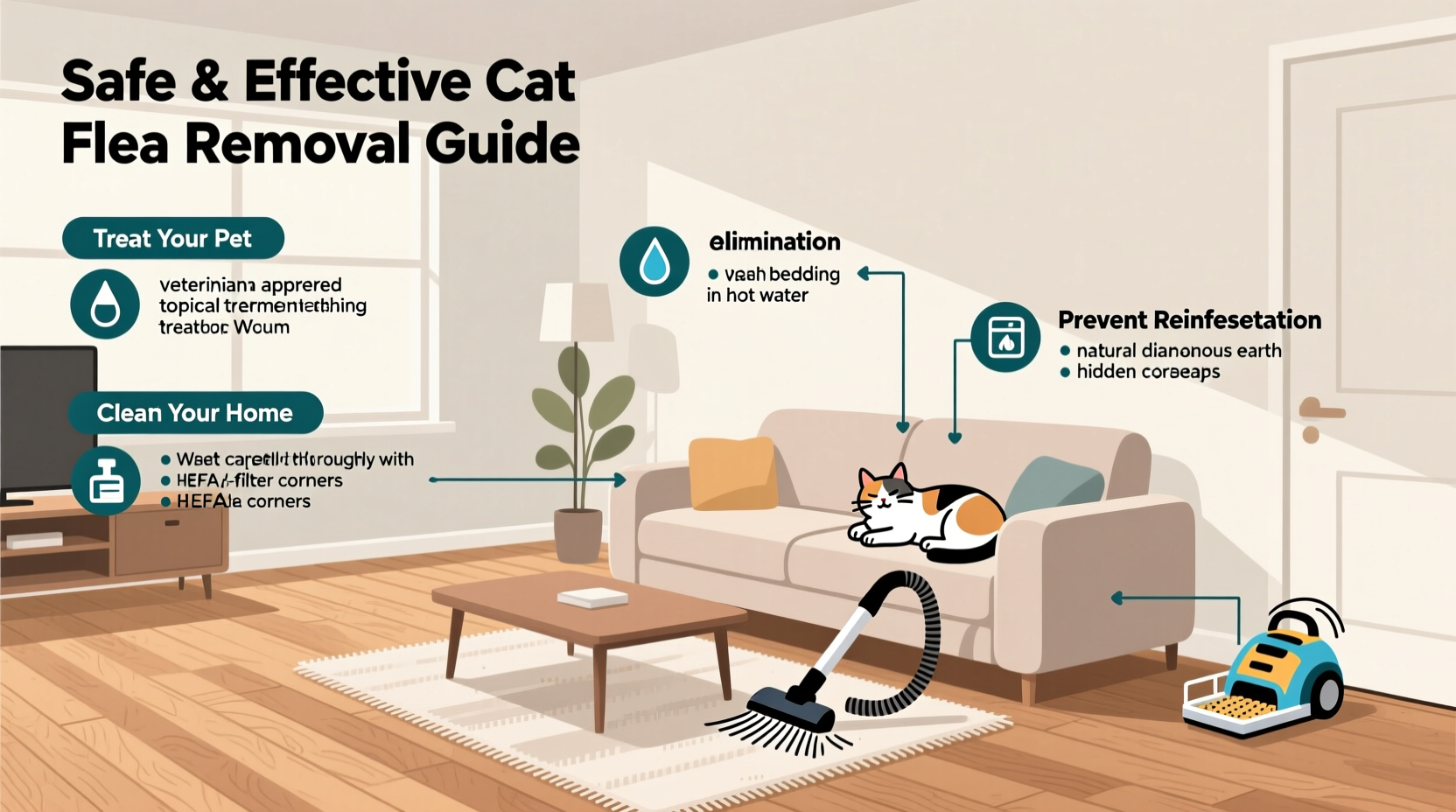
To defeat fleas, you must first understand them. The common cat flea (*Ctenocephalides felis*) thrives in warm, humid environments and completes its life cycle in four stages: egg, larva, pupa, and adult. A single female flea can lay up to 50 eggs per day, which fall off your pet into carpets, furniture, and floor cracks. These eggs hatch into larvae within 1–10 days, feeding on organic debris and dried blood. After several molts, larvae spin cocoons and enter the pupal stage, where they can remain dormant for months, resistant to most insecticides.
The key challenge lies in this resilience: adult fleas make up only about 5% of the total population in your home. The remaining 95%—eggs, larvae, and pupae—are hiding in your environment, waiting to emerge when conditions are right. This means that spot-on treatments alone won’t solve the problem. You need a coordinated attack on all fronts.
Tip: Vacuuming before applying any treatment increases effectiveness by stimulating pupae to emerge, making them vulnerable to insecticides.Step-by-Step Home Treatment Plan
Eradicating fleas requires a methodical approach over several weeks. Follow this timeline to disrupt every stage of the flea life cycle:
- Day 1: Treat Your Cat
Use a veterinarian-approved topical or oral flea medication. Products containing ingredients like fipronil, selamectin, or nitenpyram kill adult fleas quickly and prevent egg-laying. - Day 1 (After Pet Treatment): Deep Clean the Environment
Vacuum all carpets, rugs, upholstery, baseboards, and pet bedding. Pay special attention to dark, warm areas under furniture and along walls. Dispose of the vacuum bag or empty the canister immediately into a sealed outdoor trash bin. - Day 2: Apply Environmental Treatment
Use an indoor flea spray or fogger containing both an adulticide (to kill adults) and an Insect Growth Regulator (IGR) like methoprene or pyriproxyfen, which prevents eggs and larvae from maturing. - Days 3–7: Wash Bedding and Soft Furnishings
Wash all pet bedding, throws, and washable fabrics in hot water (at least 130°F) and dry on high heat. - Week 2–4: Repeat Vacuuming Daily
Vacuum every 48 hours to remove newly hatched larvae and stimulate pupae to emerge. Continue until no fleas are seen for at least two weeks. - Month 2: Monitor and Maintain
Continue monthly vet-approved flea prevention on your cat and occasional vacuuming to catch stragglers.
Safe and Effective Treatment Options
Not all flea treatments are created equal. Some contain harsh chemicals that pose risks to pets and humans. Prioritize products that target fleas without compromising safety.
| Treatment Type | Best For | Safety Notes | Effectiveness Timeline |
|---|---|---|---|
| Vet-prescribed oral meds (e.g., nitenpyram) | Killing adult fleas fast | Safe for cats when dosed correctly | Within 30 minutes |
| Insect Growth Regulators (IGRs) | Breaking life cycle | Non-toxic to mammals; ideal for homes with kids | Prevents development over 7–14 days |
| Diatomaceous earth (food-grade) | Natural carpet treatment | Non-toxic but avoid inhalation | Works over 3–7 days; dehydrates larvae |
| Steam cleaning carpets | Chemical-free option | Safe and effective with no residue | Kills eggs and larvae instantly |
| Chemical foggers | Whole-room coverage | Requires evacuation; use with caution | Immediate knockdown, residual effect up to 2 months |
“Fleas are survivors. The most effective strategy combines immediate adult kill with long-term environmental control using growth inhibitors.” — Dr. Laura Huang, DVM, Parasitology Specialist
Common Mistakes That Delay Elimination
Even well-intentioned efforts can fail due to oversights. Avoid these frequent errors:
- Only treating the pet: Without environmental treatment, new fleas will continue to emerge and reinfest your cat.
- Skipping vacuuming: Vacuuming removes up to 90% of flea eggs and stimulates pupae to hatch, making them susceptible to treatment.
- Using dog flea products on cats: Many dog treatments contain permethrin, which is highly toxic to cats.
- Stopping too soon: Flea pupae can remain dormant for up to 12 months. Premature discontinuation leads to resurgence.
- Over-relying on natural remedies alone: While diatomaceous earth and essential oils have some effect, they rarely provide complete control in heavy infestations.
Mini Case Study: The Johnson Family’s Flea Breakthrough
The Johnsons noticed their cat, Luna, scratching incessantly. At first, they applied an over-the-counter topical treatment, but within days, fleas were visible on the sofa and even jumping onto family members. They consulted their vet, who recommended a dual approach: oral medication for Luna and a fogger containing an IGR for the home.
They followed the step-by-step plan: vacuumed daily, washed all bedding, and treated every room. They repeated the fogger after two weeks to catch newly emerged fleas from pupae. Within three weeks, scratching stopped, and no fleas were seen. By month three, with continued monthly prevention, their home was flea-free. Their success came not from a miracle product, but from consistent execution of a comprehensive strategy.
Essential Checklist for Complete Flea Elimination
Use this checklist to ensure no step is missed during your flea treatment process:
- ☐ Administer vet-approved flea treatment to all pets
- ☐ Vacuum all floors, furniture, and car interiors
- ☐ Dispose of vacuum contents in sealed outdoor trash
- ☐ Wash all pet bedding in hot water
- ☐ Apply indoor flea spray or fogger with IGR
- ☐ Re-vacuum every 2–3 days for at least two weeks
- ☐ Steam clean carpets if possible
- ☐ Treat outdoor areas where pets spend time (e.g., shaded patios)
- ☐ Continue monthly preventative treatment on pets year-round
- ☐ Inspect for signs of reinfestation weekly
Frequently Asked Questions
Can fleas live in my bed even if my cat doesn’t sleep there?
Yes. Flea eggs are microscopic and can fall onto sheets or mattresses from clothing or pet contact. While adult fleas prefer animal hosts, they may bite humans if no pet is available. Regular laundering and vacuuming reduce this risk.
Are natural remedies like vinegar or essential oils effective against fleas?
Limited evidence supports their use. Vinegar may repel fleas temporarily but doesn’t kill them. Essential oils like eucalyptus or tea tree can be toxic to cats. Relying solely on natural methods often results in incomplete control.
How long does it take to completely get rid of fleas?
With proper treatment, most homes see significant improvement within 2–3 weeks. However, complete elimination can take up to 3 months due to the emergence of pupae. Consistency is critical.
Final Steps Toward a Flea-Free Home
Eliminating cat fleas from your home isn’t a one-time event—it’s a process rooted in understanding, persistence, and smart action. By combining pet treatment with thorough environmental management, you dismantle the entire flea life cycle. Choose safe, proven methods over quick fixes, and commit to the full timeline. Fleas thrive on inconsistency, so your diligence is your greatest weapon.
💬 Have you successfully eliminated fleas from your home? Share your experience or questions below—your story could help another pet owner win their battle too.








