
Fleas are more than just a nuisance—they can cause intense itching, allergic reactions, anemia, and even transmit diseases like tapeworms. While conventional flea treatments often rely on strong pesticides, many pet owners are turning toward safer, natural alternatives. The good news is that with the right approach, you can eliminate fleas from your dog and home without exposing your pet to harmful chemicals.
Natural doesn’t always mean less effective. In fact, many plant-based solutions and preventive habits can outperform synthetic options in both safety and long-term results. This guide explores science-backed, holistic strategies to manage and prevent flea infestations while prioritizing your dog’s health and comfort.
Understanding the Flea Life Cycle
To treat fleas effectively, it's essential to understand their life cycle. Fleas go through four stages: egg, larva, pupa, and adult. Adult fleas make up only about 5% of an infestation—the rest exist in the environment as eggs, larvae, and pupae. This means that treating your dog alone isn't enough; you must also address the spaces they frequent.
Eggs fall off your dog onto carpets, furniture, and bedding. Larvae hatch within days and feed on organic debris before spinning cocoons. Pupae can remain dormant for months, emerging when they sense vibrations, heat, or carbon dioxide—like when your dog walks by. Breaking this cycle requires persistence and a multi-pronged strategy.
“Effective flea control isn’t just about killing adults—it’s about disrupting the entire life cycle.” — Dr. Karen Becker, Integrative Veterinarian
Natural Topical Treatments That Work
Several natural substances have been shown to repel or kill fleas without toxic side effects. These can be applied directly to your dog’s coat or used in sprays and rinses.
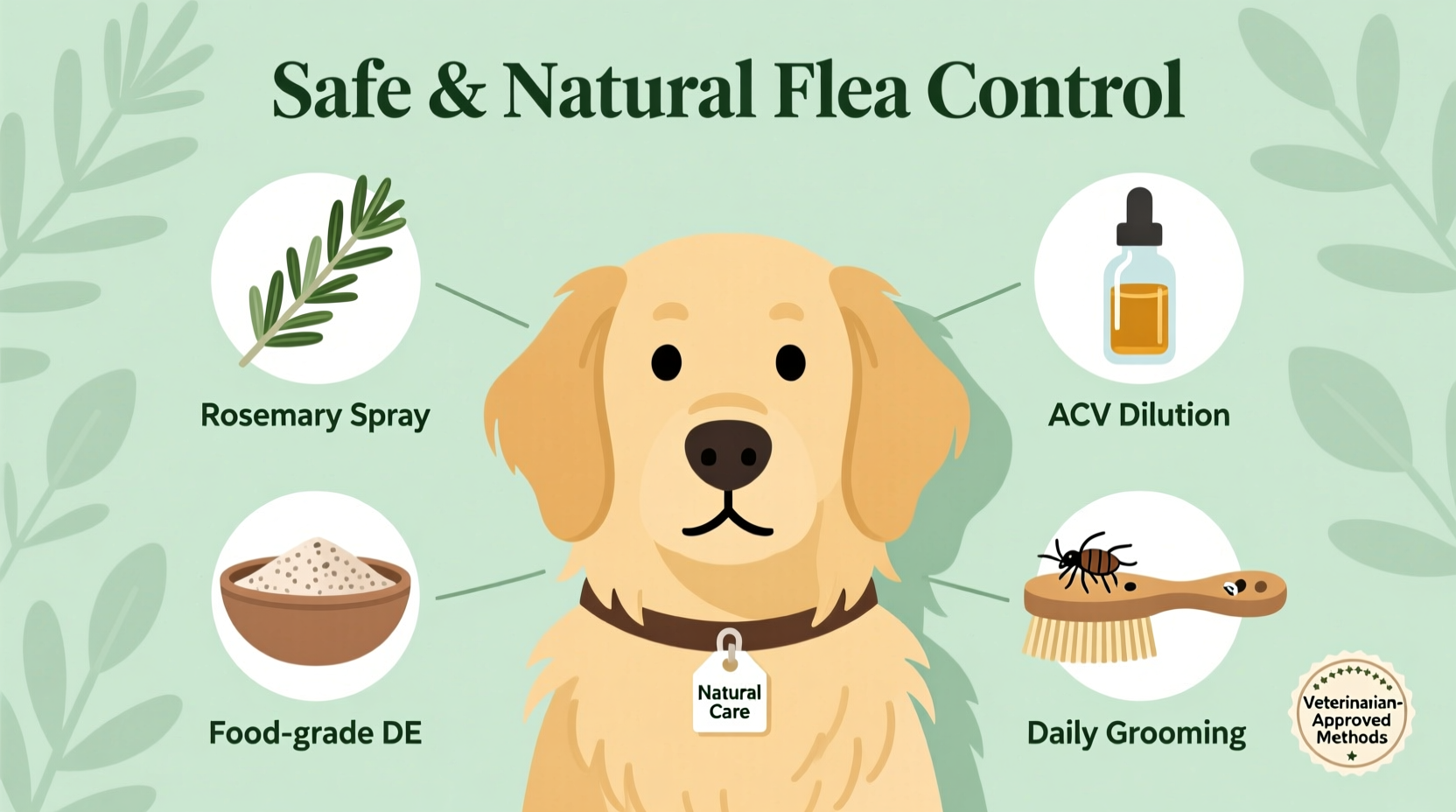
- Apple cider vinegar (ACV): Fleas dislike the smell and taste of ACV. Mix equal parts water and raw, unfiltered apple cider vinegar in a spray bottle and lightly mist your dog’s coat (avoiding eyes and open wounds). Do this once daily during active infestations.
- Citrus sprays: Boil lemon or orange slices in water for 30 minutes, let cool, and pour into a spray bottle. Apply to your dog’s fur after brushing, focusing on areas fleas love—base of tail, behind ears, under legs.
- Coconut oil: Contains lauric acid, which has insect-repelling properties. Rub a small amount into your dog’s coat or add a teaspoon to their food (depending on size) to improve skin health and deter pests.
- Diatomaceous earth (food-grade): A fine powder made from fossilized algae. It dehydrates fleas on contact. Dust it lightly on your dog’s coat (avoiding face), and apply to carpets and baseboards. Vacuum thoroughly after 24–48 hours.
Step-by-Step Home Treatment Plan
Eliminating fleas requires consistent action over several weeks. Follow this timeline to break the infestation cycle:
- Day 1: Bathe your dog with a gentle, natural flea shampoo containing neem or tea tree oil. Comb thoroughly with a fine-tooth flea comb.
- Days 1–7: Spray your dog daily with ACV or citrus solution. Reapply diatomaceous earth if needed.
- Day 2: Wash all bedding in hot water. Vacuum carpets, rugs, and furniture daily. Dispose of vacuum contents in sealed bags outside.
- Day 3: Treat your yard if your dog goes outdoors. Sprinkle food-grade diatomaceous earth or nematodes (beneficial microbes that eat flea larvae) in shaded, moist areas.
- Week 2–4: Continue daily combing and weekly bathing. Monitor for signs of improvement—reduced scratching, fewer fleas on comb.
- Week 5–6: Maintain preventive measures. Rotate natural sprays and consider herbal collars with cedarwood or lavender.
Preventive Care and Environmental Control
Prevention is far easier than treatment. Once fleas are gone, maintain a flea-resistant environment with these practices:
| Do | Don’t |
|---|---|
| Vacuum frequently (2–3 times per week) | Use chemical-laden carpet powders |
| Wash pet bedding weekly in hot water | Allow pets on untreated upholstered furniture |
| Feed a high-quality diet to support skin health | Overuse essential oils (can be toxic if misused) |
| Use natural repellents like rosemary or lemongrass | Ignore early signs of scratching or biting |
A healthy immune system makes dogs less attractive to fleas. Omega-3 fatty acids, probiotics, and a balanced diet rich in whole foods can strengthen your dog’s natural defenses.
Mini Case Study: Bella the Beagle
Bella, a 3-year-old beagle, developed severe itching every summer. Her owner, Sarah, had tried multiple chemical spot-ons, but Bella experienced lethargy and dry skin afterward. Concerned about long-term effects, Sarah switched to a natural protocol.
She started by bathing Bella with a neem-based shampoo and spraying her coat with diluted apple cider vinegar. She washed all bedding weekly and treated the living room carpet with food-grade diatomaceous earth. Outdoors, she introduced beneficial nematodes to her backyard.
Within three weeks, Bella’s scratching decreased significantly. By week six, no fleas were found during combing. Sarah now uses a monthly rosemary rinse and maintains regular cleaning—a routine that keeps Bella comfortable and flea-free.
Common Myths About Natural Flea Control
Despite growing interest in natural care, misconceptions persist:
- Myth: Natural means completely ineffective.
Truth: Many botanicals like neem, citronella, and eucalyptus have documented insecticidal properties. - Myth: Essential oils are always safe.
Truth: Some oils (e.g., tea tree, pennyroyal) can be toxic to dogs even in small amounts. Always dilute properly and consult a vet. - Myth: One treatment is enough.
Truth: Flea pupae can remain dormant for months. Consistency is key.
Frequently Asked Questions
Can I use baking soda to kill fleas?
Baking soda is often recommended, but there’s no scientific evidence it kills fleas. It may help deodorize carpets when combined with salt, but it shouldn’t replace proven methods like diatomaceous earth or steam cleaning.
Are herbal flea collars effective?
Some herbal collars containing cedar, lavender, or lemongrass can repel fleas, but they’re not as potent as prescription treatments. Use them as a supplement, not a standalone solution.
How do I know if the infestation is gone?
Use a white towel or paper during daily brushing. Flick fleas onto it—if none appear after two weeks of consistent effort, the infestation is likely resolved. Continue preventive measures to avoid recurrence.
Checklist: Natural Flea Control Action Plan
- ☐ Bathe dog with natural flea shampoo
- ☐ Spray coat with ACV or citrus solution
- ☐ Comb daily with a flea comb
- ☐ Wash all bedding in hot water weekly
- ☐ Vacuum carpets and furniture 2–3 times per week
- ☐ Apply food-grade diatomaceous earth indoors and out
- ☐ Feed a nutrient-rich diet to support skin health
- ☐ Inspect dog regularly, especially after outdoor time
Conclusion
Treating fleas on your dog naturally is not only possible—it can be more sustainable and safer than relying on synthetic chemicals. By combining topical remedies, environmental management, and preventive habits, you can protect your pet without compromising their well-being.
The key is consistency and understanding that flea control is a process, not a one-time fix. Start today with simple steps like apple cider vinegar sprays and thorough vacuuming. Your dog will thank you with fewer scratches, brighter skin, and more energy.
💬 Have a natural flea remedy that worked for your dog? Share your experience in the comments and help other pet owners find safe, effective solutions!








